
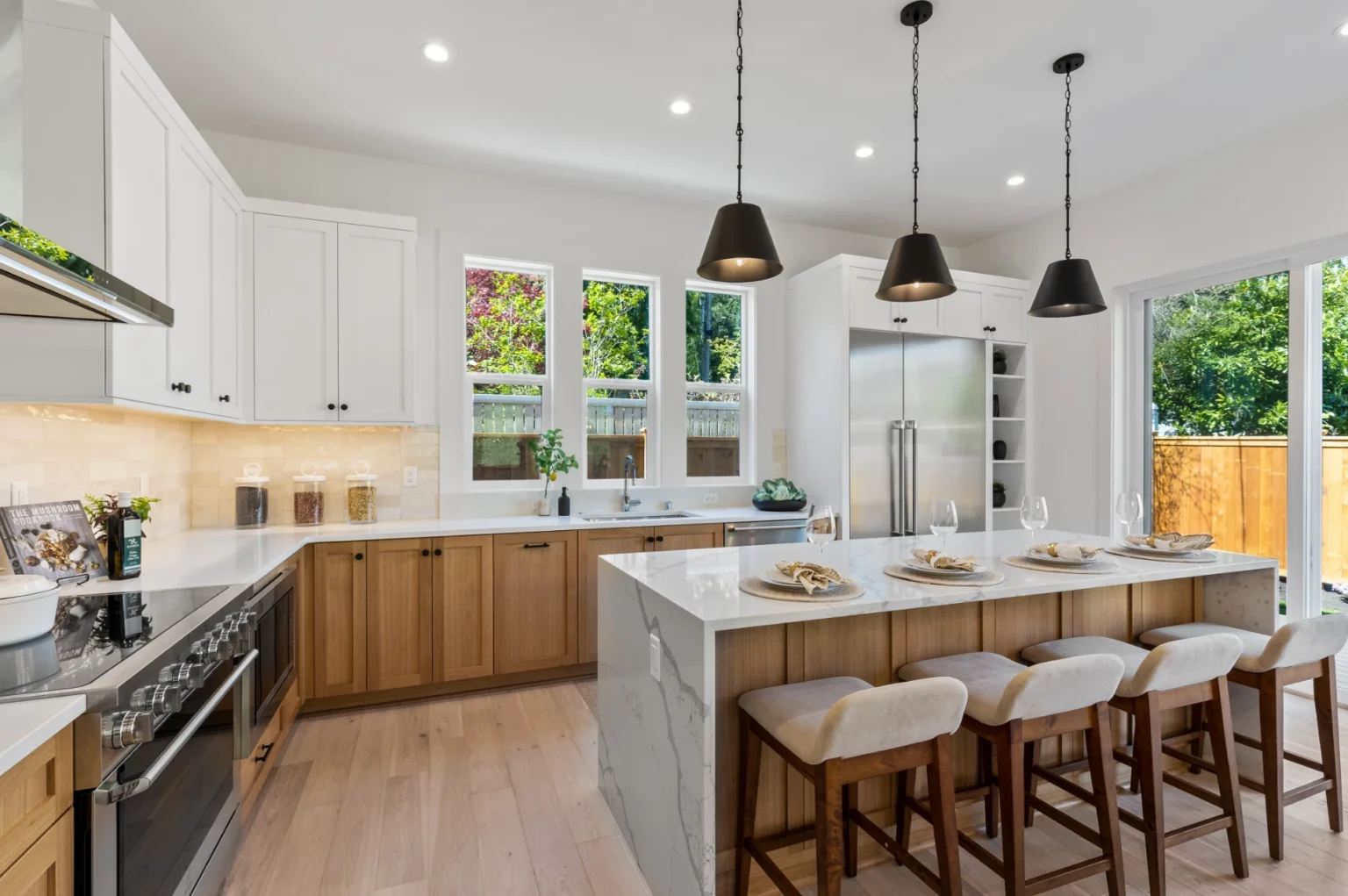
Cabinets are a central feature in kitchens, bathrooms, and other living spaces, and their appearance significantly impacts the overall aesthetic of a home or commercial property. Cabinet painting is a cost-effective way to rejuvenate cabinets, enhance interior design, and increase property value without the expense of full replacement. Whether updating an outdated look, matching new décor, or simply refreshing worn surfaces, professional cabinet painting delivers durable and visually appealing results that transform the space entirely.
Unlike standard wall painting, cabinet painting requires meticulous surface preparation, specialized techniques, and high-quality coatings to withstand daily wear and maintain a polished finish. Cabinets are frequently exposed to moisture, heat, grease, and heavy usage, making durability a key consideration. A properly executed cabinet painting project can extend the life of cabinets, provide a consistent and professional appearance, and deliver a finish that complements the surrounding design elements.
Why Cabinet Painting is Important
Cabinet painting does more than improve aesthetics. It protects wooden and composite surfaces from damage caused by moisture, heat, and frequent handling. Over time, cabinets can develop scratches, stains, discoloration, and fading, especially in high-traffic areas such as kitchens. Professional cabinet painting restores the surface, seals imperfections, and provides a protective barrier against daily wear, ensuring cabinets remain functional and attractive for years.
In addition, painted cabinets can completely transform the look and feel of a space, making it appear brighter, more modern, and cohesive with existing décor. Unlike replacement, which is often costly and time-consuming, painting provides a budget-friendly solution with quick turnaround while achieving dramatic visual improvements. The choice of colors, finishes, and techniques allows homeowners to personalize their space and achieve a professional, high-quality appearance without major renovation.
Types of Cabinet Painting Services
Cabinet painting can involve various services and techniques depending on the material, condition, and desired finish. Understanding the options helps property owners choose the best approach for their needs.
Traditional Brush and Roller Painting
This classic method involves careful sanding, priming, and hand application of paint using brushes and rollers. While labor-intensive, it allows for precise control, ensuring smooth coverage in tight corners and intricate detailing. Traditional painting is suitable for solid wood cabinets and areas where a handcrafted finish is preferred.
Spray Painting
Spray painting delivers a fast, uniform, and smooth finish, often preferred for larger projects or cabinets with complex designs. Using professional-grade sprayers, painters can achieve a flawless surface without brush marks, providing a modern and consistent appearance. Spray painting is particularly effective for flat-panel and shaker-style cabinets, offering professional-grade results in less time than traditional methods.
Lacquer and Enamel Coatings
Specialty finishes such as lacquer or enamel provide enhanced durability and gloss, creating a premium look for cabinets. These coatings are resistant to moisture, heat, and wear, making them ideal for kitchens, bathrooms, and other high-use areas. Professional painters select the appropriate coating based on cabinet material, usage patterns, and desired finish to ensure long-lasting results.
Custom Finishes
For those seeking a unique aesthetic, custom finishes such as distressed, glazed, or two-tone painting add character and style to cabinets. These techniques require skill and experience to execute correctly, as they involve layering, texturing, and precision application to achieve a professional look. Custom finishes allow homeowners and designers to create a one-of-a-kind appearance that elevates the overall interior design.
Benefits of Professional Cabinet Painting
Hiring professional painters for cabinet painting projects offers significant advantages over DIY approaches.
High-Quality Finish
Professional painters bring experience, skill, and access to superior materials, resulting in smooth, even finishes that are difficult to achieve with DIY methods. The use of proper primers, sanding techniques, and application tools ensures a professional-grade appearance that enhances the overall value of the property.
Durability and Longevity
Cabinets endure daily wear from opening, closing, and exposure to moisture and heat. Professional painting provides a durable finish that resists scratches, chips, stains, and discoloration, extending the lifespan of cabinets and reducing the need for frequent touch-ups or repairs.
Time Efficiency
Painting cabinets requires careful preparation, application, and drying time. Professionals efficiently manage these steps, completing projects faster than an untrained individual while maintaining consistent quality. This efficiency is particularly beneficial for homeowners and businesses that wish to minimize disruption.
Cost-Effective Solution
Cabinet painting is significantly more affordable than full cabinet replacement while providing similar aesthetic improvements. By revitalizing existing cabinets, property owners can achieve a modern, refreshed look without incurring the high costs associated with new cabinetry.
Customization and Expert Guidance
Professional painters provide expert advice on color selection, finish types, and painting techniques. Their guidance ensures that the final result aligns with the property’s style, durability requirements, and overall design vision, creating a cohesive and visually appealing outcome.
Steps in Professional Cabinet Painting
Professional cabinet painting involves a systematic process to ensure optimal results.
Surface Preparation
Preparation is the foundation of a successful painting project. Cabinets are cleaned to remove grease, dirt, and residues, followed by sanding to smooth surfaces and promote paint adhesion. Holes, scratches, and imperfections are filled and leveled to create a flawless base. Proper preparation prevents peeling, bubbling, and uneven coverage, which can compromise the durability and appearance of the finish.
Priming
Applying a high-quality primer ensures that the paint adheres properly and provides uniform coverage. Priming also enhances durability, prevents stains from bleeding through, and creates a smooth surface for subsequent paint layers. Professionals select primers based on cabinet material, surface condition, and desired finish.
Painting
Paint is applied using brushes, rollers, or spray equipment, depending on the cabinet style, material, and finish requirements. Multiple thin coats are often applied to achieve a smooth, even finish without streaks or drips. Special attention is given to corners, edges, and detailed areas to ensure complete coverage and a professional appearance.
Drying and Curing
Proper drying and curing are essential for durability. Cabinets are allowed to dry thoroughly between coats, and final curing ensures that the paint fully hardens, resisting scratches, chips, and moisture exposure. Professionals carefully manage this process to achieve long-lasting results that maintain their appearance under regular use.
Finishing Touches
Handles, hinges, and hardware may be reinstalled or upgraded after painting. Any minor touch-ups or adjustments are completed to ensure a flawless, polished appearance. Professionals may also apply protective topcoats or sealants to further enhance durability and maintain the finish over time.
Maintenance Tips for Painted Cabinets
Maintaining painted cabinets is critical for preserving their appearance and longevity. Regular cleaning with gentle, non-abrasive solutions prevents dirt, grease, and stains from damaging the finish. Avoiding harsh chemicals, scouring pads, or excessive moisture prolongs the life of the paint. Periodic inspections for chips, scratches, or wear allow for timely touch-ups, preventing minor damage from spreading and maintaining a consistent, professional look. With proper care, painted cabinets can retain their fresh, high-quality appearance for years.
Common Challenges in Cabinet Painting
Cabinet painting, while highly effective, presents challenges that require experience and skill to overcome. Achieving a smooth finish on intricate or detailed cabinetry can be difficult without proper tools and techniques. Moisture, heat, and frequent usage increase the risk of wear and damage if the correct coatings and preparation are not used. Additionally, improper surface preparation, poor paint selection, or rushed application can result in peeling, bubbling, or uneven coverage. Professional painters are trained to address these challenges, ensuring a durable, flawless, and aesthetically pleasing finish.
Conclusion
Cabinet painting is a practical, cost-effective, and transformative solution for revitalizing kitchens, bathrooms, and other interior spaces. Beyond aesthetics, professional cabinet painting protects surfaces from daily wear, moisture, and heat while providing a durable, long-lasting finish. Various techniques, including traditional brush painting, spray application, specialty coatings, and custom finishes, allow homeowners and businesses to achieve professional-grade results tailored to their style and functional requirements.
By engaging skilled painters, following proper preparation, and using high-quality materials, property owners can enjoy beautiful, refreshed cabinets that enhance the overall design of their space. With proper maintenance and care, painted cabinets provide years of durability, aesthetic appeal, and functional value, making cabinet painting an essential investment for anyone looking to upgrade their interior environment efficiently and effectively.
