
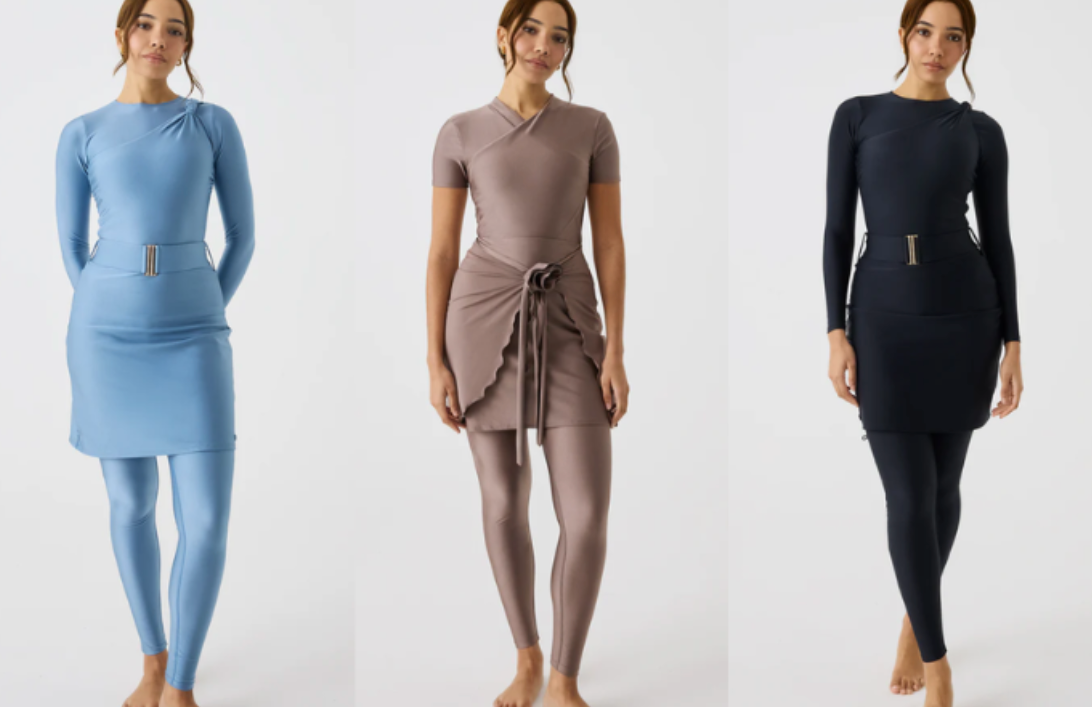
Swimwear decisions influence more than seasonal sales. For retailers and decision-makers, selecting designs that truly combine style and fit determines customer satisfaction, repeat purchases, and long-term brand credibility. Modern consumers no longer accept swimwear that looks appealing but fails in comfort or structure.
Choosing women’s swimwear that blends style and fit requires careful evaluation of construction, fabric, proportion, and performance. Each design element must serve a purpose. When visual appeal aligns with technical precision, swimwear becomes both fashionable and functional.
1. Begin With Structural Design, Not Surface Trends
The process starts with structure. Before analyzing colors or patterns, examine how the garment is engineered. A well-constructed swimsuit supports natural shape and maintains alignment during movement.
For example, collections such as modest swimwear in the UK reflect how coverage and clean tailoring can coexist with refined silhouettes. Instead of relying on excess material, thoughtful paneling and balanced cuts create definition without bulk.
When structure is prioritized first, style becomes more intentional. This approach ensures the garment enhances the body rather than overwhelming it.
2. Choose the Right Size With Performance in Mind
Accurate sizing plays a critical role in achieving the right balance. Experts recommend selecting a fit that feels snug but not restrictive while dry. Most swim fabrics expand slightly when wet, so a loose fit at the start may lose shape in the water.
Straps should rest firmly on the shoulders without digging in. The torso should feel supported without pulling. Waistbands and seams should remain flat against the skin.
A precise fit preserves both appearance and comfort. Without correct sizing, even the most stylish piece fails to perform.
3. Look for Integrated Support Features
Support must feel natural, not added as an afterthought. Built-in shelf bras, reinforced linings, and adjustable straps enhance stability while maintaining a streamlined look.
Wide straps distribute weight evenly and prevent strain. Secure closures reduce shifting during swimming or walking. Hidden support panels improve silhouette definition without visible bulk.
When support elements blend seamlessly into the design, the swimsuit appears elegant while delivering practical performance.
Moving From Aesthetic Appeal to Functional Confidence
A swimsuit may look impressive on display, yet real value appears during wear. The transition from appearance to function is where style and fit either align or separate.
Decision-makers should evaluate how garments respond to motion, water exposure, and repeated use. This shift in perspective ensures collections are built for reliability, not only visual impact.
4. Evaluate Fabric Strength and Stretch Recovery
Fabric determines how long style and fit remain intact. High-quality materials with four-way stretch allow flexibility while maintaining shape. Inferior fabrics may sag, fade, or lose elasticity over time.
Chlorine-resistant blends protect against pool damage. Quick-drying textiles prevent heaviness after swimming. Smooth compression fabrics provide gentle shaping without restricting movement.
Premium options such as modest swimming suits in the UK often demonstrate how durable fabric selection strengthens overall structure. When material performance aligns with design, the garment holds its form and refined appearance.
5. Assess Seam Placement and Tailoring Precision
Seam placement directly affects comfort and silhouette clarity. Poorly positioned seams cause pulling or twisting during activity. Clean seam lines create symmetry and support natural curves.
Flat seams reduce irritation and allow smoother movement. Strategic panel construction enhances body alignment without adding unnecessary layers.
Tailoring precision distinguishes structured swimwear from loosely assembled designs. When seams and panels are balanced, style and fit function together effortlessly.
6. Test Mobility Before Finalizing Selection
Movement testing is essential before making a final choice. A swimsuit should maintain coverage and alignment when walking, bending, stretching, or raising arms.
The garment should stay in place without constant adjustment. Straps should not slip. The torso should remain supported during motion.
Mobility confirms whether the piece performs beyond its initial appearance. True balance between style and fit becomes evident only through movement.
7. Select Modern Details That Reinforce Structure
Contemporary design elements add value when used with intention. Subtle color blocking, minimalistic cuts, and refined textures create a modern look without distracting from structure.
Neutral palettes and coordinated sets increase versatility. Clean lines improve visual flow. Decorative elements should enhance proportion rather than dominate it.
When fashion details strengthen construction instead of competing with it, confidence increases naturally.
When Fit Becomes the Competitive Advantage
Choosing women’s swimwear that combines style and fit requires attention to structure, fabric durability, and movement stability. When these elements work together, the result is a garment that maintains both visual appeal and reliable performance.
Some brands, such as Seafolly, emphasize trend-driven aesthetics, while others like Nike Swim focus heavily on sport performance. LYRA Modest integrates refined tailoring with contemporary design, creating a more balanced combination of structure and style.
For decision-makers, the strongest collections are those built with precision from the inside out. When fit leads the design process, style follows with confidence and consistency.
