
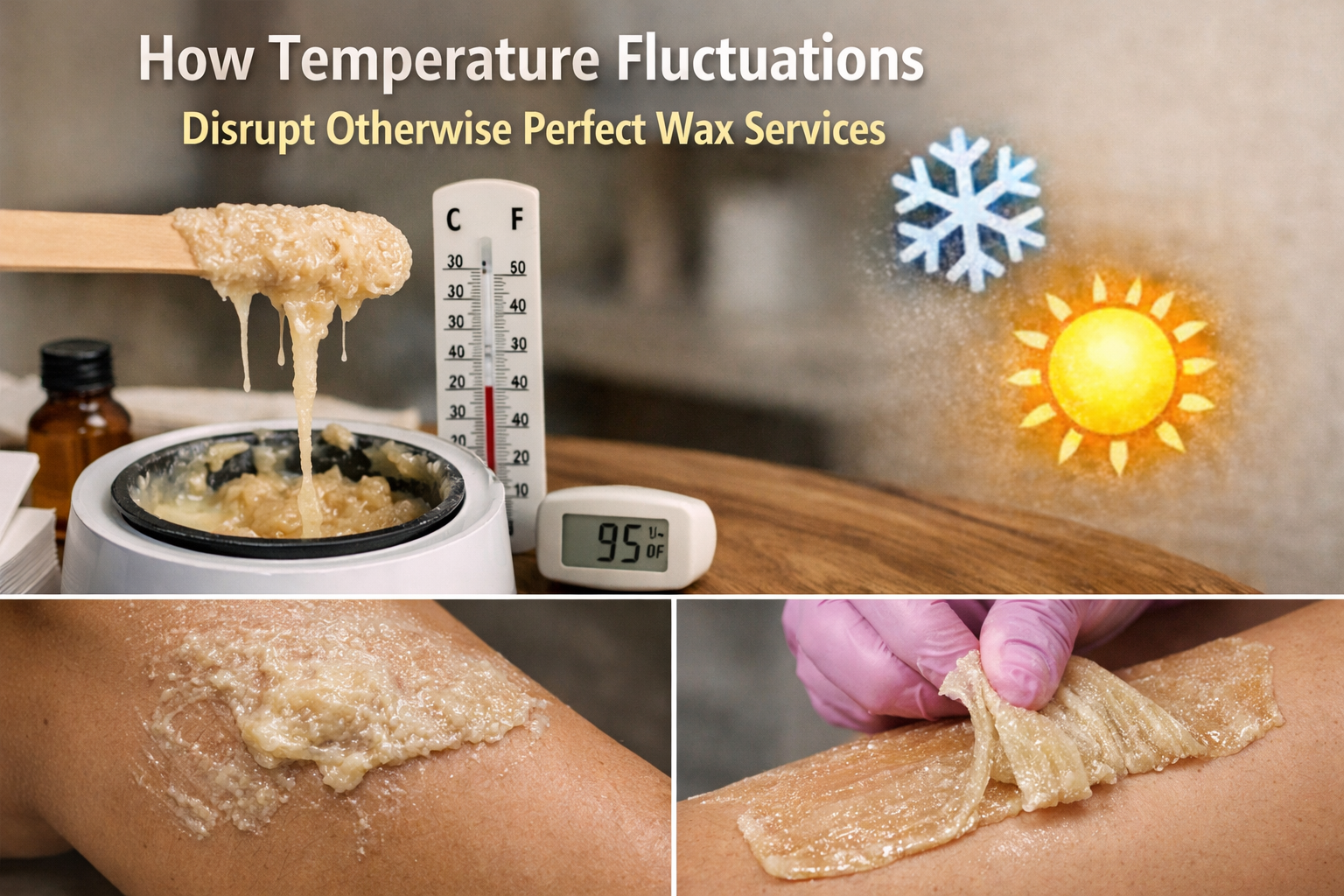
In a busy salon, waxing problems are often blamed on technique. In reality, many “off” services start with something simpler: unstable heat. When wax temperature shifts throughout the day, timing changes, texture changes, and results become less predictable.
Many professionals who use wax warmers know that consistency at the station is what protects both service quality and the schedule. ItalWax is often mentioned in professional circles because stable systems make it easier to keep performance steady when the calendar is packed.
Temperature issues rarely show up as one obvious failure. More often, they create small disruptions that add up across multiple appointments.

Why Small Temperature Shifts Create Big Problems
Wax is sensitive to heat. A small drop can make it thicker and harder to spread evenly, which slows application and increases the chance of uneven removal. A small rise can make it too fluid, which reduces control and can lead to thin layers that do not grip consistently.
The real challenge is that these changes often happen gradually. A warmer may hold steady early in the day, then drift as the pot level changes or as the room warms up. By the time the technician notices, service time has already started to creep upward. Temperature stability also affects client comfort. When wax behaves predictably, removal is cleaner and faster, which usually feels better for the client.
The Most Common Causes of Fluctuations
In many salons, fluctuations come from workflow habits rather than equipment failure. Busy schedules can push temperature checks to the background. Several patterns tend to trigger inconsistency:
- starting services before wax fully preheats;
- overfilling the warmer and slowing heat recovery;
- leaving one setting all day without checking texture;
- frequent lid opening that causes heat loss;
- big room temperature swings during the shift.
These issues often overlap. When they do, wax behavior becomes harder to predict, and technicians compensate with extra passes or slower pacing. Studios that track when problems occur usually find a clear connection to warmer routines.
How to Protect Consistency During Busy Hours
The simplest strategy is building quick checks into the day. A short texture review before peak blocks can prevent larger delays later. It also helps technicians adjust early rather than correcting problems mid-service.
Station setup matters too. Keeping the warmer in a stable spot away from drafts and constant movement can reduce heat variation. Monitoring pot fill level and allowing proper preheat time also improves consistency. Professional systems can support this effort because coordinated warmer and wax performance helps reduce variability. Predictable heating response makes it easier for teams to keep services running smoothly.
Conclusions
Temperature fluctuations disrupt otherwise great waxing services by changing how wax spreads, sets, and removes. Those small changes create more corrections, slower appointments, and less predictable client experience.
Salons that tighten warmer routines and standardize their setup often see faster services without sacrificing comfort. Investing in stable, professional-grade options such as ItalWax is a practical way to protect consistency when the schedule is full and there is no time for troubleshooting.
