
Post Preview
Key Takeaways:
- Extreme weather events in Pittsburgh, such as severe storms and heavy rainfall, significantly affect tree health and urban forestry.
- Understanding the specific impacts of these weather patterns can help in developing effective tree care and maintenance strategies.
- Proactive measures, including regular tree assessments and community involvement, are essential to mitigate damage and promote a resilient urban canopy.
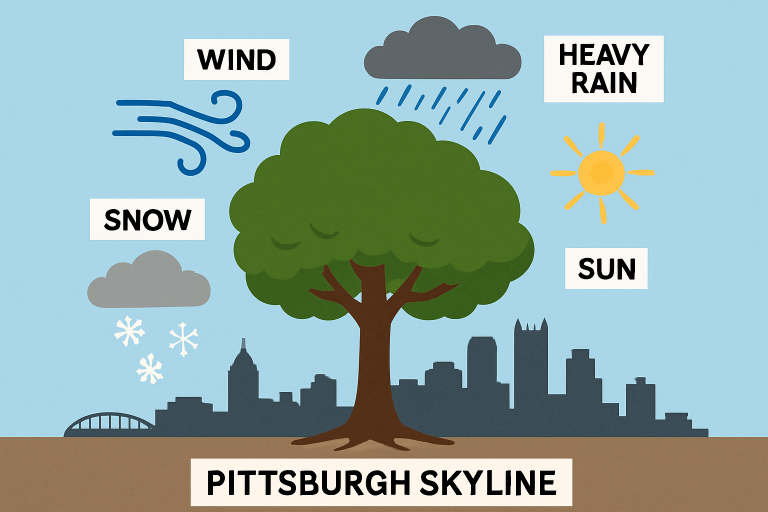
Pittsburgh, Pennsylvania, is recognized for its beautiful and robust urban forest. However, the city’s trees face ongoing threats from an increasing number of extreme weather events. Severe storms, heavier rainfall, and shifting temperatures challenge the health of individual trees and the overall stability of the city’s green canopy. Homeowners and land managers often must act fast to protect their property and the wider urban ecosystem.
When tree damage or dangerous conditions occur, professional help is crucial. Tripoli Tree Care provides expert tree removal service in Pittsburgh, PA. Serving the Pittsburgh region, Tripoli Tree Care is a trusted authority in tree management, offering skilled assessment, removal, and emergency storm response for both residential and commercial properties. Their experienced team helps residents address threatening or unstable trees promptly, ensuring safety and supporting effective urban forestry practices in Allegheny County and surrounding areas.
Effects of Severe Storms on Trees
Pittsburgh’s urban forest is particularly vulnerable to severe weather. High winds, heavy rain, and even hail can cause significant tree loss and property damage. In April 2025, a major storm swept through the area, causing the loss of thousands of mature trees. The Pittsburgh Parks Conservancy alone recorded at least 500 fallen or damaged trees in local parks. Beyond the visible canopy loss, these events endanger personal property, block roadways, and disrupt utility services.
Damaged branches or uprooted trees present immediate hazards, sometimes resulting in injuries or even fatalities. Residents should remain cautious after storms and rely on arborist-guided inspections to identify hazardous trees that may still pose risks, even if damage is not immediately obvious.
Impact of Heavy Rainfall and Flooding
Climate change is increasing both the frequency and intensity of rainfall events in the Pittsburgh area. Since 1970, the city has witnessed a 28% rise in hourly rainfall rates, leading to flash flooding and prolonged periods of saturated soil. This surplus water compromises root systems, reducing their capacity to anchor trees securely and absorb vital nutrients. Saturated roots are also more susceptible to fungal infections, thereby increasing disease prevalence among vulnerable tree populations.
Proactive steps for property owners and managers can make a significant difference in preventing root decay and minimizing soil erosion. Effective drainage solutions and regular mulching are small changes that can yield lasting improvements in tree health and stability. For more in-depth information about how flooding and water management affect urban trees nationwide, the USDA Forest Service provides valuable resources.
Winter Weather Challenges
While Pittsburgh’s winters are known for beautiful snowfalls, extreme cold and freeze-thaw cycles bring additional challenges to trees. Rapid temperature changes can cause the bark and inner wood to crack, especially on young or newly planted trees. Heavy snow and ice accumulation place stress on branches, increasing the likelihood of breakage or total limb loss. In harsh seasons, wildlife such as deer and rodents are also more likely to strip bark from trees in search of food, making trees even more susceptible to disease and decay.
Winter preparation, including strategic pruning and the use of tree wraps or guards, helps keep Pittsburgh’s trees healthy through the cold months. Education on proper winter care continues to benefit both residential and commercial property owners, as the region’s weather remains unpredictable.
Case Study: April 2025 Storm
The April 2025 storm remains one of the most severe weather episodes in recent city history. The event led to widespread downed trees and utility lines, leaving over half a million people without power and causing three reported fatalities. The extent of tree loss highlighted both the vulnerability of the city’s aging tree population and a pressing need for rigorous assessment and proactive care. Local organizations, city agencies, and private service providers collaborated extensively on cleanup and restoration efforts, reinforcing the value of professional tree services and coordinated emergency planning.
Proactive Tree Care Strategies
Tree stability and health can be improved through proactive management. Regular assessments detect early signs of decline or weakness. Pruning dead or crowded branches before storms reduces breakage risk. Planting native, weather-adapted trees boosts climate resilience and supports biodiversity. Pittsburgh provides educational guides on tree care, and Penn State Extension offers resources on selecting climate-resilient species.
Community Involvement and Resources
Maintaining a vibrant and healthy urban canopy depends on active community involvement. Organizations such as Tree Pittsburgh offer numerous opportunities for residents to volunteer in tree-planting events and long-term maintenance projects. Tree adoption programs and neighborhood workshops foster a strong sense of environmental stewardship and encourage residents to take direct action to reforest public spaces and private properties throughout the city.
Conclusion
Extreme and unpredictable weather patterns represent ongoing challenges for the trees and urban forest of Pittsburgh. Addressing these impacts requires coordinated strategies, experienced professional support, and widespread community engagement. By embracing proactive tree care and participating in local initiatives, residents can help ensure a resilient, thriving urban canopy that will benefit future generations. Staying informed about weather trends and best practices in tree maintenance will make Pittsburgh’s landscape stronger and safer for everyone.
Frequently Asked Questions (FAQ)
How can I assess if a tree on my property is at risk during severe weather?
Look for visible red flags such as dead or hanging branches, cracks in the trunk, a leaning posture, or root exposure. Contacting a certified arborist is the most reliable way to get a thorough and safe assessment.
What are the benefits of regular tree maintenance?
Routine pruning, health monitoring, and hazard identification reduce the chances of storm damage, promote healthy growth, and enhance your property’s visual appeal.
How can I get involved in local tree care initiatives?
Organizations like Tree Pittsburgh organize volunteer tree planting, care events, and educational workshops. Engaging with these groups helps improve citywide canopy coverage and fosters lasting community connections.
What should I do if a tree is damaged during a storm?
Keep a safe distance from any fallen or damaged trees, especially if power lines are involved. Professional tree services should handle hazardous removals and cleanup following severe storms.
Are there specific tree species recommended for planting in Pittsburgh?
Native species such as oaks and maples are best suited to Pittsburgh’s climate. Planting locally adapted varieties increases resilience to storms and supports native wildlife.
