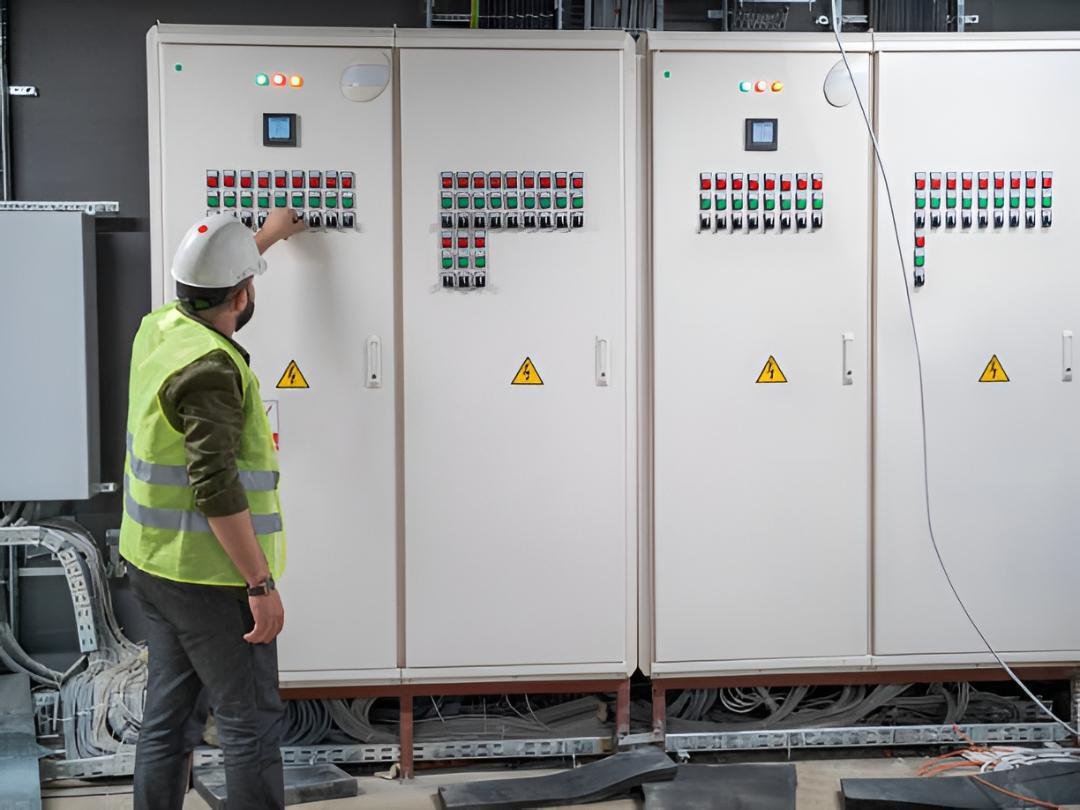
Modern industries depend heavily on electrical systems. Whether it is automation, renewable energy, manufacturing plants, telecommunications, or smart infrastructure, almost every operation relies on sensitive electrical equipment working smoothly and safely. While companies often invest in advanced technologies, one essential component silently protects these systems behind the scenes — electrical enclosures.
Electrical enclosures are not just protective boxes; they are engineered solutions designed to ensure safety, improve efficiency, and extend the life of expensive electrical components. As industries become more specialized, standard products are no longer enough. Businesses today require solutions built around their specific needs, which is why working with a trusted Custom Electrical Enclosures Supplier has become more important than ever.
The Important Role of Electrical Enclosures
Electrical enclosures serve two major purposes. First, they protect electrical components from environmental conditions such as dust, moisture, chemicals, and temperature changes. Second, they protect workers from accidental contact with electrical parts.
Without reliable enclosure systems, organizations can face serious challenges such as:
· Equipment failure caused by environmental exposure
· Increased safety risks for employees
· Higher maintenance expenses
· Unexpected downtime
· Reduced productivity
A well-designed enclosure ensures that electrical systems remain safe and efficient even in demanding industrial environments.
Why Custom Solutions Are Becoming Essential
In the past, many companies relied on standard enclosure designs. However, modern industries operate in complex environments where every project has unique technical demands. For example, an enclosure used in a food processing plant differs greatly from one installed in an outdoor solar energy system.
Custom solutions allow businesses to match enclosure design with specific operational requirements. This includes:
· Special sizes and dimensions
· Specific mounting designs
· Advanced cooling or ventilation systems
· Corrosion-resistant materials
· Improved cable management
Customization not only improves performance but also saves time during installation because the design fits perfectly with the equipment.
Key Factors to Consider When Selecting Enclosures
Choosing the right electrical enclosure involves more than appearance or cost. Several critical factors influence performance and reliability.
Material Selection
Different materials serve different purposes. Stainless steel is often used for harsh environments due to its corrosion resistance, while aluminum provides lightweight durability. The right choice depends on where and how the enclosure will be used.
Environmental Protection
Electrical components must be protected from external elements. Protection ratings such as IP or NEMA help define resistance levels against dust, moisture, and impact. Selecting the right rating ensures long-term safety and functionality.
Heat Management
Electrical systems generate heat, and excessive heat can damage equipment. Modern enclosures often include ventilation systems, cooling fans, or airflow designs that maintain safe operating temperatures.
Accessibility and Maintenance
Maintenance becomes easier when enclosures are designed with technician-friendly features. Removable panels, organized layouts, and proper cable entries help reduce downtime and improve efficiency.
Future Expansion
Businesses grow and systems evolve. Enclosures designed with scalability in mind allow additional components to be added without complete redesigns.
The Value a Professional Supplier Provides
Choosing the right supplier is as important as selecting the enclosure itself. A professional supplier does more than manufacture products; they provide technical expertise, engineering support, and practical solutions.
Experienced suppliers can assist with:
· Design consultation
· Prototype development
· Quality testing
· Custom fabrication
· Compliance with industry standards
Partnering with a reliable Custom Electrical Enclosures Supplier helps businesses avoid costly mistakes and ensures that every enclosure meets both safety and operational needs.
Industries That Depend on Custom Enclosures
Many industries benefit from customized electrical protection solutions. Here are some examples:
Manufacturing and Automation
Factories use control panels and automated systems that must be protected from dust, vibration, and industrial hazards. Custom enclosures keep systems organized and secure while supporting continuous production.
Renewable Energy Projects
Solar and wind installations often operate outdoors, exposed to extreme weather conditions. Durable and weather-resistant enclosures are essential for ensuring long-term energy production.
Telecommunications
Telecommunication systems require secure environments that maintain stable performance. Custom enclosures help protect networking equipment and improve reliability, especially in remote locations.
Oil, Gas, and Heavy Industry
Harsh working environments demand extra-strong materials and safety-focused designs. Custom enclosures help reduce risk while meeting strict regulations.
Infrastructure and Smart Systems
Traffic control units, power distribution systems, and urban infrastructure rely on enclosures that can perform consistently over many years.
Building Brand Trust Through Quality Engineering
When businesses look for long-term partners, reliability and quality become major deciding factors. Companies that offer high-quality enclosure solutions build trust because they help prevent operational problems and protect valuable investments.
Strong industrial brands are known for:
· Consistent product quality
· Technical innovation
· Reliable delivery schedules
· Excellent customer support
One such company recognized in the industry for delivering customized electrical solutions is Eabel.com, which focuses on providing designs tailored to real industrial requirements. Strong engineering capabilities and attention to detail help build confidence among clients working on complex projects.
Common Mistakes Businesses Should Avoid
Many companies focus only on price when selecting enclosure solutions, which can lead to problems later. Here are common mistakes to avoid:
· Choosing standard enclosures without analyzing real needs
· Ignoring future expansion plans
· Overlooking cooling and ventilation requirements
· Selecting materials unsuitable for the environment
· Working with suppliers who lack technical guidance
Avoiding these mistakes can significantly improve system lifespan and reduce maintenance costs.
Future Trends in Electrical Enclosure Design
Technology continues to advance, and electrical enclosures are evolving along with it. Modern designs now focus on efficiency, flexibility, and intelligent features.
Some trends shaping the future include:
· Smart monitoring systems integrated into enclosures
· Energy-efficient thermal management
· Modular and scalable designs
· Lightweight yet durable materials
· Improved protective coatings for extreme conditions
As industries move toward automation and smart technologies, the importance of well-designed enclosures will only continue to grow.
Final Thoughts
Electrical systems are critical to modern business operations, and protecting them is essential for long-term success. Custom electrical enclosures help companies improve safety, extend equipment lifespan, and ensure reliable performance in challenging environments.
By choosing customized solutions and working with experienced suppliers, businesses can reduce risks, improve efficiency, and support future growth. In an increasingly competitive industrial landscape, investing in proper protection is not just a technical decision — it is a strategic one.
