
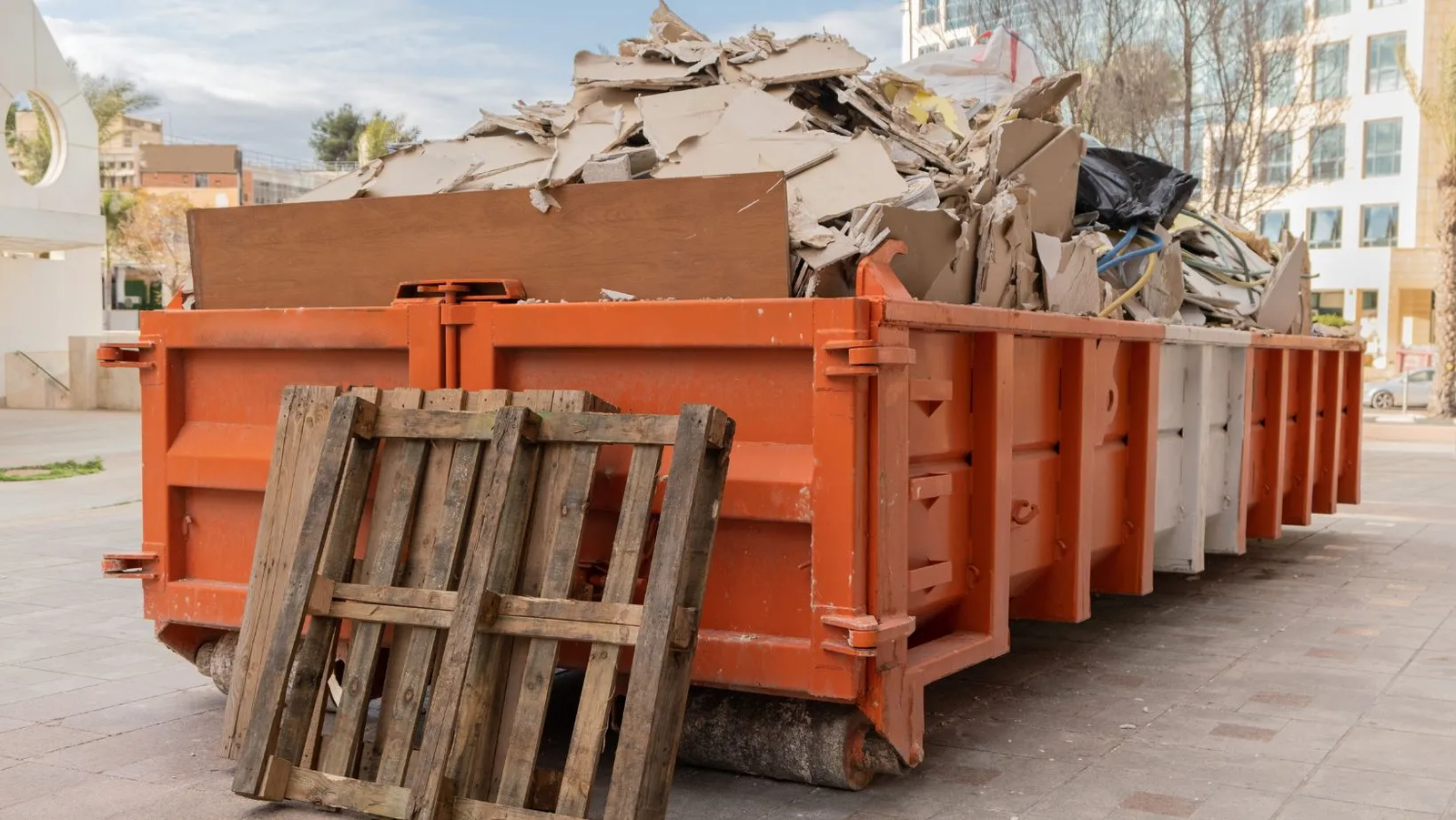
Effective waste management is an essential part of maintaining a safe, organized, and environmentally responsible space. From construction sites to residential properties, managing large volumes of debris requires practical solutions that combine efficiency, safety, and sustainability. Among the most versatile tools for handling significant waste is the roll off dumpster, a mobile, robust container designed to simplify the process of collecting, containing, and removing debris. These dumpsters have become indispensable for homeowners, contractors, and businesses who need a streamlined approach to managing waste without repeated trips to landfills or cluttered sites. Understanding the functionality, applications, and best practices associated with a roll off dumpster can drastically improve the efficiency of any project while promoting safe and responsible disposal methods.
Understanding a Roll Off Dumpster and Its Importance in Waste Management
A roll off dumpster is a large, open-top container used temporarily at sites that produce a substantial amount of waste. Unlike permanent dumpsters, these containers are mobile and can be delivered directly to a property, making them highly convenient for projects of varying sizes. Roll off dumpsters are capable of handling a wide range of materials, from everyday household trash to construction debris, yard waste, and bulky items such as furniture or appliances. They typically range from 10 to 40 cubic yards, allowing disposal of small to extremely large volumes of waste.
The essential value of a roll off dumpster lies in its ability to centralize waste collection, enhancing both efficiency and safety. On construction sites, scattered debris creates hazards, delays, and inefficiencies. By providing a dedicated container on-site, materials can be disposed of in an organized manner, reducing the risk of accidents and helping teams stay productive. Homeowners conducting renovations or large cleanouts also benefit from having a roll off dumpster, as it consolidates waste in one location and eliminates repeated trips to disposal facilities while preventing clutter from building up.
Key Considerations When Selecting a Roll Off Dumpster
Selecting the appropriate roll off dumpster for a project requires careful evaluation of several factors. First, the type of waste matters because different materials have specific disposal requirements, and some dumpsters are designed to handle certain categories more efficiently. Construction debris such as concrete, wood, and drywall is heavier and bulkier than household waste, so choosing a container that can manage the weight is crucial. Yard waste or mixed debris may require different approaches to maximize efficiency.
Size is the next important consideration. Estimating the volume of waste ensures that the dumpster is neither overfilled nor underutilized. Overfilling can create unsafe conditions and incur extra fees, while oversized containers may increase costs unnecessarily. Proper assessment of the expected waste volume helps determine the right container size to meet project needs.
Delivery logistics should also be considered. The site must have enough space for safe placement, taking into account narrow driveways, restricted access points, or weight limits on certain surfaces. Planning the delivery and placement of the roll off dumpster ahead of time ensures smooth operations and prevents property damage. Additionally, it is important to check whether permits are required for placing the dumpster on public property, as regulations can vary depending on local authorities.
The Benefits of Using a Roll Off Dumpster
Convenience and Time Efficiency
A major advantage of a roll off dumpster is the convenience it offers for any cleanup or construction project. Rather than making multiple trips to landfills or relying on small trash bins, all waste can be deposited in a single, centralized container. This significantly reduces time and effort while allowing homeowners, contractors, and business owners to focus on completing their projects efficiently. Having a dumpster on-site eliminates interruptions caused by managing waste and ensures professional, streamlined disposal.
Safety and Organization
Safety is another critical benefit. Construction sites, renovations, and large-scale cleanouts can be hazardous when debris is left scattered, as loose materials increase the risk of trips, falls, and injuries. Using a roll off dumpster keeps waste contained, minimizing accidents and supporting a safer work environment. Organized disposal also improves overall project efficiency, as workers spend less time navigating clutter and more time focusing on essential tasks.
Environmental Responsibility
Roll off dumpsters also support sustainable waste management practices. Many providers ensure that collected materials are sorted and recycled whenever possible, reducing the environmental impact and landfill contributions. Metals, cardboard, and certain plastics can often be separated and processed for reuse, aligning cleanup projects with eco-conscious practices and demonstrating responsible disposal methods.
Cost-Effectiveness
Although renting a roll off dumpster may initially seem like an added expense, it often saves money in the long run. Consolidating waste in one container reduces labor, transportation, and potential fines for improper disposal. The efficiency gained from having centralized waste management also allows projects to progress faster, which can lower overall labor costs. Avoiding repeated trips to the landfill and maintaining an organized workspace further contribute to overall cost savings, making the roll off dumpster a practical and economical solution.
Proper Usage Guidelines for a Roll Off Dumpster
To maximize the benefits of a roll off dumpster, it is important to follow proper usage practices. First, weight restrictions must be respected, as overloading can create unsafe conditions during transport and result in extra fees. Distributing weight evenly within the container helps maintain stability and prevent tipping.
Material restrictions should also be observed. Hazardous substances, including flammable liquids, chemicals, batteries, and electronics, should not be disposed of in a standard roll off dumpster unless explicitly allowed by the provider. Proper separation of waste materials ensures safe handling and prevents environmental contamination or regulatory violations.
Placement is another key consideration. The dumpster should be set on a stable, level surface to prevent tipping or damage to property. Protective mats or boards can be used under the container to avoid scratches or dents, particularly when handling heavy loads. Planning the placement carefully and maintaining clear access to the dumpster ensures efficient loading and minimal disruption to ongoing activities.
Clear communication with the waste management provider is essential. Confirming rental periods, pickup schedules, and allowable materials guarantees smooth project operations without unexpected interruptions. Many providers offer flexible rental options, making it easier to align dumpster availability with project timelines. By following these practices, users can ensure safety, compliance, and maximum efficiency when utilizing a roll off dumpster.
Applications of Roll Off Dumpsters in Various Projects
Residential Use
Homeowners often rely on roll off dumpsters for extensive cleanouts, home renovations, or landscaping projects. Clearing attics, basements, garages, and yards can generate significant debris that exceeds the capacity of regular trash bins. By using a roll off dumpster, all waste is centralized, reducing effort and making disposal more manageable.
Commercial and Industrial Use
Businesses, warehouses, and industrial facilities generate large volumes of waste that require efficient disposal solutions. Roll off dumpsters provide an ideal method for managing packaging materials, construction debris, and bulk waste. Proper containment enhances operational efficiency and supports a safe, organized work environment.
Construction and Renovation Projects
Construction and renovation sites produce diverse waste streams, including wood, drywall, concrete, and metals. A roll off dumpster is invaluable for keeping the site clean, ensuring safety, and maintaining compliance with regulations. Centralized waste collection allows construction teams to focus on completing their work efficiently without worrying about scattered debris.
Event and Seasonal Cleanup
Temporary events, community cleanups, and seasonal projects such as spring cleaning generate substantial waste in a short period. Roll off dumpsters provide a centralized solution, ensuring that waste is collected efficiently, the area remains organized, and cleanup is completed promptly.
Tips for Maximizing Efficiency When Using a Roll Off Dumpster
Maximizing a roll off dumpster’s efficiency requires careful planning and adherence to best practices. Accurately estimating the waste volume helps ensure the correct size is chosen. Segregating materials allows for proper disposal and recycling, while keeping waste below the maximum fill line prevents safety hazards and additional fees. Protective measures such as mats or boards prevent property damage, and maintaining clear communication with the provider ensures timely pickup and compliance with disposal guidelines. Implementing these tips results in smoother projects, cost savings, and safer, more organized cleanup operations.
Conclusion
A roll off dumpster is a valuable tool for managing large-scale waste, whether in residential, commercial, or industrial settings. Its benefits include increased efficiency, enhanced safety, environmental responsibility, and cost-effectiveness. Selecting the right container, observing proper usage guidelines, and following best practices allow individuals and organizations to transform their waste management strategies and achieve successful cleanup results. Incorporating a roll off dumpster into any project ensures debris is contained, organized, and disposed of responsibly, making it an indispensable solution for modern waste management.
By investing in a roll off dumpster, projects proceed more smoothly, safety is improved, and sustainable disposal practices are promoted, demonstrating that organized waste management is both practical and essential for modern living and work environments.
