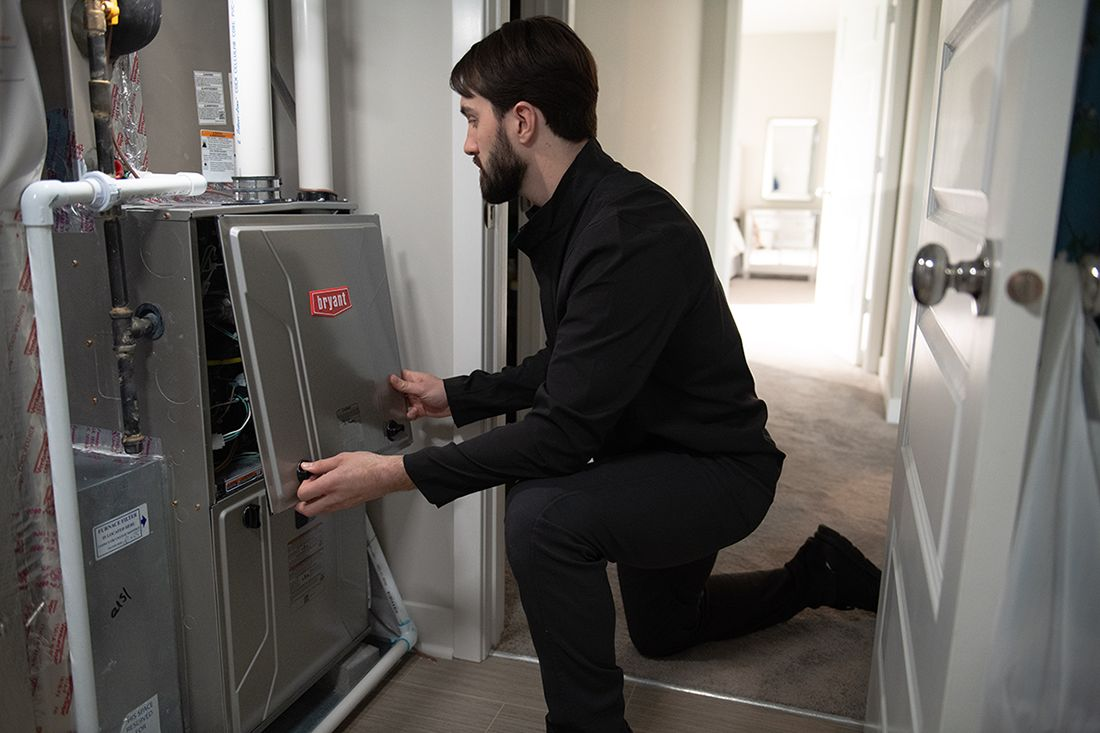
A well-functioning furnace is one of the most important systems in any home, especially during cold months when reliable heating is essential for comfort and safety. Proper furnace maintenance is critical to ensuring consistent performance, extending the life of the system, and preventing costly repairs. Regular maintenance also improves energy efficiency and promotes a safe indoor environment, reducing the risk of hazards such as carbon monoxide leaks, electrical issues, or fire. Homeowners who prioritize furnace maintenance experience a combination of long-term savings, improved system reliability, and peace of mind, knowing that their home heating will perform optimally when it is needed most.
Furnaces, whether powered by gas, oil, or electricity, are mechanical systems designed to operate under heavy use throughout the winter. Over time, accumulated dust, debris, and worn components can diminish their efficiency and even lead to system failure if not addressed. Scheduled maintenance performed by certified professionals ensures that every critical component is inspected, cleaned, and fine-tuned to prevent small issues from turning into major problems. Beyond functional benefits, regular furnace maintenance enhances indoor air quality, reduces allergens, and creates a more comfortable living environment.
Why Furnace Maintenance Is Crucial
The importance of furnace maintenance cannot be overstated, as it impacts safety, performance, and long-term costs. One of the most critical aspects of furnace upkeep is safety. Furnaces that burn fuel improperly or have damaged heat exchangers can produce dangerous carbon monoxide, an odorless, colorless gas that poses a severe health risk. Proper inspection, cleaning, and component replacement help prevent such hazards and ensure that the heating system operates safely.
Energy efficiency is another significant benefit. Furnaces that operate with dirty filters, blocked vents, or worn mechanical parts must work harder to achieve the desired temperature. This not only increases energy consumption but also raises utility costs. Regular maintenance, including filter replacement, system calibration, and duct inspection, keeps the furnace running efficiently, reducing monthly energy bills and contributing to environmentally responsible energy use.
Furthermore, regular maintenance prolongs the life of the furnace. Heating systems that are neglected often experience accelerated wear and tear, which can lead to frequent breakdowns or premature replacement. By addressing minor issues early and keeping all components in optimal condition, homeowners can enjoy years of reliable service without the stress of unexpected malfunctions. A well-maintained furnace also ensures consistent comfort throughout the home, eliminating uneven heating, cold spots, and frequent cycling that often occur in neglected systems.
Key Components Inspected During Furnace Maintenance
Professional furnace maintenance includes a detailed inspection of several critical components to ensure safe and efficient operation. One of the most important elements is the air filter, which traps dust, pollen, and other airborne particles. A clogged or dirty filter restricts airflow, forces the furnace to work harder, and reduces efficiency. Regular inspection and replacement of filters are essential to maintain optimal performance.
Technicians also examine the burners and heat exchanger, the components responsible for generating and transferring heat. Burners must ignite correctly, and the heat exchanger must be free of cracks or corrosion to prevent dangerous gas leaks. Any damage to these components can compromise both efficiency and safety, highlighting the importance of professional inspection.
The blower motor and belts are inspected to ensure smooth operation. The blower motor circulates heated air throughout the home, while belts transmit motion to the blower fan. Lubricating moving parts and checking for wear reduces mechanical strain and improves airflow consistency. Thermostat functionality is verified during maintenance, with technicians testing calibration and responsiveness to guarantee accurate temperature control. Ductwork and vents are also examined for blockages, leaks, or insulation issues, which can significantly impact energy efficiency and comfort.
Finally, safety controls, electrical connections, and pilot lights are carefully checked to prevent malfunctions and hazards. Proper inspection ensures that the furnace complies with safety standards and operates reliably throughout the heating season.
Signs That Furnace Maintenance Is Needed
Even without a scheduled maintenance appointment, homeowners can detect potential issues by observing the furnace’s performance. Uneven heating or persistent cold spots in the home may indicate airflow problems or mechanical wear. Sudden spikes in energy bills can suggest inefficiency due to clogged filters, dirty burners, or duct leaks. Strange noises such as banging, rattling, or squealing often point to worn belts, motors, or other moving parts that require attention.
Other warning signs include frequent cycling, dust accumulation around vents, or visible rust, corrosion, or soot near the furnace. Addressing these indicators promptly with professional furnace maintenance prevents small problems from escalating into expensive repairs, improves safety, and restores reliable heating performance.
Professional Furnace Maintenance vs. DIY
While some homeowners attempt to maintain their furnaces themselves, professional services provide several advantages that DIY methods cannot match. Certified technicians possess specialized knowledge of different furnace types, models, and fuel systems, allowing them to identify subtle issues that may go unnoticed by an untrained eye. They also use advanced tools and testing equipment to evaluate airflow, gas pressure, electrical systems, and combustion efficiency, ensuring the system operates at peak performance.
Professionals can identify minor problems before they develop into costly repairs or safety hazards. Additionally, licensed and insured services guarantee adherence to safety standards and environmental regulations, particularly when handling fuel-powered systems. Although DIY tasks such as filter replacement or basic cleaning are feasible, relying solely on these measures may leave critical components unchecked, leaving the system vulnerable to malfunctions and safety risks.
Recommended Maintenance Schedule
To maximize efficiency, safety, and reliability, a structured maintenance schedule is recommended. An annual professional inspection before the start of the heating season is ideal, ensuring the furnace is ready for heavy use. Filters should be checked monthly and replaced every 1–3 months, depending on usage, to maintain airflow and system efficiency. Mid-season inspections can be beneficial in regions with extreme winter conditions, helping to catch any developing issues before they compromise comfort. Homeowners should also perform visual checks periodically, examining vents, ductwork, and airflow to identify any irregularities.
Cost Considerations
The cost of professional furnace maintenance varies depending on furnace type, size, and the extent of the service. Standard inspections, cleaning, and minor adjustments are generally affordable and provide excellent value when compared with the costs of emergency repairs or early replacement. While upfront costs may seem like an added expense, the long-term benefits including reduced energy bills, extended system lifespan, improved comfort, and enhanced safety make regular maintenance a worthwhile investment. Additionally, keeping a documented service history can benefit homeowners when selling the property, as it demonstrates responsible system care.
Energy Efficiency and Furnace Maintenance
Proper maintenance directly impacts energy efficiency. A clean, well-calibrated furnace consumes less energy to maintain comfortable indoor temperatures. Dust, debris, and worn components force the system to operate harder, increasing fuel consumption and emissions. Regular maintenance, including cleaning, lubrication, inspection, and calibration, ensures the furnace operates efficiently, saving homeowners money while reducing environmental impact. Energy-efficient operation also contributes to overall system longevity, reducing the likelihood of premature breakdowns.
Challenges in Furnace Maintenance
Older furnaces often present unique challenges during maintenance, as worn components or outdated designs may require additional attention or part replacement. Some components may be difficult to access, necessitating specialized tools and professional expertise. Fuel type differences between gas, oil, or electric require technicians to follow distinct safety and operational procedures to ensure proper servicing. Seasonal demand can also complicate scheduling, as maintenance is most effective before peak usage periods. Addressing these challenges through professional furnace maintenance guarantees safety, reliability, and performance.
Conclusion
Proper furnace maintenance is essential for ensuring safety, efficiency, and comfort throughout the heating season. By inspecting, cleaning, and servicing critical components such as filters, burners, heat exchangers, blower motors, thermostats, and ductwork, homeowners can prevent hazards, reduce energy consumption, and extend the life of their heating system. Regular professional maintenance ensures that the furnace operates efficiently, provides consistent indoor comfort, and minimizes the risk of costly breakdowns.
Investing in a structured maintenance plan is a proactive strategy that benefits homeowners both financially and in terms of safety. A well-maintained furnace not only keeps homes warm and comfortable but also protects indoor air quality, enhances energy efficiency, and ensures reliable performance for many years. Through consistent attention and professional servicing, homeowners can enjoy peace of mind knowing their heating system is safe, dependable, and optimized for long-term use.
