
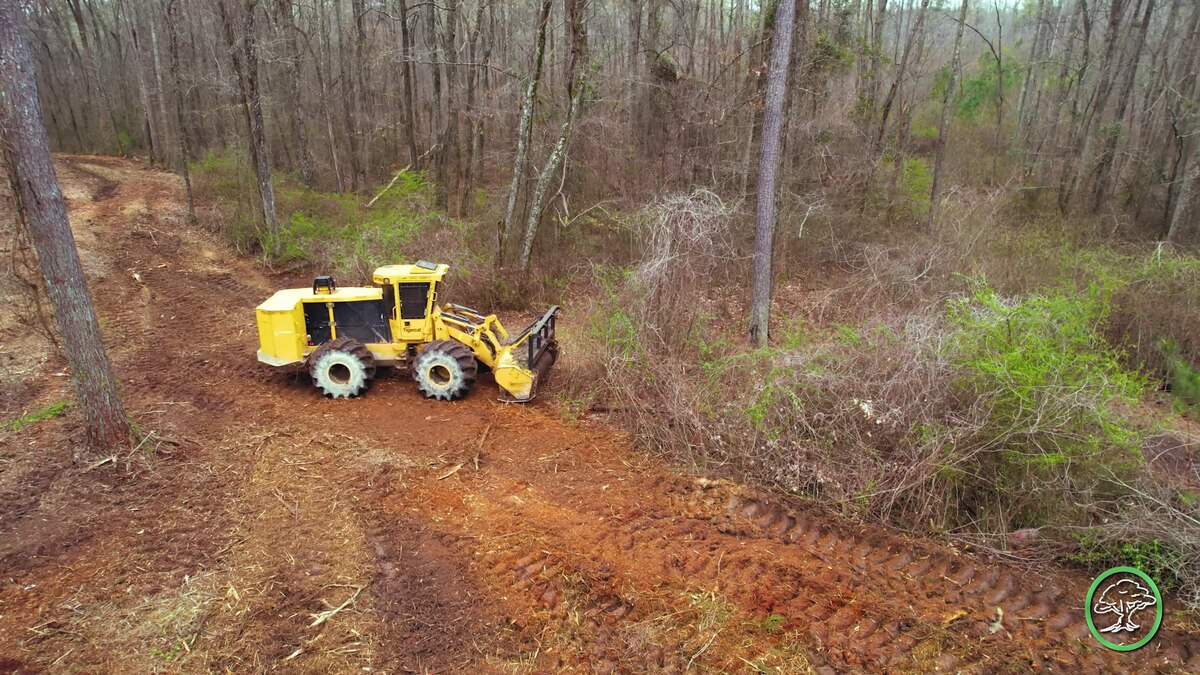
Managing overgrown land, whether for development, agriculture, or conservation, requires more than simply cutting down trees or removing brush. One of the most effective and sustainable methods for land preparation is forestry mulching. This advanced technique has transformed the way landowners, developers, and property managers approach vegetation control by combining efficiency, environmental responsibility, and long-term land health. By using specialized equipment to grind and redistribute vegetation in place, forestry mulching provides a practical solution that not only clears land but also enhances soil quality, reduces erosion, and minimizes waste. Understanding the process, applications, benefits, and considerations of forestry mulching is essential for anyone seeking a modern, effective approach to land management.
Understanding Forestry Mulching and How It Works
Forestry mulching is a process that involves specialized machinery equipped with a rotating drum or cutter head fitted with steel teeth capable of cutting, grinding, and clearing vegetation in a single pass. Unlike traditional land-clearing methods that require multiple steps such as cutting, hauling, and disposal, forestry mulching streamlines the entire process. As the machine moves across a property, it shreds trees, shrubs, brush, and undergrowth, creating a fine layer of organic mulch that is spread evenly over the soil surface. This mulch serves multiple purposes, including protecting the soil from erosion, retaining moisture, and gradually decomposing to enrich the soil with nutrients.
The versatility of forestry mulching machinery allows operators to handle varying terrain, from flat areas to slopes and wooded regions, with precision. The ability to selectively remove undesirable vegetation while preserving desirable trees or plants makes forestry mulching particularly valuable for residential, agricultural, and commercial projects. Because the process does not require burning or transporting debris, it is environmentally preferable and reduces labor and equipment costs associated with traditional clearing methods.
Environmental Benefits of Forestry Mulching
Forestry mulching is not only efficient but also environmentally responsible. Traditional land-clearing techniques often involve burning or hauling away vegetation, which can contribute to carbon emissions, air pollution, and waste management challenges. By contrast, forestry mulching recycles the vegetation in place, returning organic matter to the soil. This natural mulch layer acts as a protective covering, reducing soil erosion from wind and water and enhancing soil fertility over time.
The mulch also helps regulate soil temperature and moisture retention, creating a more hospitable environment for future plant growth. Because the process allows for selective clearing, it preserves root systems and reduces habitat disruption for local wildlife. This sustainable approach aligns with modern land management goals by balancing property development needs with ecological stewardship, making forestry mulching an increasingly popular choice for responsible landowners.
Applications of Forestry Mulching
Forestry mulching is highly versatile and applicable across multiple industries and property types. In residential projects, it is commonly used to prepare land for construction, create access paths, or improve property aesthetics. By selectively removing brush and invasive plants, homeowners can maintain the natural beauty of their property while ensuring it is functional and safe.
In agriculture, forestry mulching helps farmers and ranchers clear pastures, control invasive species, and maintain fence lines. The resulting mulch improves soil health and nutrient content, supporting healthier crops and grazing areas. Commercial developers rely on forestry mulching to prepare large parcels of land for building projects, maintaining regulatory compliance while minimizing environmental impact. Municipalities and utility companies use the technique for right-of-way maintenance, roadside clearing, and infrastructure projects, benefiting from its efficiency and precision. Even conservation initiatives employ forestry mulching for habitat restoration, removing invasive species while preserving valuable native vegetation.
Advantages Over Traditional Land Clearing
Forestry mulching offers numerous advantages over conventional methods such as bulldozing, burning, or mechanical removal followed by hauling. Traditional clearing often disrupts soil structure, removes topsoil, and creates erosion-prone areas. Large piles of debris left from conventional methods can be unsightly, require disposal, and pose fire hazards.
In contrast, forestry mulching maintains soil integrity by leaving the root systems of desirable plants intact and evenly distributing organic mulch across the cleared area. The reduced need for additional machinery minimizes soil compaction and disturbance. It also eliminates the labor and costs associated with hauling debris or managing burn piles. The method is faster, cleaner, and more efficient, providing property owners with a long-term solution that supports both land usability and environmental sustainability.
Cost Considerations for Forestry Mulching
The cost of forestry mulching varies based on several factors, including property size, vegetation density, terrain, and accessibility. Dense growth, large trees, and uneven landscapes may require more powerful machinery and extended operating time, influencing the overall price. However, forestry mulching often proves more cost-effective than traditional land-clearing methods because it combines multiple steps into a single process, reducing labor, equipment, and disposal costs.
Professional assessment is critical to ensure accurate cost estimation. Experienced contractors evaluate the land, identify challenges, and recommend the most appropriate equipment and approach. By investing in skilled operators and modern machinery, property owners can achieve efficient clearing while maintaining long-term land health, ultimately saving money and reducing potential complications.
Maintenance and Long-Term Benefits
Once forestry mulching is complete, ongoing land management is essential to preserve the benefits of the initial clearing. The mulch layer naturally suppresses weed growth and enhances soil fertility as it decomposes. Regular inspections and occasional maintenance help prevent regrowth of unwanted vegetation, maintain proper drainage, and support soil stability.
In agricultural settings, the improved soil condition from decomposed mulch can contribute to higher crop yields and healthier grazing areas. For residential and commercial properties, forestry mulching enhances aesthetics, improves accessibility, and ensures safer, more functional landscapes. By combining effective clearing with ongoing care, property owners maximize the long-term value and usability of their land.
Why Forestry Mulching Is a Sustainable Choice
Forestry mulching represents a forward-thinking approach to land management that balances efficiency, cost-effectiveness, and environmental responsibility. Its ability to clear dense vegetation, preserve soil integrity, recycle organic matter, and reduce emissions makes it a sustainable alternative to older methods. Property owners benefit from faster project completion, reduced labor, lower disposal costs, and improved land usability.
From residential developments to large-scale agricultural projects and conservation efforts, forestry mulching provides a practical, long-term solution for managing overgrown or underutilized land. Its versatility, environmental benefits, and cost savings have made it an increasingly popular choice for modern land management strategies.
Conclusion
Forestry mulching is a practical and sustainable approach to land clearing that offers efficiency, environmental stewardship, and long-term soil preservation. By transforming vegetation into nutrient-rich mulch in place, this method eliminates the need for burning or hauling debris, reduces erosion, and enhances soil fertility. Its applications span residential, commercial, agricultural, and conservation projects, providing property owners with a versatile solution that balances land usability and ecological responsibility. With professional expertise, modern machinery, and proper maintenance, forestry mulching ensures that land is prepared effectively, safely, and sustainably for years to come, making it an indispensable tool in modern land management.
