
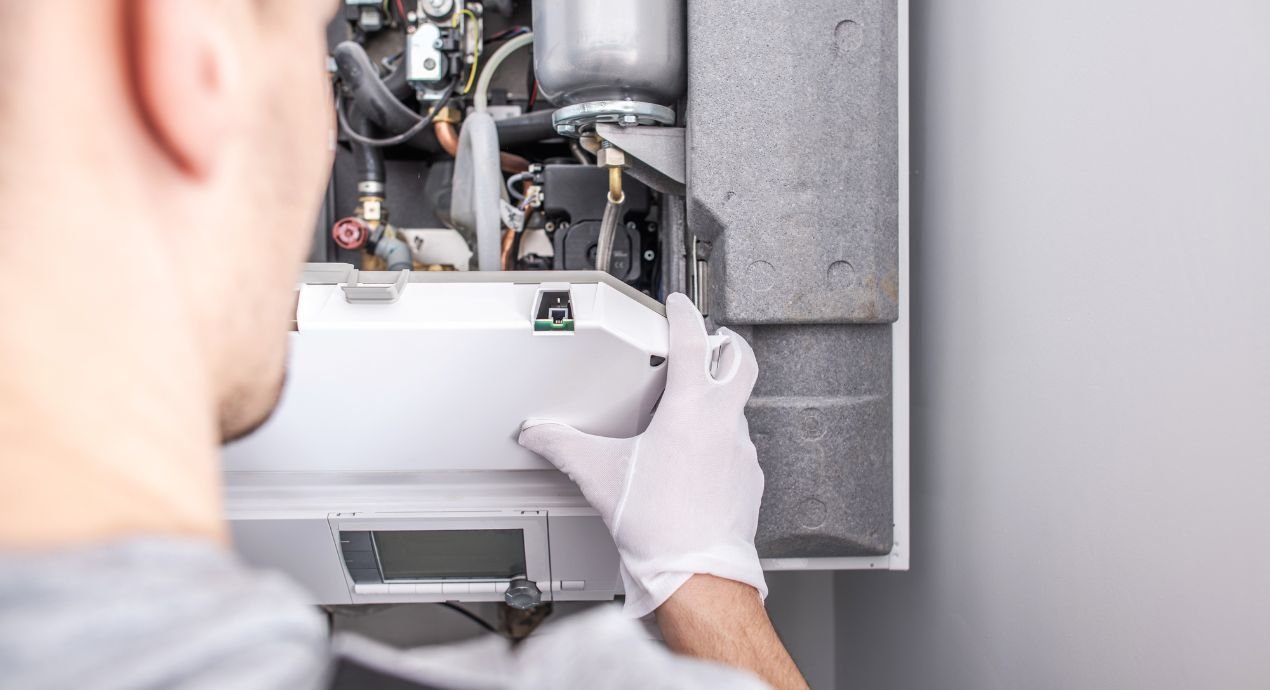
Heater repair is an essential service for maintaining comfort, safety, and energy efficiency in residential and commercial spaces, especially during colder months. Heating systems are complex, comprising various components such as furnaces, boilers, heat pumps, radiators, thermostats, and ductwork. Over time, these components can experience wear and tear, leading to inefficiency, breakdowns, or safety hazards. Professional heater repair ensures that systems operate reliably, prolongs the lifespan of equipment, reduces energy consumption, and safeguards occupants. Understanding the types of heaters, common problems, repair techniques, and maintenance considerations is critical for property owners seeking optimal performance and long-term value from their heating systems.
Types of Heating Systems
Different heating systems require specialized repair approaches depending on their design and technology. Furnaces are among the most common systems, operating by heating air through gas, electricity, or oil and distributing it via ductwork. Gas furnaces are efficient but require proper combustion management, regular inspection of burners, and timely maintenance of the ignition system. Electric furnaces are simpler in design but rely on heating elements that can degrade over time and require replacement if damaged.
Boilers are another common type of heating system, particularly in older homes and commercial properties. They heat water or generate steam to provide radiant heat through pipes and radiators. Boiler systems require precise pressure control, periodic flushing to remove sediment buildup, and inspection of valves, pumps, and thermostats to ensure consistent operation. Malfunctions in any component can disrupt heating or cause safety risks.
Heat pumps offer both heating and cooling functions, extracting heat from outdoor air, water, or the ground and transferring it indoors. They are energy-efficient but rely on compressors, refrigerants, and fans that require specialized inspection and repair. Heat pump repair involves assessing electrical connections, refrigerant levels, and mechanical components to maintain efficiency and prevent breakdowns.
Radiant heating systems, such as underfloor heating or wall panels, provide consistent and comfortable warmth. Repairing these systems often involves inspecting pipes, manifolds, valves, and control units to detect leaks, blockages, or malfunctions. Electric radiant systems require evaluation of heating elements and electrical connections, while hydronic systems need attention to circulating pumps and water pressure.
Common Heater Problems
Heater repair often addresses common problems that can impact performance, safety, and energy efficiency. One frequent issue is inadequate heating, where the system fails to reach desired temperatures or heats unevenly. Causes may include clogged filters, faulty thermostats, leaky ductwork, or malfunctioning components such as burners or pumps. Identifying the root cause is essential to ensure effective repair and restore consistent warmth.
Strange noises are another common symptom indicating that a heater needs attention. Rattling, banging, or hissing sounds can result from loose parts, sediment buildup, airflow obstruction, or failing components. Timely inspection prevents further damage, reduces the risk of breakdowns, and improves operational safety.
Pilot light or ignition problems are typical in gas furnaces and boilers. A faulty pilot light, thermocouple, or ignition module can prevent the system from starting or maintaining consistent heat. Professional repair ensures that combustion components function safely and efficiently.
Electrical issues, such as circuit failures, tripped breakers, or malfunctioning wiring, can disrupt heater operation. Electric heaters and heat pumps require careful assessment of electrical connections, relays, and control boards to restore functionality while minimizing the risk of fire hazards or system damage.
Water leaks or pressure drops are common in boilers and hydronic systems. Leaks may occur due to corroded pipes, faulty valves, or worn seals. Timely repair prevents water damage, reduces energy waste, and maintains system pressure, ensuring reliable heating performance.
Benefits of Professional Heater Repair
Hiring a professional for heater repair provides multiple benefits beyond immediate functionality. Safety is a primary concern, as improperly functioning heating systems can pose risks such as gas leaks, carbon monoxide exposure, or electrical hazards. Trained technicians follow industry standards, use appropriate tools, and adhere to safety protocols to prevent accidents during repair.
Efficiency is another key benefit. A well-maintained and repaired heater consumes less energy, reducing utility bills and environmental impact. Professional repair restores optimal performance by addressing worn components, sealing leaks, and calibrating systems to operate at peak efficiency.
Longevity of the heating system is enhanced through timely repairs. Addressing minor issues before they escalate prevents costly breakdowns and extends the lifespan of furnaces, boilers, heat pumps, and other heating units. Regular repair and maintenance also reduce wear and tear on critical components, improving overall reliability.
Convenience and peace of mind are additional advantages. Professional technicians can diagnose complex problems quickly, provide accurate solutions, and offer guidance for preventive maintenance. This minimizes downtime during cold weather, ensures uninterrupted warmth, and allows property owners to focus on daily responsibilities without concern for heating failures.
Heater Repair Process
Heater repair begins with a thorough inspection to diagnose the root cause of the problem. Technicians assess the entire system, including heating elements, burners, fans, pumps, valves, ductwork, thermostats, electrical connections, and control units. Diagnostic tools such as multimeters, pressure gauges, and combustion analyzers help identify faults accurately.
Once the problem is identified, the technician recommends appropriate repairs or component replacements. Common repairs include fixing leaks, replacing filters, cleaning burners, repairing electrical components, recalibrating thermostats, and adjusting airflow. In some cases, extensive damage may require part replacement or system upgrades to restore efficiency and safety.
Testing is a crucial step after repair. Technicians run the heating system to ensure proper operation, verifying that the desired temperatures are achieved, airflow is consistent, and all safety mechanisms are functioning. This ensures that the heater operates reliably and meets performance standards.
Maintenance Tips to Reduce Repair Needs
Preventive maintenance is essential for reducing the frequency of heater repair. Regularly cleaning or replacing air filters improves airflow, reduces strain on the system, and prevents component failure. Inspecting ducts, vents, and registers ensures that air circulates efficiently and minimizes energy waste.
Annual professional inspections are recommended for all heating systems. Technicians can identify minor issues before they escalate, calibrate equipment, and provide guidance on optimal usage. For gas and oil systems, checking combustion efficiency, venting, and safety mechanisms is critical to prevent hazards.
Thermostat management is another important preventive measure. Proper thermostat settings, programmable schedules, and consistent calibration enhance system performance, reduce energy consumption, and minimize unnecessary wear on components.
Cost Considerations
The cost of heater repair varies depending on the type of system, extent of damage, and labor requirements. Minor repairs, such as filter replacement or thermostat adjustment, are relatively affordable, while major repairs, including component replacement or boiler repair, can be more costly. Emergency repair services may incur additional fees due to urgent response and after-hours work.
Investing in professional repair offers long-term value by preventing further damage, improving efficiency, and extending system lifespan. Attempting DIY repairs or delaying service can result in costly breakdowns, safety hazards, and reduced comfort.
When to Consider Replacement
While heater repair can address most issues, some situations warrant replacement rather than repair. Systems that are old, inefficient, or frequently malfunctioning may no longer operate cost-effectively. Replacing outdated units with modern, energy-efficient systems provides long-term savings, improved performance, and enhanced safety.
Consulting a professional technician helps determine whether repair or replacement is the best option based on system age, condition, and operational efficiency. Upgrading to high-efficiency furnaces, boilers, or heat pumps also offers environmental benefits and improved comfort.
Conclusion
Heater repair is a critical service that ensures comfort, safety, and efficiency in residential and commercial spaces. Professional repair addresses common problems such as inadequate heating, strange noises, ignition failure, electrical issues, and leaks, restoring optimal system performance. Timely repair enhances safety, improves energy efficiency, prolongs system lifespan, and provides peace of mind during cold weather.
Preventive maintenance, regular inspections, and proper operation further reduce repair needs and ensure reliable performance. Understanding the types of heating systems, common issues, repair processes, and cost considerations allows property owners to make informed decisions and maximize the value of their heating equipment. Whether addressing emergency breakdowns or performing routine maintenance, professional heater repair is an essential investment in safety, comfort, and long-term operational efficiency.
