
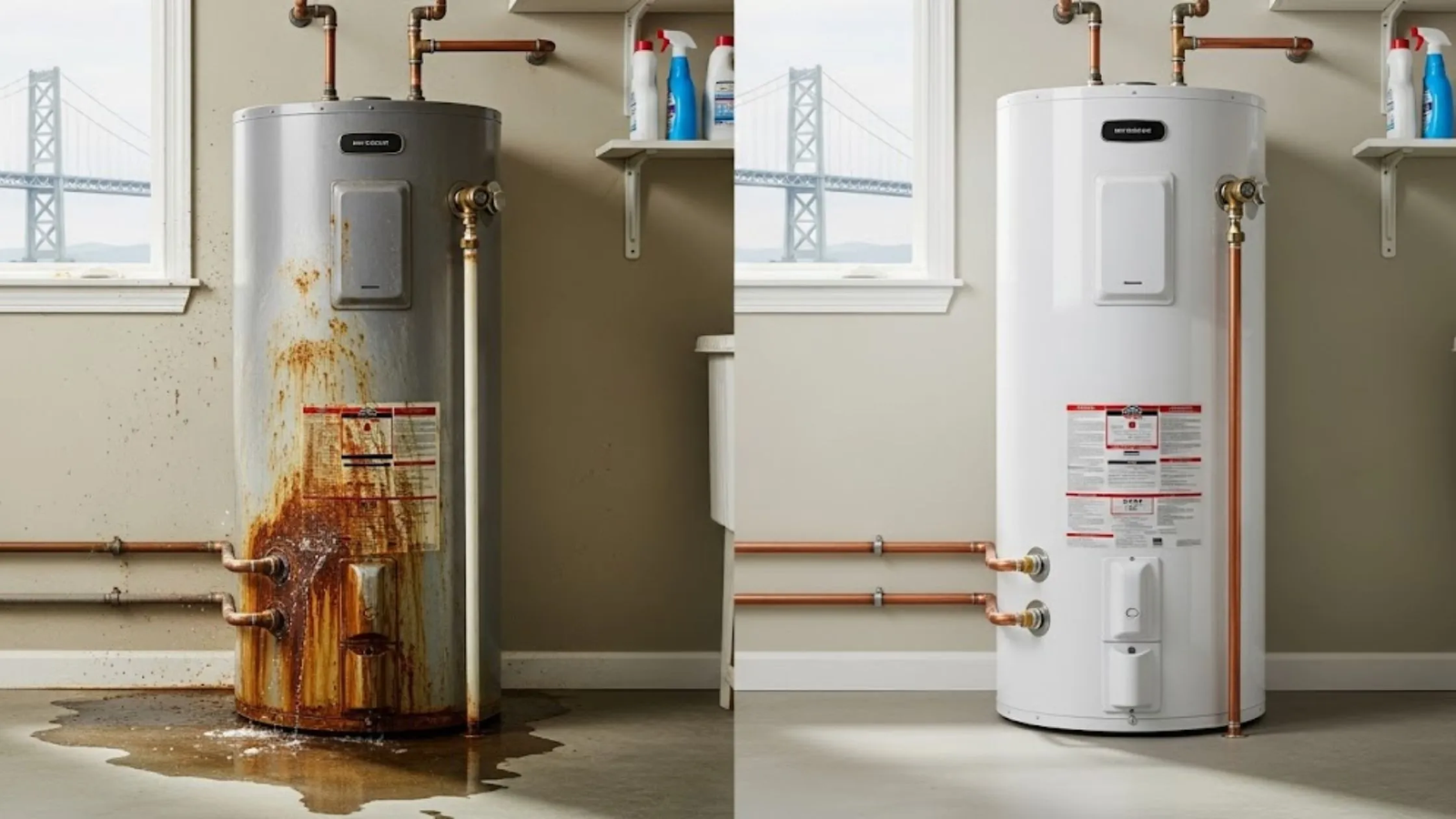
Replacing a water heater is a task that many homeowners eventually face, yet it is often approached with hesitation due to the perceived complexity and cost involved. A water heater replacement is not just about swapping out an old unit for a new one; it is a critical home improvement project that can affect energy efficiency, water quality, and the overall comfort of your household. Understanding the full scope of the process, from assessing your current system to selecting the right replacement and ensuring professional installation, is essential for achieving long-term satisfaction and avoiding costly mistakes.
Understanding the Need for Water Heater Replacement
Water heaters are designed to provide consistent hot water for your home, but like any major appliance, they have a finite lifespan. Most traditional tank water heaters last between 8 to 12 years, while tankless models can last up to 20 years with proper maintenance. Signs that indicate it’s time for a water heater replacement include inconsistent water temperature, frequent leaks, unusual noises, and rising energy bills. Ignoring these warning signs can lead to more severe problems, including flooding, water damage, and inefficient energy usage.
One of the primary reasons homeowners opt for a water heater replacement is declining efficiency. As water heaters age, sediment buildup in the tank can reduce heating efficiency and limit water flow. Additionally, older models may not meet current energy standards, leading to higher operational costs. Upgrading to a modern unit can significantly reduce energy consumption, lower utility bills, and provide a more reliable source of hot water.
Choosing the Right Water Heater
Selecting the appropriate water heater is a crucial step in the replacement process. Several factors should be considered, including tank size, energy source, and overall efficiency. For households with high hot water demand, larger tank units or multiple water heaters may be necessary. Conversely, smaller households or homes with lower water usage can benefit from compact models or tankless systems that heat water on demand.
Energy efficiency is another key consideration. Modern water heaters are designed to consume less energy while providing consistent performance. Look for units with high Energy Factor (EF) ratings, which indicate better efficiency. Some homeowners also consider hybrid water heaters, which combine traditional tank storage with heat pump technology to further reduce energy usage. Choosing the right water heater not only ensures comfort but also contributes to environmental sustainability by lowering energy consumption.
Preparing for a Water Heater Replacement
Proper preparation is essential for a smooth water heater replacement process. Start by reviewing your current system and documenting its specifications, including capacity, fuel type, and installation setup. This information helps professionals recommend compatible replacement units and prevents unnecessary complications during installation.
Safety precautions must also be taken when handling water heaters. Shut off the power supply or gas line to the existing unit and ensure that the water supply is turned off before any work begins. Draining the old tank completely is critical to avoid water damage and make the removal process more manageable. Homeowners should also prepare the installation area by clearing any obstacles and ensuring proper ventilation if the new unit uses gas.
The Installation Process
The actual water heater replacement involves several technical steps that should be performed by trained professionals. The old unit must be carefully removed, including disconnecting water lines, electrical connections, and venting systems. Once removed, the installation area should be inspected for any potential issues, such as corrosion, leaks, or structural damage.
Installing the new water heater requires precise connections to ensure optimal performance and safety. Water lines, pressure relief valves, and electrical or gas connections must all meet manufacturer specifications. Improper installation can lead to serious safety hazards, including gas leaks, electrical shorts, or flooding. Professional installers will also test the system thoroughly to confirm that it operates correctly and efficiently.
Maintenance Tips After Replacement
A water heater replacement is an investment in your home, and proper maintenance ensures that the unit lasts as long as possible. Regular maintenance tasks include flushing the tank annually to remove sediment buildup, inspecting the anode rod to prevent corrosion, and checking the pressure relief valve for proper operation. For tankless systems, cleaning the heat exchanger periodically is recommended to maintain efficiency.
Monitoring water temperature and pressure is also important. Set the thermostat to a safe and efficient temperature, usually around 120 degrees Fahrenheit, to prevent scalding and reduce energy consumption. Additionally, address any minor issues promptly to avoid major repairs or premature failure. By following these maintenance guidelines, homeowners can maximize the lifespan and performance of their water heater.
Common Challenges and How to Avoid Them
While a water heater replacement can improve home comfort and efficiency, several challenges can arise during the process. One common issue is selecting a unit that does not match the household’s hot water needs, leading to insufficient supply or wasted energy. Consulting a professional and assessing your home’s water usage patterns can prevent this mistake.
Another challenge is improper installation, which can result in leaks, inefficient heating, and even safety hazards. Hiring a licensed professional with experience in water heater installation is essential to ensure that all plumbing, electrical, and gas connections meet current codes and standards. Additionally, planning for disposal of the old unit is important, as water heaters contain materials that require proper recycling or disposal.
Cost Considerations
The cost of a water heater replacement varies depending on several factors, including the type of water heater, its capacity, and labor charges. Traditional tank water heaters generally have lower upfront costs but may have higher long-term energy expenses. Tankless models, while more expensive initially, offer energy savings and a longer lifespan.
Homeowners should also factor in installation costs, which can vary based on the complexity of the job and local labor rates. While DIY installation may seem like a cost-saving option, it carries significant risks if proper safety procedures and technical specifications are not followed. Professional installation not only ensures safety but can also prevent costly mistakes that may arise from improper setup.
Benefits of Timely Replacement
Timely water heater replacement provides numerous benefits beyond improved comfort. Modern units are more energy-efficient, reducing utility bills and environmental impact. New water heaters also offer better water quality by reducing sediment buildup and preventing corrosion that can affect taste and safety.
Additionally, replacing an aging unit minimizes the risk of leaks or catastrophic failure, which can cause extensive water damage and require expensive repairs. Upgrading to a modern water heater also increases the overall value of your home, as prospective buyers often view updated appliances as a sign of well-maintained property.
Conclusion
A water heater replacement is a significant home improvement project that combines practical, safety, and financial considerations. From understanding the signs that a replacement is needed to selecting the right unit, preparing the installation area, and ensuring professional setup, each step contributes to long-term satisfaction and efficiency. Proper maintenance following replacement further extends the life of the water heater and ensures reliable performance for years to come.
Investing in a high-quality water heater and prioritizing professional installation is not just about convenience; it is about safeguarding your home, improving energy efficiency, and enhancing the comfort of everyday living. By approaching water heater replacement thoughtfully and proactively, homeowners can enjoy consistent hot water, lower energy costs, and peace of mind knowing their system is safe and reliable.
