Introduction to Roll Off Dumpster Rental Services
Managing waste efficiently is one of the most important aspects of any construction, renovation, demolition, or large-scale cleanout project. Whether you are a contractor overseeing a commercial build, a homeowner remodeling your kitchen, or a property manager handling a major cleanout, having a dependable waste removal solution is essential. This is where a roll off dumpster rental becomes invaluable. Instead of making multiple trips to a landfill or struggling with overflowing trash bins, you can streamline the entire process with a single, convenient container delivered directly to your site.
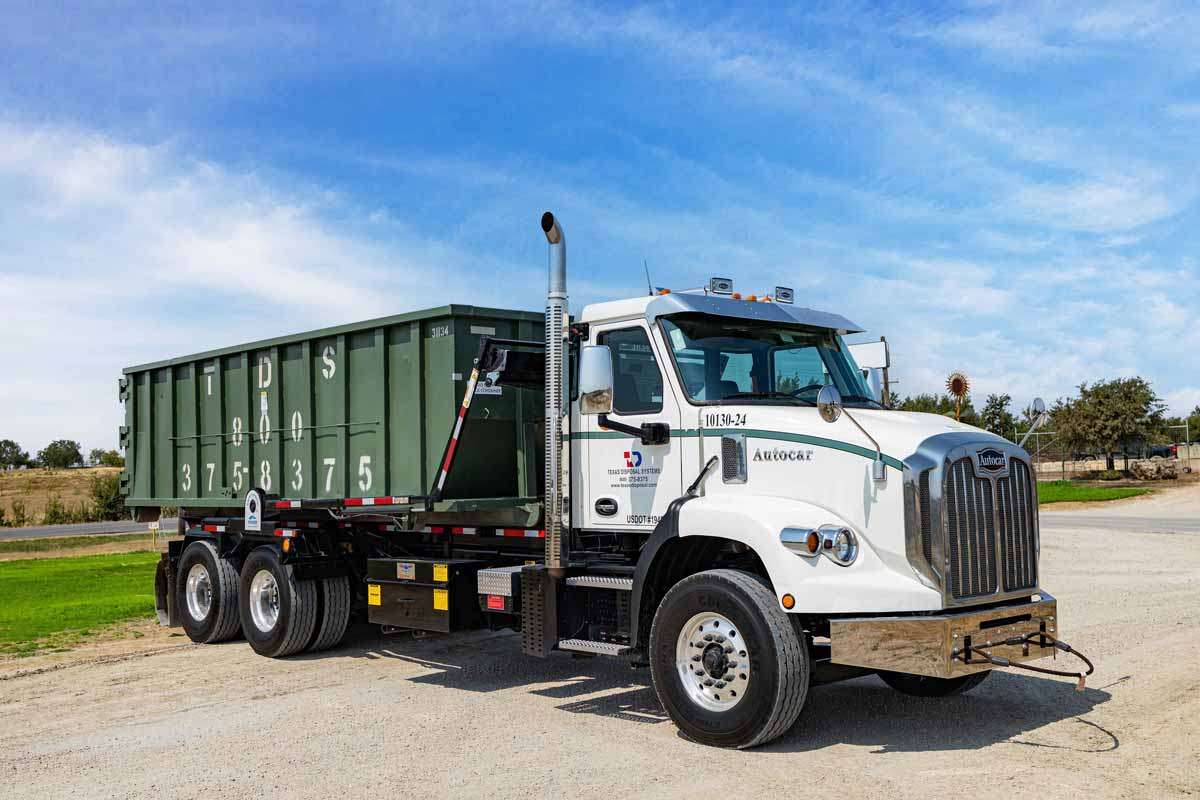
A roll off dumpster rental provides a large, open-top container that is delivered by a specialized truck and “rolled off” into place. These containers are designed to handle substantial amounts of debris, including construction materials, household junk, yard waste, and more. The convenience, efficiency, and cost-effectiveness of this service make it a preferred choice for projects of all sizes.
How Roll Off Dumpsters Work
Understanding how a roll off dumpster rental works can help you make better decisions for your project. The process is straightforward. First, you contact a dumpster rental provider and select the appropriate container size based on your project’s needs. The company delivers the dumpster to your location and places it in a pre-agreed spot. Once the dumpster is filled, you schedule a pickup, and the provider hauls it away for proper disposal.
Roll off dumpsters are typically rectangular and come in various sizes, often measured in cubic yards. Common sizes include 10-yard, 20-yard, 30-yard, and 40-yard containers. Smaller sizes are ideal for home cleanouts and minor renovation projects, while larger sizes are better suited for commercial construction and demolition jobs.
The open-top design allows easy loading of bulky or heavy materials. Many dumpsters also feature a swinging rear door, making it easier to walk in heavier debris rather than lifting it over the side. This design enhances safety and efficiency, especially for construction sites.
Benefits of Using a Roll Off Dumpster Rental
There are numerous benefits to choosing a roll off dumpster rental over other waste disposal options. One of the primary advantages is convenience. Instead of relying on multiple small trash bins or making frequent landfill trips, you have one centralized location for all debris.
Another significant benefit is improved safety. Construction and renovation sites can quickly become hazardous when debris accumulates. Having a designated container reduces the risk of accidents caused by scattered materials. It also keeps pathways clear and workspaces organized.
Efficiency is another key advantage. Workers can dispose of materials immediately, which keeps projects moving without delays. In addition, professional dumpster rental companies ensure that waste is disposed of according to local regulations, reducing the risk of fines or environmental violations.
Cost-effectiveness also plays a major role. While some may initially hesitate at the idea of renting a large container, it often proves more economical than alternative methods. Fuel costs, landfill fees, and labor associated with self-hauling waste can quickly add up, making a roll off dumpster rental a practical and budget-friendly choice.
Common Projects That Require Roll Off Dumpsters
Roll off dumpsters are versatile and can be used for a wide range of projects. Construction and demolition are among the most common uses. Contractors rely on these containers to manage debris such as concrete, wood, drywall, roofing materials, and metal scraps.
Home renovation projects also benefit significantly from a roll off dumpster rental. Whether you are remodeling a bathroom, replacing flooring, or tearing down walls, debris can accumulate rapidly. A dumpster ensures that old materials are removed efficiently.
Large-scale cleanouts are another frequent application. Estate cleanouts, foreclosure properties, garage decluttering, and hoarding situations often produce more waste than standard trash services can handle. A roll off dumpster rental provides the capacity needed to manage large volumes of unwanted items.
Landscaping projects also generate substantial debris, including soil, branches, sod, and old fencing. Having a designated container keeps your property tidy and prevents yard waste from piling up.
Choosing the Right Dumpster Size
Selecting the correct dumpster size is crucial for maximizing value and efficiency. Choosing a container that is too small may result in overage fees or the need for an additional rental. On the other hand, selecting one that is too large may mean paying for unused capacity.
A 10-yard dumpster is typically suitable for small cleanouts or minor remodeling tasks. A 20-yard container works well for medium-sized renovation projects or roofing jobs. Larger construction sites often require 30-yard or 40-yard dumpsters to accommodate substantial volumes of debris.
Consulting with your rental provider can help ensure you select the most appropriate size. Providing details about the type and volume of materials you expect to dispose of allows them to make informed recommendations.
Understanding What Can and Cannot Be Disposed Of
While roll off dumpsters are versatile, there are restrictions on certain materials. Most providers allow common construction debris, household junk, yard waste, and furniture. However, hazardous materials such as chemicals, paints, batteries, and asbestos are typically prohibited.
It is important to clarify disposal guidelines with your provider before loading the dumpster. Placing restricted items inside can result in additional fees or legal complications. Responsible disposal ensures compliance with environmental regulations and protects both you and the rental company.
Preparing Your Site for Dumpster Delivery
Before your roll off dumpster rental arrives, proper preparation can help avoid complications. Ensure that there is adequate space for the container and that the delivery truck has clear access to the placement area. Remove vehicles, obstacles, or debris that may interfere with delivery.
It is also wise to protect surfaces such as driveways by placing plywood boards under the dumpster. This can help prevent scratches or damage caused by the container’s weight. Clear communication with the rental provider regarding placement preferences ensures smooth delivery and pickup.
Rental Duration and Scheduling Considerations
Most roll off dumpster rental agreements include a set rental period, commonly ranging from a few days to a week. However, many providers offer flexible scheduling options. If your project timeline changes, you can often request an extension for an additional fee.
Scheduling pickup promptly once the dumpster is full prevents overfilling and maintains site safety. Overfilled dumpsters can pose transportation hazards and may result in extra charges. Planning your rental duration carefully helps avoid unexpected costs and ensures efficient project completion.
Cost Factors to Consider
Several factors influence the cost of a roll off dumpster rental. The size of the container, rental duration, type of debris, and weight limits all play a role. Heavier materials such as concrete or roofing shingles may incur higher fees due to disposal costs.
Some providers offer flat-rate pricing, while others charge based on weight. Understanding the pricing structure in advance allows you to budget accurately. Transparent communication with your rental company helps prevent surprises when the final bill arrives.
It is also important to consider permit requirements. In some cases, placing a dumpster on a public street may require a permit. Checking local regulations beforehand ensures compliance and avoids potential fines.
Environmental Responsibility and Waste Management
Proper waste management is essential for environmental sustainability. Many dumpster rental companies prioritize responsible disposal practices, including recycling and sorting materials whenever possible. Choosing a reputable provider supports environmentally conscious waste management.
Construction and demolition waste can often be recycled, including metal, wood, and certain plastics. By utilizing a roll off dumpster rental service that emphasizes recycling, you contribute to reducing landfill waste and promoting sustainable practices.
Tips for Maximizing Your Dumpster Rental Experience
To get the most out of your roll off dumpster rental, consider organizing debris before loading. Breaking down large items and distributing weight evenly helps maximize space and maintain safe load levels. Avoid overfilling the container beyond the marked fill line to prevent additional fees.
Communicate clearly with your rental provider regarding project details and expected debris types. Accurate information allows them to provide the best recommendations and ensures a smooth rental experience.
Planning ahead is also beneficial. Scheduling delivery in advance, especially during peak construction seasons, ensures availability and avoids project delays.
Conclusion
A well-planned roll off dumpster rental can significantly improve the efficiency, safety, and organization of your project. From construction sites to residential cleanouts, these versatile containers offer a convenient solution for managing large volumes of waste. By understanding dumpster sizes, cost factors, disposal guidelines, and scheduling considerations, you can make informed decisions that save both time and money.
Whether you are tackling a home renovation, overseeing a commercial build, or managing a major cleanout, investing in the right roll off dumpster rental service ensures that waste removal is one less thing to worry about. With proper planning and a reliable provider, you can focus on completing your project successfully while maintaining a clean and safe work environment.
