
Recognizing a True Dental Emergency
Not all dental discomfort requires immediate treatment, but certain symptoms should never be ignored. Persistent tooth pain, facial swelling, uncontrolled bleeding, cracked or knocked-out teeth, and signs of infection often indicate the need for urgent care.
In these situations, emergency dental care services focus on stabilizing the condition, relieving pain, and preventing the issue from worsening. Early intervention can reduce the risk of tooth loss and limit the spread of infection.
Understanding the difference between urgent and non-urgent issues helps patients seek care at the right time without unnecessary delays.
Why Delaying Treatment Can Make Things Worse
Dental problems tend to progress quickly when left untreated. Minor fractures can deepen, infections can spread beyond the tooth, and inflammation can lead to more complex complications. Emergency visits are designed to interrupt this progression.
Prompt care often means simpler treatment and faster recovery. Addressing the issue early also reduces the likelihood of needing extensive procedures later, which can be more time-consuming and costly.
Prevention Plays a Bigger Role Than Most People Realize
Many dental emergencies are linked to underlying issues that develop gradually. Teeth grinding, for example, can weaken enamel over time and increase the risk of fractures or sudden pain.
Using night guards for teeth grinding helps protect teeth from excessive pressure during sleep. These preventive measures reduce wear and tear, lowering the chances of unexpected emergencies caused by stress-related damage.
Consistent preventive care remains one of the most effective ways to minimize urgent dental situations.
What Happens During an Emergency Dental Visit
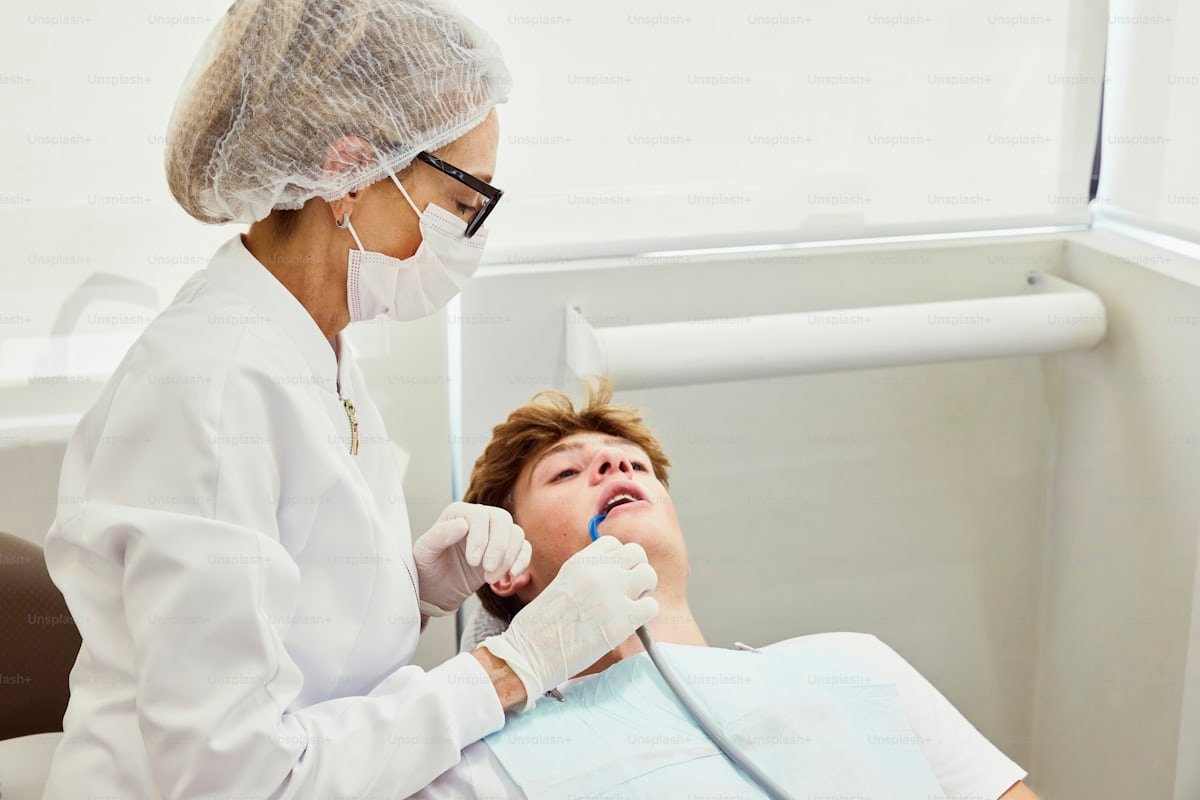
Emergency appointments are typically focused on assessment and immediate relief. Dentists prioritize identifying the source of the problem through examination and imaging, followed by steps to control pain, infection, or damage.
In many cases, definitive treatment is planned for a follow-up visit once the immediate concern is stabilized. This ensures safer, more effective care rather than rushed decisions under pressure.
Clear explanations during emergency visits help patients understand what has been addressed and what steps are needed next.
Understanding Insurance and Cost During Emergencies
Financial concerns often add stress during urgent dental situations. Knowing how ppo dental insurance applies to emergency care can help patients make decisions with greater confidence.
Practices that explain coverage, limitations, and expected expenses upfront allow patients to focus on treatment rather than uncertainty. Transparency is especially important when care decisions must be made quickly.
Being Prepared for the Unexpected
While emergencies cannot always be prevented, preparation makes them easier to handle. Recognizing warning signs, maintaining preventive habits, and knowing where to seek care can significantly improve outcomes.
Patients who attend regular dental visits and address minor concerns early are far less likely to experience sudden, severe dental issues requiring immediate intervention.
Making Informed Choices About Emergency Dental Care
Effective emergency dental care services balance urgency with thoughtful clinical judgment. The goal is not only to relieve pain but also to protect long-term oral health through timely and appropriate treatment.
Patients who value preparedness, clear communication, and continuity often consider practices like Next Care Dental when evaluating emergency care options as part of a broader approach to oral health planning.
