
Introduction: The Significance of Elderly Care at Home
As the population ages, providing appropriate care for seniors becomes increasingly important. Elderly care at home allows aging individuals to remain in familiar surroundings while receiving the assistance and support they need for daily living. Home-based care promotes independence, emotional wellbeing, and comfort, while also reducing the stress often associated with relocating to assisted living or nursing facilities.
Family caregivers play a critical role in the lives of elderly individuals, but the physical and emotional demands of caregiving can be overwhelming. Home-based elderly care services provide professional assistance with personal care, household management, medical support, and companionship, allowing families to maintain balance in their lives while ensuring loved ones are safe and well cared for.
By understanding the types of services available, the benefits of in-home care, and how to select the right provider, families can make informed decisions that enhance the health, happiness, and quality of life of their elderly loved ones.
Types of Elderly Care at Home
Elderly care at home encompasses a range of services, each designed to meet specific needs. Personal care assistance includes help with bathing, grooming, dressing, toileting, and mobility support. This type of care ensures that seniors maintain personal hygiene and comfort while reducing the risk of falls and injuries.
Medical or nursing care at home is provided to individuals who require health monitoring, medication management, wound care, or assistance with chronic conditions. Licensed nurses or trained caregivers administer these services under the guidance of physicians or healthcare providers, ensuring that seniors receive professional medical attention without leaving their homes.
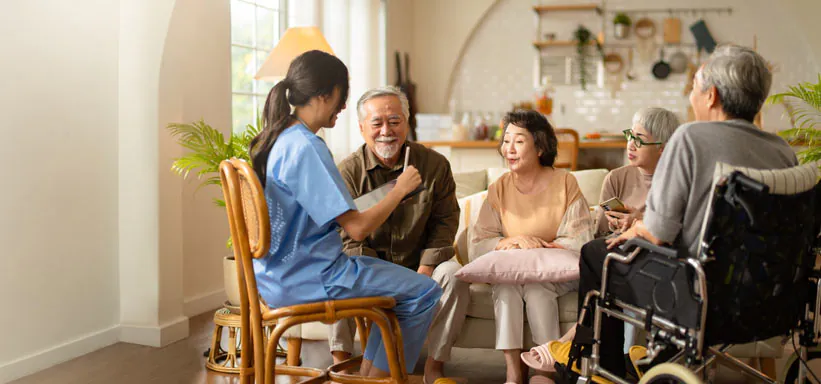
Companionship and social engagement is another vital aspect of elderly care. Seniors often face isolation or loneliness, which can affect their mental and emotional wellbeing. Caregivers engage clients in conversation, recreational activities, light exercise, or cognitive stimulation, improving mood, mental sharpness, and overall happiness.
Household management and daily living support is also a key service. This includes meal planning and preparation, light housekeeping, laundry, grocery shopping, and transportation assistance. These services help seniors maintain an organized, safe, and comfortable living environment while reducing stress on family members.
Benefits of Elderly Care at Home
Home-based elderly care provides numerous advantages for both seniors and their families. One of the primary benefits is maintaining independence. Seniors can continue living in familiar surroundings while receiving the support they need, which preserves dignity and autonomy.
Safety and health monitoring is another significant benefit. Professional caregivers are trained to recognize signs of illness, administer medications, and respond to emergencies, reducing the risk of injury or medical complications.
Home care also enhances emotional and social wellbeing. Seniors receive consistent companionship and engage in meaningful activities that combat loneliness and depression. Maintaining familiar routines and surroundings contributes to a sense of security and stability, which is particularly important for those experiencing cognitive decline or memory-related conditions.
For families, home care provides relief and peace of mind. Primary caregivers can balance work, personal responsibilities, and self-care while knowing that their loved ones are in capable hands. Professional support reduces caregiver stress and prevents burnout, which improves the overall quality of care provided.
Selecting the Right Elderly Care Provider
Choosing the right elderly care provider is crucial to ensuring the safety, comfort, and wellbeing of seniors. Families should consider agencies or caregivers with appropriate licensing, certifications, and training. This ensures that caregivers are qualified to provide both personal and medical support according to professional standards.
It is also essential to evaluate experience and expertise. Caregivers experienced in working with seniors, particularly those with chronic conditions, dementia, or mobility challenges, are better equipped to handle unique situations and provide tailored care.
Compatibility and communication between the caregiver and senior is another key factor. A positive, respectful, and empathetic relationship enhances comfort and emotional security. Families should conduct interviews, request references, and possibly arrange trial visits to assess the suitability of caregivers.
Clear documentation and care plans are important. Reputable providers create detailed care plans that outline tasks, schedules, and preferences, ensuring consistency and high-quality care.
Cost Considerations
The cost of elderly care at home varies based on the level of care, frequency of services, caregiver qualifications, and geographic location. Hourly, part-time, and full-time care options provide flexibility for families with different budgets and needs.
Insurance coverage, long-term care policies, Medicaid waivers, and government assistance programs may offset some of the costs. Families should explore all available options and discuss financial planning with the care provider to determine sustainable care solutions.
Investing in professional home care is often more cost-effective than long-term hospitalization or frequent medical emergencies. High-quality care reduces the risk of injury, illness, and hospitalization, offering long-term savings and improved quality of life.
Tips for Maximizing the Benefits of Home Care
To maximize the effectiveness of elderly care at home, families should establish clear routines and schedules. Consistent meal times, exercise, medication administration, and recreational activities help seniors maintain stability and health.
Open communication with caregivers is essential. Families should provide instructions, monitor care quality, and maintain regular updates to ensure that care meets expectations. Encouraging seniors to participate in decisions about their care also enhances their autonomy and satisfaction.
Monitoring and assessing the care arrangement regularly allows families to make adjustments as needed, ensuring that the level of support aligns with changing health needs or preferences.
Conclusion
Elderly care at home provides a practical, compassionate solution for supporting seniors while allowing them to remain in familiar surroundings. Professional caregivers deliver personalized assistance with personal care, medical support, household management, and companionship, enhancing both safety and quality of life.
By selecting a qualified provider, establishing clear routines, and maintaining open communication, families can ensure that home-based care meets the needs of seniors effectively and safely. Home care supports independence, promotes emotional and physical wellbeing, and provides peace of mind for families, making it a valuable choice for seniors and their loved ones alike.
