
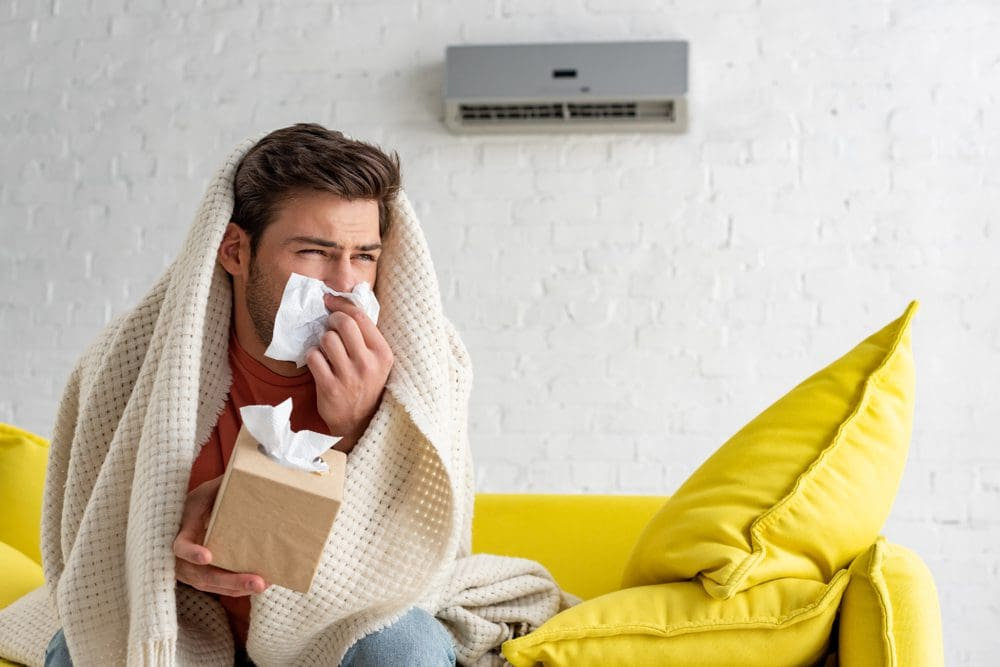
Indoor air quality is an often-overlooked aspect of home comfort, yet it plays a crucial role in the health of everyone living under your roof. Many homeowners assume that because their HVAC system provides heating and cooling, the air circulating through their home is automatically clean. In reality, HVAC systems can accumulate dust, mold, pollen, and other allergens over time, potentially worsening respiratory issues, triggering allergies, or even contributing to long-term health problems. Understanding when your HVAC may be compromising indoor air quality and knowing the steps to take can help protect your family and ensure your system operates efficiently.
How HVAC Systems Affect Indoor Air Quality
HVAC systems work by circulating air throughout your home, which means any contaminants present in the ducts or filters are distributed everywhere. Over time, dust, pet dander, pollen, and other allergens accumulate in air filters, vents, and ductwork. If the system is not regularly maintained, this accumulation can lead to poor indoor air quality, which may cause frequent headaches, coughing, sneezing, fatigue, and even more serious respiratory issues, especially for sensitive individuals. Moisture within ducts encourages the growth of mold and bacteria, which spreads every time the system runs. Even relatively new systems can harbor contaminants if filters are not properly changed or ductwork is not periodically cleaned. This makes understanding the condition of your HVAC system critical for maintaining a healthy indoor environment.
Common Causes of Poor Indoor Air Quality
Several factors contribute to poor indoor air quality, many of which are directly related to HVAC systems. First, clogged or outdated air filters fail to capture dust and allergens efficiently, allowing them to circulate freely. Second, improperly sealed or poorly insulated ductwork can introduce dust, pollutants, or outdoor allergens into the home. Third, moisture problems, whether from condensation or high indoor humidity, can create ideal conditions for mold and bacterial growth inside ducts. Additionally, the presence of pets, smoking, and even common household cleaning products can introduce volatile organic compounds (VOCs) and particulate matter into indoor air. Recognizing these factors allows homeowners to take proactive steps to mitigate contamination before it impacts health or HVAC performance.
Signs That Your HVAC System May Be Making You Sick
Recognizing the signs that your HVAC system may be affecting your health is essential. Common indicators include persistent allergy or asthma symptoms that worsen while at home, unexplained fatigue or headaches, chronic coughing, and frequent respiratory infections. Homeowners may notice musty or moldy odors emanating from vents, visible dust or debris accumulating around air returns, or uneven temperatures in different rooms despite a properly functioning system. In some cases, family members experience relief from symptoms when away from home, which is a strong signal that indoor air quality is compromised. Paying attention to these warning signs and taking proactive measures can prevent more serious health problems over time.
The Role of Filters and Regular Maintenance
One of the simplest yet most effective ways to prevent your HVAC system from compromising air quality is proper filter selection and maintenance. High-quality filters capture small particles, including pollen, dust mites, and pet dander, before they circulate throughout the home. Standard fiberglass filters may trap larger debris but are less effective at removing microscopic allergens. Maintenance is equally critical; filters should be inspected and replaced regularly, and the entire HVAC system should be serviced at least once a year to prevent dust, mold, and bacterial buildup. A clean, well-maintained system ensures fans, coils, and ducts operate efficiently, reduces energy consumption, and significantly improves indoor air quality. Working with a trusted service provider such as Penguin Air, Plumbing & Electrical ensures maintenance is performed correctly, using industry-approved procedures that maximize both air quality and system efficiency.
Duct Cleaning and Air Quality Checks
Ductwork is often the hidden culprit behind poor indoor air quality. Dust, allergens, and, in some cases, mold or bacterial growth can accumulate deep within ducts over time. Professional duct cleaning removes these contaminants and prevents them from being redistributed throughout the home. In addition, comprehensive air quality checks including testing for allergens, particulate matter, and microbial contaminants give homeowners a clear understanding of their home’s air condition. Combining duct cleaning with regular air quality assessments allows families to maintain a healthier environment and ensures HVAC systems operate at peak efficiency. Trusted providers such as Penguin Air, Plumbing & Electrical specialize in thorough duct inspections and cleaning, giving homeowners peace of mind that their indoor air is safe.
Seasonal HVAC Maintenance for Optimal Air Quality
Indoor air quality fluctuates with the seasons, making routine seasonal maintenance crucial. In the spring and summer, pollen and dust levels increase, which can accumulate in filters and ductwork if not regularly addressed. In fall and winter, higher indoor humidity from heating systems may encourage mold growth if ducts are not properly ventilated. Seasonal maintenance should include inspecting and replacing filters, cleaning coils and vents, checking for moisture buildup, and ensuring that air is circulating evenly throughout the home. Preventive maintenance not only improves air quality but also extends the lifespan of the HVAC system, reducing the likelihood of expensive repairs. Scheduling professional seasonal checkups with experienced providers such as Penguin Air, Plumbing & Electrical ensures that potential issues are addressed before they affect indoor comfort or health.
Preventive Measures to Improve Indoor Air Quality
Homeowners can take additional steps to enhance air quality beyond standard maintenance. Controlling humidity levels is essential, as excess moisture encourages mold growth and dust mites. Proper ventilation ensures fresh air circulates while stale air is removed, reducing pollutant buildup. Using HEPA filters or adding air purifiers in high-traffic areas can further reduce allergens. Minimizing indoor sources of pollution, such as smoking, chemical cleaners, and excessive use of scented candles, also helps prevent contaminants from entering the air. Combining these strategies with regular HVAC maintenance and professional inspections creates a healthier, more comfortable living environment for all occupants.
Energy Efficiency and Healthy Air
Maintaining high indoor air quality also has a direct impact on energy efficiency. Clogged filters and ducts force the HVAC system to work harder, increasing energy consumption and utility bills. A clean system ensures optimal airflow, reduces strain on fans and compressors, and prolongs the life of critical components. Homeowners who prioritize both air quality and energy efficiency often notice a significant reduction in energy costs while improving indoor comfort. Professional providers, such as Penguin Air, Plumbing & Electrical, combine air quality services with efficiency-focused maintenance, ensuring that systems operate safely, cleanly, and cost-effectively.
When to Call a Professional
If you notice persistent symptoms among household members, visible dust or mold in your vents, or unexplained odors, it is time to consult a professional HVAC service provider. Technicians can perform comprehensive air quality checks, inspect and clean ductwork, replace filters with high-efficiency options, and recommend solutions tailored to your home’s specific needs. Partnering with a trusted provider ensures that your HVAC system is not only functioning efficiently but also promoting a healthy indoor environment. Professional services provide peace of mind, knowing that the air your family breathes is clean and safe.
Frequently Asked Questions
1. How often should I have my HVAC system checked for air quality? Most experts recommend an annual inspection, combined with regular filter replacement every one to three months depending on usage and filter type.
2. Can poor air quality from HVAC systems cause serious health problems? Prolonged exposure to allergens, dust, and mold spores can worsen asthma, allergies, and other respiratory conditions. In sensitive individuals, it may even trigger more severe reactions.
3. Is duct cleaning really necessary for healthy air? While not every home requires frequent duct cleaning, professional cleaning can remove accumulated dust, allergens, and mold, significantly improving indoor air quality and HVAC efficiency.
4. What type of filter should I use to improve indoor air quality? High-efficiency filters, such as HEPA or MERV-rated filters, capture smaller particles that standard fiberglass filters often miss. Choosing the right filter depends on your system and household needs.
5. How do I know if my HVAC system is contributing to poor indoor air quality? Common signs include persistent allergy symptoms at home, musty odors from vents, visible dust or mold, uneven temperatures, and improved symptoms when away from home. A professional air quality check can confirm the source.
Ensuring a Healthy Home Environment
Indoor air quality should never be overlooked, as the air circulating through your HVAC system directly impacts your family’s health. Regular maintenance, proper filter selection, professional duct cleaning, and periodic air quality checks are essential steps in preventing contaminants from circulating throughout your home. By taking these proactive measures, homeowners can create a safer, more comfortable living environment while optimizing HVAC system performance. Partnering with an experienced provider such as Penguin Air, Plumbing & Electrical ensures that your system supports both comfort and health, giving you peace of mind that the air you breathe is clean and safe.
Business Name: Penguin Air, Plumbing & Electrical
Address: 3710 E University Dr # 1, Phoenix, AZ 85034
Phone Number: (480) 525-5400
