
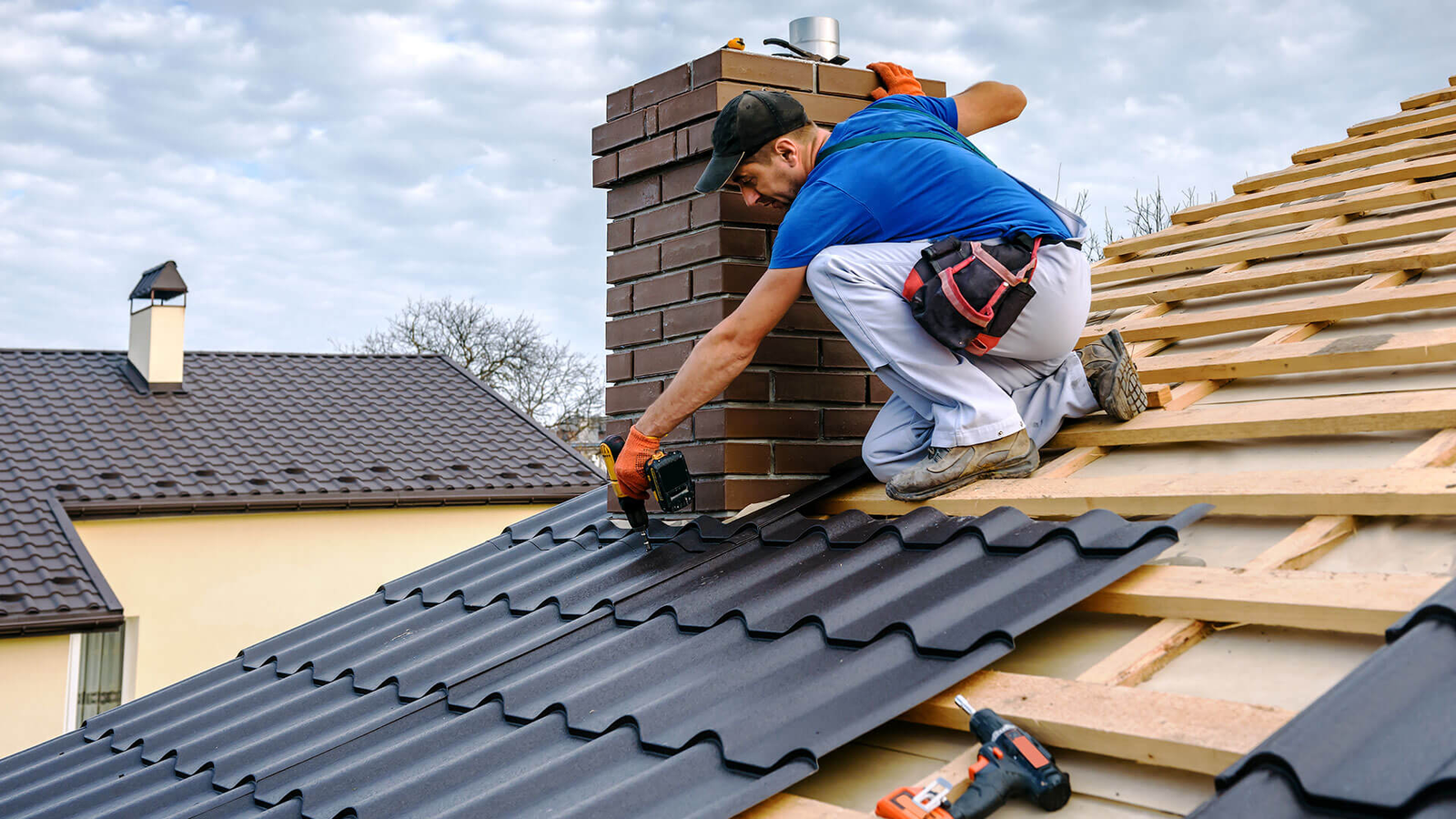
A roof is far more than just the topmost layer of a house. It is a critical barrier that protects a home from weather, prevents water damage, and contributes to energy efficiency. Despite its importance, roofs are often overlooked until visible damage occurs or leaks compromise the structure beneath. Proper roof maintenance and timely repair are essential to prevent minor issues from turning into major, costly problems. Understanding roof repair, its common causes, warning signs, and preventive strategies allows homeowners to protect both the structural integrity and financial value of their property. In this comprehensive guide, we will explore the various aspects of roof repair, including the types of damage, repair techniques, safety considerations, and the long-term benefits of proactive maintenance.
Understanding How Roofs Work and Why Repair Matters
Roofs serve as a protective layer that shields a home from rain, wind, snow, and ultraviolet sunlight. They are composed of multiple components, including shingles or tiles, underlayment, flashing, gutters, and the structural framework beneath. Each element plays a critical role in maintaining waterproofing, insulation, and overall stability. When any component becomes damaged, the protective capacity of the roof is compromised, leading to leaks, structural deterioration, and potential health hazards such as mold growth. Roof repair addresses these vulnerabilities by restoring the roof’s integrity, preventing further deterioration, and ensuring that the home remains safe and energy-efficient. Timely repairs not only safeguard the home but also reduce long-term expenses by avoiding the need for full roof replacement caused by neglected damage.
Common Causes of Roof Damage
Understanding the causes of roof damage is fundamental to effective repair and maintenance. Weather conditions, such as heavy rain, hail, high winds, and snow accumulation, are among the primary contributors to roof wear and tear. High winds can lift shingles or tiles, while hail can crack or puncture roofing materials, leading to leaks and water infiltration. Sunlight and ultraviolet exposure gradually degrade roofing materials, causing them to become brittle and prone to cracking. Additionally, poor installation, inferior materials, and lack of regular maintenance can accelerate the deterioration process. Roofs also face internal threats, such as condensation, ice dams, and inadequate ventilation, which can lead to moisture accumulation and structural weakening. Understanding these causes allows homeowners to identify areas that require attention and plan timely repairs to mitigate the risks associated with prolonged damage.
Identifying Signs That Roof Repair Is Needed
Recognizing the early warning signs of roof damage is crucial to avoiding costly repairs. One of the most obvious indicators is the presence of water leaks inside the home, such as stains on ceilings or walls. These leaks suggest that the roofing materials or underlayment have failed, allowing water to penetrate the structure. Visible damage to shingles or tiles, including curling, cracking, or missing sections, is another critical sign that repair is needed. Gutters and downspouts can also provide clues; debris buildup, sagging, or water overflow may indicate damage to roof edges or improper drainage. Interior signs, such as mold growth, musty odors, or increased humidity levels, often point to unseen roof leaks. Attentive observation and timely inspection are key to detecting problems early, allowing repairs to be completed before more significant damage occurs.
Types of Roof Repair and Techniques
Roof repair encompasses a variety of techniques depending on the type and extent of damage. Minor repairs often involve replacing damaged shingles or tiles, sealing cracks, and fixing loose flashing around vents, chimneys, or skylights. More significant repairs may require patching larger areas, reinforcing structural elements, or addressing underlying water damage in the roof deck or insulation. In some cases, specialized materials such as roof coatings, waterproof membranes, or sealants are applied to extend the roof’s lifespan and prevent leaks. Each type of repair requires careful assessment to ensure that the correct method is used for the specific material and roof design. Selecting appropriate repair techniques not only restores functionality but also ensures compatibility with the existing roof, maintaining its appearance, durability, and overall performance.
The Importance of Timely Roof Repair
Delaying roof repair can result in extensive damage, higher repair costs, and even compromise the safety of the home. Small leaks can gradually deteriorate roofing materials, allowing water to penetrate structural components, leading to rot, mold, and potential collapse in severe cases. Timely repairs prevent the spread of damage and preserve the integrity of the roof system. In addition to safeguarding structural elements, prompt repair maintains the energy efficiency of the home, as damaged roofs often reduce insulation effectiveness and increase heating and cooling costs. Furthermore, a well-maintained roof enhances property value and curb appeal, making timely roof repair an investment that protects both safety and financial interests.
DIY Roof Maintenance and Repair Considerations
While some roof repairs require professional expertise, there are maintenance tasks that homeowners can perform to extend the roof’s lifespan. Regular inspection of shingles, tiles, gutters, and flashing allows early detection of minor issues. Clearing debris such as leaves, branches, and dirt prevents water accumulation and damage to roofing materials. Minor leaks can sometimes be addressed using sealants or patches, though it is important to ensure proper application and compatibility with roofing materials. Homeowners should always prioritize safety when performing maintenance, using stable ladders, protective gear, and avoiding work in adverse weather conditions. While minor maintenance is feasible, significant repairs, structural reinforcement, or extensive water damage should be handled by licensed roofing professionals to ensure proper results and avoid injury.
Choosing a Professional Roofing Contractor
Selecting a qualified roofing contractor is critical for effective and long-lasting repairs. Homeowners should consider factors such as experience, licensing, insurance coverage, references, and the contractor’s familiarity with specific roofing materials and systems. A reputable contractor conducts thorough inspections, provides clear estimates, and explains the scope of work required. Professional contractors not only repair visible damage but also assess underlying issues that may threaten the roof’s integrity. Their expertise ensures proper installation of replacement materials, effective sealing of leaks, and adherence to safety standards. Hiring the right professional minimizes the risk of recurring problems and provides assurance that the repair work meets industry standards for quality and durability.
Preventive Roof Maintenance to Reduce Repairs
Preventive maintenance is essential to extending the life of a roof and minimizing the frequency of costly repairs. Regular inspections, at least twice a year and after major storms, allow homeowners to identify and address issues before they escalate. Cleaning gutters and downspouts, trimming overhanging branches, and ensuring proper attic ventilation help prevent water damage, debris accumulation, and excessive heat buildup. Replacing worn or damaged shingles and repairing flashing promptly reduces the likelihood of leaks and structural deterioration. Preventive maintenance not only protects the roof but also improves energy efficiency, reduces repair costs, and enhances the home’s overall value. A proactive approach to roof care ensures that minor issues are addressed early, preserving the roof’s integrity for years to come.
Safety Considerations During Roof Repair
Safety is a paramount concern when performing roof repair or maintenance. Roof work involves working at height, exposure to weather conditions, and handling heavy materials, all of which present significant risks. Homeowners should always use appropriate safety equipment, such as harnesses, helmets, non-slip footwear, and stable ladders. It is essential to avoid roof repair in high winds, rain, or icy conditions. For extensive or complex repairs, hiring professional contractors with proper safety training is strongly recommended. Ensuring safety not only protects individuals from injury but also prevents additional property damage that can occur from improper handling or rushed repairs.
Cost Factors in Roof Repair
The cost of roof repair varies depending on factors such as the extent of damage, type of roofing materials, labor requirements, and geographic location. Minor repairs, such as replacing a few shingles or sealing small leaks, are generally affordable. However, more extensive repairs involving structural reinforcement, large areas of damaged roofing, or replacement of underlayment and flashing can be significantly more expensive. Timely intervention can reduce overall costs, as addressing problems early prevents damage from spreading and minimizes the need for full roof replacement. Investing in roof maintenance and timely repair offers a cost-effective approach to protecting the home, ensuring long-term durability, and preserving property value.
When to Consider Roof Replacement Instead of Repair
At times, repair may no longer be sufficient to restore the roof’s integrity. Roof replacement should be considered if the system is approaching the end of its lifespan, suffers from widespread damage, or has recurring issues despite repeated repairs. Older roofs may be less energy-efficient and more prone to structural failure, making replacement a more practical and cost-effective solution. A new roof provides enhanced protection, improved energy performance, and aesthetic appeal. Professional contractors can assess whether repair or replacement is the best course of action based on the condition of the roof, the materials used, and the homeowner’s long-term goals. Making an informed decision ensures both safety and financial prudence.
Conclusion: The Value of Roof Repair and Maintenance
Roof repair is a critical aspect of homeownership, encompassing safety, financial protection, and long-term structural integrity. By understanding the causes of damage, recognizing early warning signs, employing proper repair techniques, and engaging in preventive maintenance, homeowners can extend the lifespan of their roof and safeguard their investment. Whether addressing minor leaks or undertaking significant structural repairs, timely attention to roof issues preserves the home’s durability, energy efficiency, and value. A well-maintained roof serves as a durable shield against the elements, protecting both the physical structure and the comfort of those who reside within. Proactive roof care and repair not only prevent costly emergencies but also ensure peace of mind, knowing that one of the most critical components of the home is secure, functional, and reliable for years to come.
