
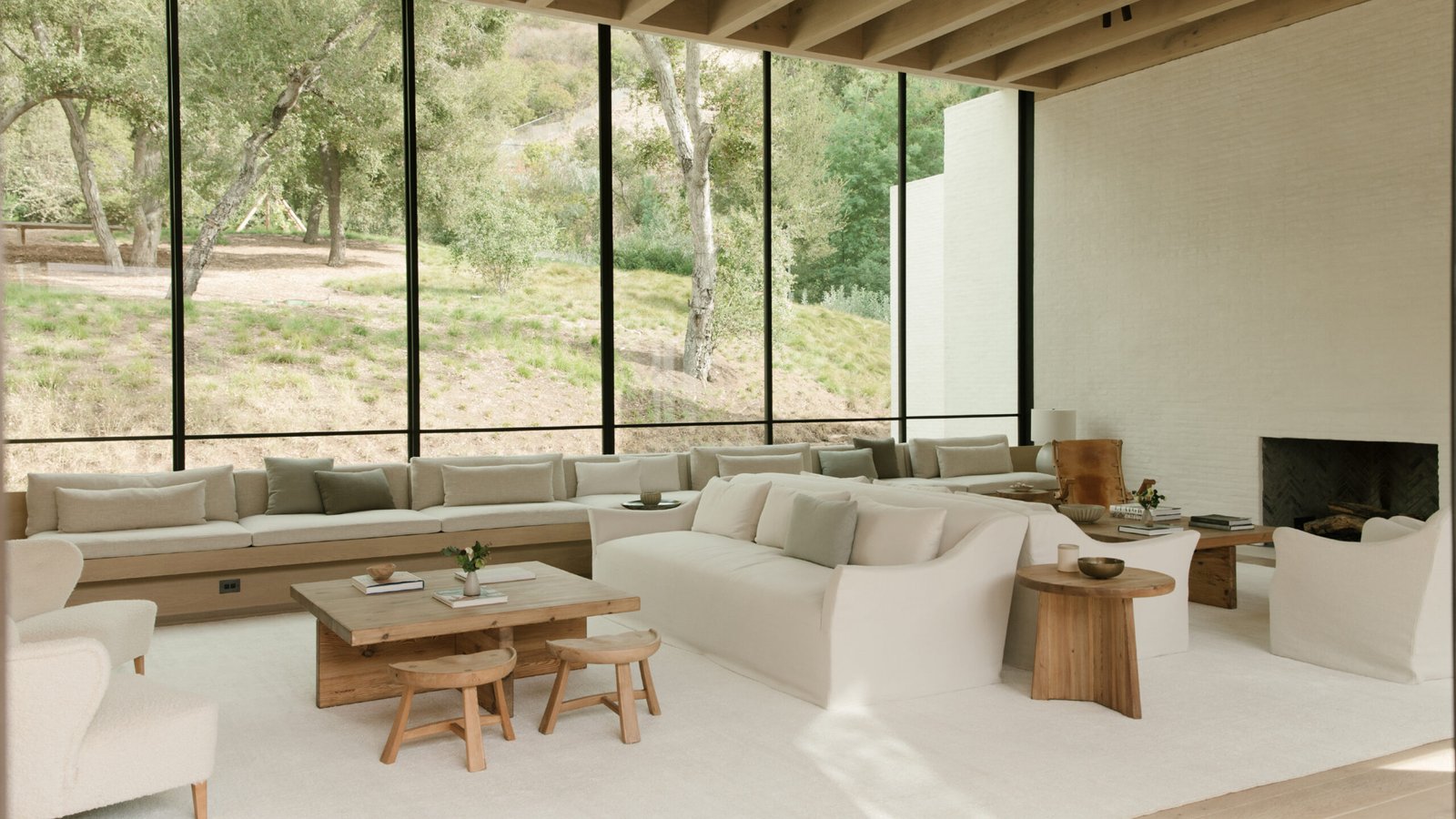
For decades, the concept of the family home has been romanticized as a place of ultimate rest and relaxation. However, for the modern mother, the home is often the exact opposite. It is the headquarters of domestic management, a bustling hub of constant activity, endless chores, and emotional labor. When a mother crosses the threshold after a long day at the office, she rarely clocks out; she simply begins her second shift. When holidays approach, families often try to alleviate this stress by rushing out to buy the perfect Gifts for mom. While these tokens of appreciation are beautiful and well-intended, true relief requires a more permanent structural change in how she experiences her living environment.
What if the most profound way to honor the mother figure in your life is not through a temporary physical item, but by giving her the gift of space? Creating a dedicated “home sanctuary”—an area specifically designed for her rest, reflection, and uninterrupted peace—is a powerful acknowledgment of her hard work. Here is a comprehensive guide on how to transform a portion of your house into a restorative haven tailored entirely to her needs.
The Psychology of Space and Stress
Environmental psychology tells us that our physical surroundings have a direct and measurable impact on our nervous system. Cluttered countertops, noisy open-concept living rooms, and visually chaotic spaces can elevate cortisol levels, keeping the brain in a low-grade state of “fight or flight.” For a mother who is already juggling multiple responsibilities, returning to a chaotic environment prevents her from ever fully down-regulating her nervous system.
A home sanctuary provides a physical and psychological boundary. It is a designated zone where the demands of family life are paused. Just entering a room that is quiet, organized, and aesthetically pleasing can immediately lower the heart rate and promote a sense of deep calm.
Step 1: Identifying Her Unique Needs
Before moving any furniture or buying paint, you must understand what “relaxation” looks like for her. A sanctuary is deeply personal and should be tailored to the activities that recharge her specific batteries. Have a conversation about her ideal downtime.
- The Introverted Reader: If she recharges by escaping into literature, her sanctuary might be a cozy corner with a high-quality reading chair, excellent directed lighting, and a small bookshelf.
- The Creative Spirit: If she loves crafting, painting, or writing, her space should be an organized studio area where she can leave her supplies out without the fear of them being disturbed or needing to be cleaned up for family dinner.
- The Wellness Seeker: If she prefers meditation, yoga, or simple quiet reflection, a minimalist space with floor cushions, natural light, and soothing elements like a small water feature or plants would be ideal.
Step 2: Choosing the Right Location
A sanctuary does not necessarily require an entire spare bedroom, though that is ideal if available. It can be a converted walk-in closet, a repurposed corner of a home office, or a sectioned-off area of the master bedroom. The critical factor is not the size of the space, but its separation from high-traffic family zones.
Avoid placing her sanctuary near the kitchen or the main living room where the television is usually on. If space is incredibly limited, you can use room dividers, folding screens, or even a strategically placed bookshelf to carve out a distinct visual boundary in a larger room.
Step 3: Designing for the Senses
A truly restorative space engages all five senses in a calming manner. Pay attention to the following design elements to maximize the relaxing effect:
Visual Serenity and Meaningful Decor
Color psychology plays a massive role in mood regulation. Opt for muted, natural tones like sage green, soft terracotta, or warm beige, which ground the nervous system. When it comes to decor, less is absolutely more. Avoid clutter. Instead, select a few meaningful pieces. High-quality, personalized wall art that features her favorite quote, an abstract landscape, or a subtle nod to her family can make the space feel deeply personal and intentional without being overwhelming.
Lighting and Acoustics
Harsh overhead lighting is the enemy of relaxation. Incorporate layered lighting using floor lamps, salt lamps, or dimmable sconces. Natural light is best during the day, so position seating near a window if possible. For acoustics, if the house is generally noisy, consider adding a white noise machine, a small smart speaker for playing ambient music, or heavy velvet curtains to absorb sound from other rooms.
Tactile Comfort
The sense of touch is incredibly grounding. Invest in high-quality textures. A plush rug underfoot, a chunky knit throw blanket, and supportive velvet or linen cushions can make the space feel incredibly luxurious and inviting.
Step 4: Establishing and Respecting Boundaries
The most beautifully designed sanctuary is useless if the family does not respect its purpose. This is often the hardest part of the process. Establishing the sanctuary means establishing a new set of household rules. When she is in that specific chair or that specific room, she is officially “off duty.”
Partners and children need to understand that unless there is a genuine emergency, she is not to be interrupted. This teaches children healthy boundaries and models the importance of self-care. It also requires the mother to practice letting go—trusting that the household will survive without her immediate intervention for an hour.
Conclusion
Designing a home sanctuary is an act of deep empathy and love. It goes far beyond the traditional concepts of gifting and cuts to the core of what modern mothers desperately need: a moment to breathe, a space to exist outside of their daily titles, and a quiet corner of the world that belongs entirely to them. By dedicating a physical space to her well-being, you are investing in her long-term happiness and the overall harmony of the home.
