
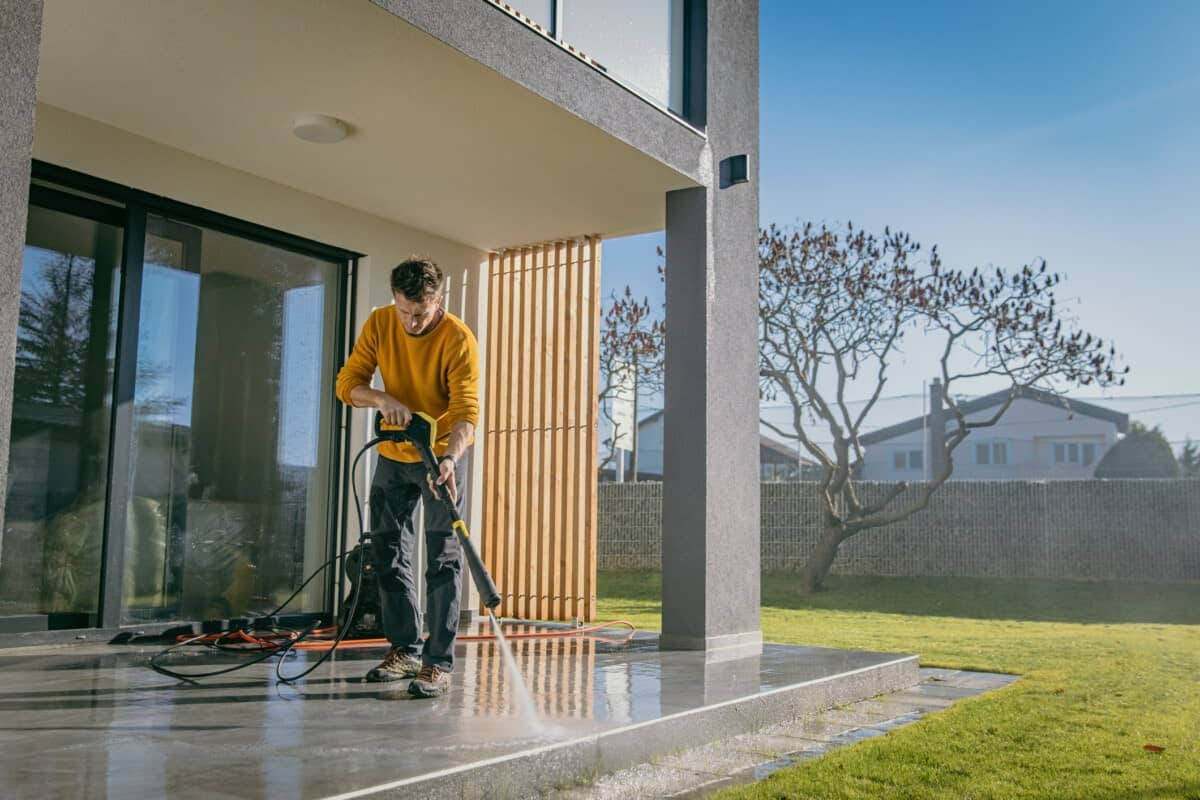
Keeping a property clean is essential for maintaining its appearance, value, and structural integrity. Over time, outdoor surfaces accumulate dirt, mold, mildew, algae, grease, and other contaminants that cannot be removed through ordinary cleaning methods. Driveways become stained with oil, siding gathers layers of dust and pollution, and patios lose their original color because of constant exposure to weather conditions. These issues not only make a property look neglected but can also cause gradual damage to building materials.
One of the most effective ways to restore outdoor surfaces is pressure washing. This cleaning method uses a powerful stream of water to remove stubborn dirt and debris from various surfaces. It is widely used for residential, commercial, and industrial properties because it delivers fast and noticeable results. When performed correctly, pressure washing can dramatically improve the appearance of a property while also protecting surfaces from long-term damage.
Understanding how pressure washing works, when it should be used, and which surfaces benefit most from it can help property owners make better decisions about exterior maintenance. With the right techniques and equipment, pressure washing becomes an efficient solution for maintaining cleanliness and preserving the condition of outdoor areas.
What Pressure Washing Is and How It Works
Pressure washing is a cleaning method that uses high-pressure water spray to remove dirt, grime, mold, loose paint, mud, and other unwanted materials from surfaces. The process involves specialized equipment known as a pressure washer, which pumps water at a significantly higher pressure than a standard garden hose.
The machine typically includes a motor or engine, a high-pressure pump, a hose, and a spray nozzle. Water flows through the pump and exits through the nozzle with tremendous force. This strong stream of water can break down layers of dirt and contaminants that have built up over time.
Pressure levels can vary depending on the type of surface being cleaned. Some delicate materials require lower pressure to prevent damage, while tougher surfaces like concrete or stone can handle higher pressure levels. By adjusting the nozzle and pressure settings, users can tailor the cleaning process to suit specific surfaces.
Another variation of this method is power washing, which uses heated water in addition to high pressure. The heat helps break down grease and stubborn grime more effectively, especially in areas exposed to heavy use.
Why Pressure Washing Is Important for Property Maintenance
Exterior surfaces are constantly exposed to environmental elements such as dust, rain, pollution, and sunlight. Over time, these factors cause buildup that can damage surfaces if not removed regularly. Pressure washing offers a quick and effective way to prevent these issues from becoming serious problems.
One of the biggest benefits of pressure washing is its ability to restore the original appearance of surfaces. Dirt and discoloration can make even well-maintained buildings look older than they actually are. A thorough cleaning can instantly brighten the exterior of a property and make it appear newer and more attractive.
Pressure washing also helps protect surfaces from deterioration. Mold, algae, and mildew often grow in damp areas such as siding, decks, and walkways. If left untreated, these organisms can gradually weaken materials and cause structural damage. Regular cleaning removes these harmful substances before they cause long-term harm.
Another important advantage is improved health and hygiene. Mold and mildew growth can contribute to poor air quality and trigger allergies or respiratory issues. Removing these contaminants helps create a healthier environment for residents, employees, and visitors.
In addition, maintaining a clean property through pressure washing can increase property value. Homes and commercial buildings that look clean and well-maintained tend to attract more buyers or customers. For property owners planning to sell or rent their space, exterior cleaning can significantly enhance curb appeal.
Common Areas That Benefit from Pressure Washing
Pressure washing can be used on many different exterior surfaces. Each surface may require specific pressure settings or cleaning techniques to achieve the best results without causing damage.
Driveways and sidewalks are among the most commonly cleaned areas. These surfaces often accumulate oil stains, tire marks, dirt, and debris. Pressure washing can remove these stains effectively, restoring the clean appearance of concrete or paving materials.
House siding is another area that benefits greatly from pressure washing. Over time, siding collects dust, mold, algae, and other pollutants that dull its color. Cleaning the siding not only improves appearance but also prevents the growth of damaging organisms.
Decks and patios also require regular cleaning because they are constantly exposed to weather conditions. Wood, composite, and stone surfaces can accumulate dirt, algae, and mildew that make them slippery and unattractive. Pressure washing removes these contaminants and prepares the surface for sealing or staining if necessary.
Fences are another exterior feature that can become discolored over time. Wooden or vinyl fences may develop stains or mold due to moisture and environmental exposure. Pressure washing restores their original look and extends their lifespan.
Roofs can also be cleaned using specialized pressure washing techniques. However, roof cleaning requires careful handling and often involves soft washing methods to avoid damaging shingles.
Residential Benefits of Pressure Washing
For homeowners, pressure washing offers numerous advantages that go beyond simple cleaning. One of the most noticeable benefits is the improvement in curb appeal. A clean driveway, bright siding, and spotless walkway create a welcoming appearance for guests and neighbors.
Regular cleaning also protects the investment homeowners have made in their property. Dirt, mold, and algae can cause gradual deterioration of exterior surfaces, leading to costly repairs or replacements. Pressure washing removes these harmful elements before they cause damage.
Homeowners preparing to sell their property often rely on pressure washing to enhance the overall appearance of the house. A clean exterior can significantly influence potential buyers’ first impressions. In many cases, a relatively simple cleaning project can help increase perceived property value.
Another benefit is safety. Algae and mildew growing on walkways, decks, and driveways can create slippery surfaces that increase the risk of falls. Pressure washing removes these hazards and helps maintain safer outdoor areas.
Commercial Advantages of Pressure Washing
Pressure washing is equally valuable for commercial properties. Businesses rely heavily on their exterior appearance to attract customers and create a professional image. Dirty sidewalks, stained parking lots, or mold-covered walls can leave a negative impression on visitors.
Regular pressure washing helps maintain a clean and professional appearance that reflects positively on a business. Restaurants, retail stores, office buildings, and hotels often schedule routine cleaning to keep their properties looking presentable.
Clean outdoor areas also improve safety for employees and customers. Removing grease, dirt, and debris from walkways reduces the risk of slips and accidents. In addition, maintaining clean surfaces can help businesses comply with health and safety regulations.
Commercial properties also experience higher foot traffic and exposure to pollutants than residential homes. Because of this, they may require more frequent pressure washing to maintain cleanliness and prevent long-term damage.
Best Times to Perform Pressure Washing
Although pressure washing can be performed at any time of the year, certain seasons are more suitable for this type of cleaning. Many property owners choose to schedule pressure washing during spring or early summer. During this time, winter dirt, salt, and debris have accumulated on outdoor surfaces and need to be removed.
Spring cleaning with pressure washing prepares outdoor areas for warmer weather and outdoor activities. It also allows homeowners to inspect surfaces for damage that may require repairs.
Autumn is another good time for pressure washing, particularly for removing leaves, dirt, and mildew before winter arrives. Cleaning surfaces before cold weather helps prevent moisture buildup that could freeze and cause damage.
However, pressure washing should generally be avoided during freezing temperatures because water can turn to ice and create safety hazards.
Pressure Washing Versus Traditional Cleaning Methods
Traditional cleaning methods such as scrubbing with brushes or using a garden hose often require significant time and effort. Even after extensive scrubbing, some stains and dirt may remain.
Pressure washing offers a faster and more efficient solution. The high-pressure water stream can reach deep into surface pores and remove dirt that manual cleaning cannot easily eliminate. This method saves time while delivering superior results.
Another advantage is reduced use of cleaning chemicals. In many cases, the power of the water alone is enough to remove stubborn grime. This makes pressure washing an environmentally friendly cleaning option when performed correctly.
Safety Considerations When Pressure Washing
While pressure washing is highly effective, it must be performed carefully to avoid damage or injury. The high-pressure water stream can cause harm if directed toward people, pets, or delicate surfaces.
Users should always wear protective equipment such as gloves and eye protection. The pressure washer should also be used according to manufacturer guidelines to prevent accidents.
Selecting the correct nozzle and pressure setting is essential for safe cleaning. Using excessive pressure on delicate surfaces like wood or painted materials can cause damage. Proper technique ensures surfaces are cleaned thoroughly without harming them.
For complex cleaning tasks, many property owners prefer to hire professionals who have experience handling pressure washing equipment safely.
Maintaining Clean Surfaces After Pressure Washing
After completing a pressure washing project, maintaining clean surfaces becomes easier with regular care. Sweeping debris from driveways and walkways prevents dirt buildup and keeps surfaces looking fresh.
Applying protective sealants to materials such as wood or concrete can also help preserve the results of pressure washing. Sealants protect surfaces from moisture, stains, and environmental damage.
Scheduling periodic pressure washing sessions ensures that dirt and contaminants do not accumulate again. For many residential properties, cleaning once or twice a year is sufficient to maintain a neat appearance.
Conclusion
Pressure washing is one of the most efficient and effective methods for cleaning exterior surfaces and maintaining the appearance of a property. By using powerful streams of water, this technique removes dirt, mold, mildew, stains, and other contaminants that traditional cleaning methods often cannot eliminate.
Regular pressure washing helps protect surfaces from damage, improves curb appeal, and creates a healthier environment by removing harmful organisms. Whether used for residential homes or commercial buildings, this cleaning method offers both practical and aesthetic benefits.
When performed with the correct equipment and techniques, pressure washing can dramatically transform the look of outdoor spaces. By incorporating this cleaning method into regular property maintenance, homeowners and business owners can preserve the value, safety, and beauty of their buildings for years to come.
