
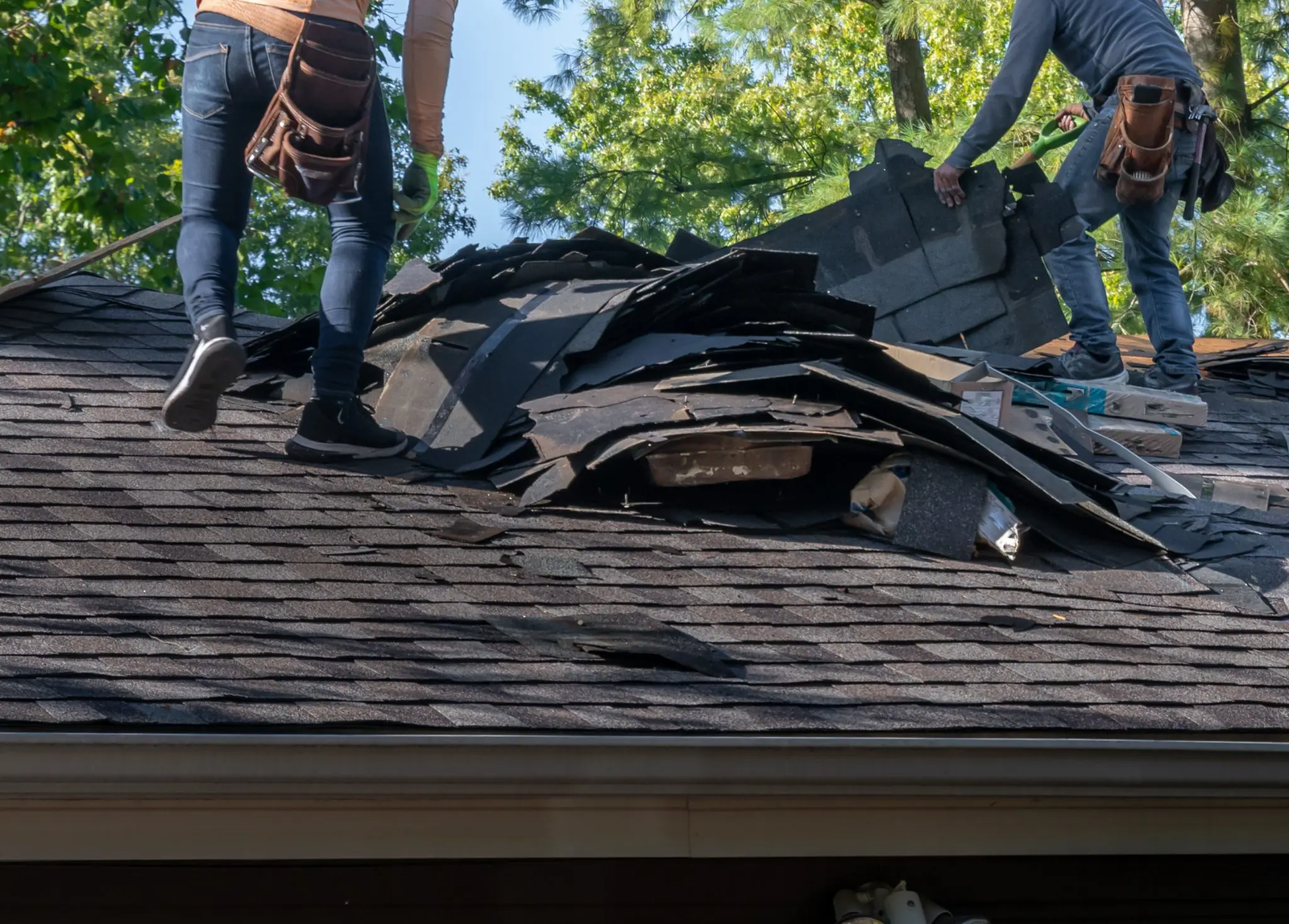
Understanding Storm Restoration
Storm restoration is an extensive process that involves repairing, rebuilding, and safeguarding properties that have been damaged by severe weather events, including hurricanes, tornadoes, hailstorms, and intense rainfall accompanied by high winds. The impact of such storms is often more significant than it initially appears, as immediate damage may be visible, but hidden structural weaknesses, water intrusion, and electrical hazards frequently develop over time, creating risks that can endanger both the property and its occupants. Storm restoration addresses these issues by combining thorough assessment, repair, and preventive measures, ensuring that buildings not only regain their original condition but are also reinforced against potential future storms. In many cases, storm restoration includes an evaluation of the property’s interior, exterior, and foundational integrity, as well as an assessment of the risks posed by water accumulation and mold growth, which can affect the health and safety of residents long after the storm has passed.
Key Steps in the Storm Restoration Process
The process of storm restoration is methodical, involving multiple stages designed to address both visible and hidden damage while restoring a property to a safe, fully functional state. The first step in storm restoration typically involves a comprehensive damage assessment conducted by trained professionals who examine all aspects of the property, including the roof, walls, foundation, plumbing, electrical systems, and interior finishes, in order to identify immediate hazards as well as less obvious weaknesses that could worsen if left untreated. Following this evaluation, emergency mitigation measures are implemented to prevent further damage, such as boarding up broken windows, covering compromised roofs with protective tarps, and removing standing water to reduce the risk of mold growth, structural deterioration, and electrical accidents. The storm restoration process also includes thorough debris removal and cleaning, as storm events often leave fallen trees, broken glass, damaged furniture, and other hazardous materials that must be safely cleared before repairs can begin. Once the property has been stabilized and cleared, structural repairs are undertaken, which may involve rebuilding roofs, reinforcing walls, repairing foundations, and replacing compromised beams, all aimed at restoring the structural integrity of the building while ensuring long-term durability. Equally important in storm restoration is water damage remediation, which requires specialized equipment such as industrial dehumidifiers, moisture meters, and water extraction systems to fully dry and treat affected areas, thereby preventing the development of mold and mildew that can create health risks and cause further deterioration. Finally, interior restoration addresses damage to flooring, walls, ceilings, and personal property, while ensuring that electrical, plumbing, and HVAC systems are returned to safe and functional conditions, followed by a final inspection to verify that all work meets safety standards and industry best practices.
Importance of Professional Storm Restoration Services
Storm restoration is a complex undertaking that requires specialized skills, tools, and experience to ensure a property is restored completely and safely. While property owners might be tempted to conduct repairs on their own, attempting DIY storm restoration or relying on unqualified contractors often results in incomplete repairs, missed damages, and heightened safety risks. Professional storm restoration services provide expertise in identifying structural weaknesses that are not immediately visible, efficiently performing water extraction and drying operations, handling hazardous materials safely, and documenting damages accurately to support insurance claims. Additionally, these services ensure that every aspect of restoration complies with safety standards, mitigating long-term risks to the property and its occupants. Employing professional restoration specialists not only accelerates the recovery process but also provides homeowners and businesses with confidence that their property is being restored thoroughly and correctly, reducing stress and avoiding costly mistakes that could arise from improper repairs.
Preventive Measures to Minimize Storm Damage
Although storm restoration is crucial after damage has occurred, it is equally important for property owners to take proactive steps to reduce the potential impact of future storms. Preventive measures can include regular roof inspections and reinforcement with storm-resistant materials to prevent leaks and structural compromise, trimming trees and managing landscaping to reduce the likelihood of fallen branches causing damage, and maintaining clean and functional gutters to prevent water accumulation and foundation issues. Additionally, sealing windows and doors properly helps to prevent water intrusion, while installing storm shutters provides protection against wind-borne debris and reduces the risk of broken glass. Incorporating these preventive strategies alongside professional storm restoration not only safeguards the property but also minimizes the time, effort, and cost required to address storm-related damages in the future, creating a comprehensive approach to property resilience that combines repair and prevention.
Common Challenges in Storm Restoration
Storm restoration is often complicated by a number of challenges that can affect both the timeline and the effectiveness of the restoration process. Insurance claims can be particularly problematic, as improper documentation of damages or delays in submitting claims may result in denied or reduced compensation, making it essential for property owners to work closely with licensed restoration specialists who can provide accurate records and guidance throughout the process. Hidden damages present another challenge, as water infiltration, weakened structural elements, or compromised electrical systems may not be immediately apparent, and if undetected, can escalate into more significant issues that require additional repairs. Health risks such as mold, mildew, and exposure to contaminated water also complicate storm restoration, necessitating immediate remediation to ensure the safety of occupants. Furthermore, supply chain delays in acquiring roofing materials, lumber, and specialized equipment after major storms can extend restoration timelines, requiring property owners and restoration teams to plan carefully and prioritize repairs according to urgency and safety needs. Understanding these potential obstacles allows property owners to make informed decisions, allocate resources efficiently, and rely on professional storm restoration services to manage complex situations effectively.
Long-Term Benefits of Storm Restoration
Investing in comprehensive storm restoration offers a wide range of long-term benefits that extend beyond immediate repairs. Restored properties are safer for occupants, reducing the likelihood of injuries or accidents caused by structural weaknesses or compromised systems, while maintaining property value by preventing deterioration and preserving market appeal. Modern storm restoration techniques often include improvements such as reinforced roofing, upgraded electrical systems, and moisture-resistant materials, enhancing the property’s resilience to future storms. Beyond the structural advantages, professional storm restoration provides peace of mind for property owners, as the assurance that a property has been thoroughly restored and reinforced alleviates the stress and uncertainty often associated with severe weather events. Ultimately, storm restoration is an investment in both the safety and longevity of a property, ensuring that it remains functional, secure, and aesthetically sound for years to come while reducing the potential for recurring damage.
Conclusion
Storm restoration in Rockland County, NY is an essential component of property management for anyone affected by severe weather events, encompassing a comprehensive process that addresses immediate damage, hidden risks, and long-term prevention. From meticulous damage assessment and emergency mitigation to structural repairs, water damage remediation, and interior restoration, professional storm restoration ensures that properties are returned to a safe, functional, and resilient condition. By combining expert restoration services with proactive preventive measures, property owners can protect their investments, maintain property value, and safeguard the health and safety of occupants. Proper storm restoration not only restores the property to its original condition but also reinforces it against the potential impact of future storms, providing peace of mind and long-term security.
