
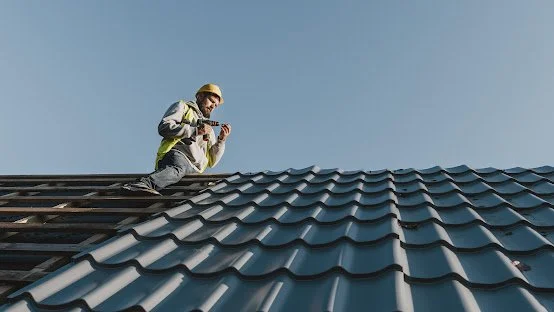
The roof of a building is much more than just a protective layer. It serves as a barrier against rain, wind, snow, and extreme sunlight while contributing to energy efficiency and overall structural integrity. Over time, however, roofs deteriorate due to exposure to weather, aging materials, and general wear and tear. Ignoring signs of damage can lead to leaks, structural decay, and costly repairs. When routine maintenance is no longer sufficient, a roof replacement becomes necessary. Understanding the process, selecting the right materials, and planning for long-term maintenance are crucial steps to ensure the durability and effectiveness of a new roof. Engaging a professional for a roof replacement ensures that the project is handled efficiently, safely, and according to industry standards, providing peace of mind and lasting results.
Identifying the Need for a Roof Replacement
Recognizing the signs that indicate a roof replacement is necessary can prevent further damage to a property and save significant expenses. One of the most obvious indicators is age. Most roofing materials, such as asphalt shingles, metal roofing, and tiles, have a limited lifespan. Asphalt shingles, for instance, generally last between 20 and 30 years, while metal roofs can endure 40 to 70 years. Tile roofs often last upwards of 50 years, depending on the material quality and environmental exposure. However, even if the roof is relatively young, damage from storms, improper installation, or underlying structural problems may necessitate replacement sooner.
Visible damage is another critical factor to consider. Missing or broken shingles, curling edges, cracks, sagging sections, or rusted metal components signal that the roof may no longer be providing adequate protection. In addition to surface issues, water infiltration is a significant concern. Leaks often manifest as stains on ceilings, damp spots in the attic, or water dripping inside the building. Ignoring these signs can lead to mold growth, rot, and structural weakening. In some cases, excessive moss or algae growth can accelerate deterioration, while energy inefficiency caused by an aging roof can increase heating and cooling costs, further signaling the need for replacement. A professional inspection is often the most reliable way to determine whether a roof replacement is necessary, as experienced contractors can identify hidden damage that is not visible from the ground, including problems with underlayment, decking, and ventilation.
Planning Your Roof Replacement
Planning is a critical step in ensuring a successful roof replacement. Without proper preparation, projects can experience delays, unexpected costs, or subpar results. Budgeting is the first consideration. Roof replacement costs vary widely based on the size of the roof, the materials selected, labor expenses, and the complexity of the roof design. Establishing a clear budget helps homeowners and property managers make informed choices, prioritize essential features, and avoid unnecessary expenses.
Timing is also an important factor. Weather conditions can significantly affect the installation process. Spring and early fall are generally optimal for roof replacement projects, but local climate conditions and seasonal rainfall should be considered to prevent delays and ensure proper installation. Additionally, some municipalities require permits for roof replacement or modifications, making it important to confirm local regulations before starting the project.
The design of the roof itself also influences planning decisions. The slope, pitch, and architectural style of the property determine which materials and installation techniques are most suitable. More complex roofs with multiple angles, dormers, or steep slopes require additional planning and labor, and these factors should be discussed with a professional roof replacement contractor to ensure a smooth process and high-quality results.
Selecting the Right Roofing Materials
One of the most important decisions in a roof replacement project is choosing the right material. Each type of roofing material has its own advantages, costs, and maintenance requirements. Asphalt shingles are among the most common choices due to their affordability, ease of installation, and wide variety of colors and styles. They generally last 20 to 30 years and provide reliable protection for most climates.
Metal roofing is another popular option, particularly in regions with heavy snow, high winds, or frequent storms. It is durable, energy-efficient, and can last up to 70 years. Metal roofs are available in multiple styles, including standing seam panels, corrugated sheets, and shingles designed to mimic traditional roofing materials. Tile roofs, made of clay or concrete, offer extreme durability, resistance to fire, and long service life, often exceeding 50 years. However, they are heavy and may require additional structural support. Wood shingles and shakes provide a natural, aesthetically appealing look and good insulation, though they demand more maintenance and are less fire-resistant unless treated. Modern synthetic materials, including composites and rubber-based products, offer lightweight, durable alternatives that mimic traditional materials while reducing maintenance needs.
A professional roof replacement contractor can evaluate your property, climate, and budget to recommend the material that best meets your long-term needs while ensuring both durability and aesthetic appeal.
The Roof Replacement Process
Roof replacement is a complex process that requires careful execution to ensure longevity and performance. It begins with a thorough inspection to assess the extent of existing damage and verify the structural integrity of the underlying decking. Any weaknesses or issues with the roof structure must be addressed before proceeding with the new installation.
The next step involves removing the old roofing material. This allows the contractor to inspect the decking and ensure that it is sound and free of rot or other damage. Repairs to the underlayment, flashing, and other structural elements follow. Once the structure is verified, an underlayment or protective barrier is installed to provide additional resistance against moisture, enhance insulation, and increase overall roof lifespan.
Following these preparatory steps, the chosen roofing material is installed according to manufacturer specifications and industry best practices. Shingles, tiles, or metal panels are carefully aligned, and all edges, seams, and penetrations are sealed to prevent leaks. The project concludes with the installation of flashing, vents, gutters, and other finishing elements, followed by a final inspection to confirm the quality and safety of the roof. Hiring an experienced roof replacement in Nolensville professional ensures that these steps are executed efficiently and with attention to detail, reducing the likelihood of future problems.
Safety Considerations
Roof replacement involves working at heights, handling heavy materials, and operating specialized tools, making safety a critical concern. Professional contractors follow strict safety protocols, including the use of harnesses, scaffolding, guardrails, and personal protective equipment. Attempting a DIY roof replacement without proper training can lead to serious injuries, property damage, and compromised installation quality. Ensuring safety for both workers and the property itself is a key reason to rely on trained professionals for any roof replacement project.
Costs and Budgeting Considerations
Understanding the factors that affect roof replacement costs helps property owners make informed decisions. The size of the roof is a primary factor, as larger surfaces require more materials and labor. Material selection also plays a significant role; premium options like slate, tile, or metal typically cost more upfront but offer longer lifespans and lower long-term maintenance. Roof complexity, including slopes, angles, and architectural features, increases labor costs and may require specialized equipment. Local labor rates and disposal fees for removing old materials further influence the overall budget. Investing in quality materials and professional installation may involve higher initial costs but often reduces future repair expenses and increases the lifespan of the roof, ultimately providing greater value over time.
Post-Replacement Maintenance
Even after a high-quality roof replacement, ongoing maintenance is essential to ensure long-term performance. Regular inspections are recommended to identify potential damage, particularly after storms or extreme weather events. Gutter cleaning and ensuring proper drainage prevents water accumulation that could damage the roof. Removing debris such as leaves, branches, and other organic matter reduces the risk of moisture retention and decay. Prompt repairs of minor issues, such as loose shingles or damaged flashing, can prevent them from developing into larger, costlier problems. Establishing a consistent maintenance routine ensures that the investment in a roof replacement remains protected and prolongs the service life of the new roof.
Choosing the Right Professional
Selecting the right professional for a roof replacement is essential to achieve a durable and reliable result. Homeowners should prioritize licensed and insured contractors with proven experience, strong customer references, and a commitment to safety and quality. Transparent quotes, attention to detail, and familiarity with the chosen roofing material are indicators of a reliable contractor. Working with an experienced professional ensures compliance with building codes, proper installation, and long-term protection, making the roof replacement process far less stressful and more predictable.
Long-Term Benefits of a Roof ReplacementWhile a roof replacement represents a significant investment, the long-term benefits are substantial. A new roof improves protection against weather-related damage, enhances energy efficiency through better insulation, and contributes to property value and curb appeal. Modern roofing materials and professional installation reduce maintenance needs and prevent recurring issues, saving time, effort, and expense over the years. Perhaps most importantly, a roof replacement provides peace of mind, knowing that your home or building is structurally secure, protected from the elements, and visually appealing for decades to come.
