
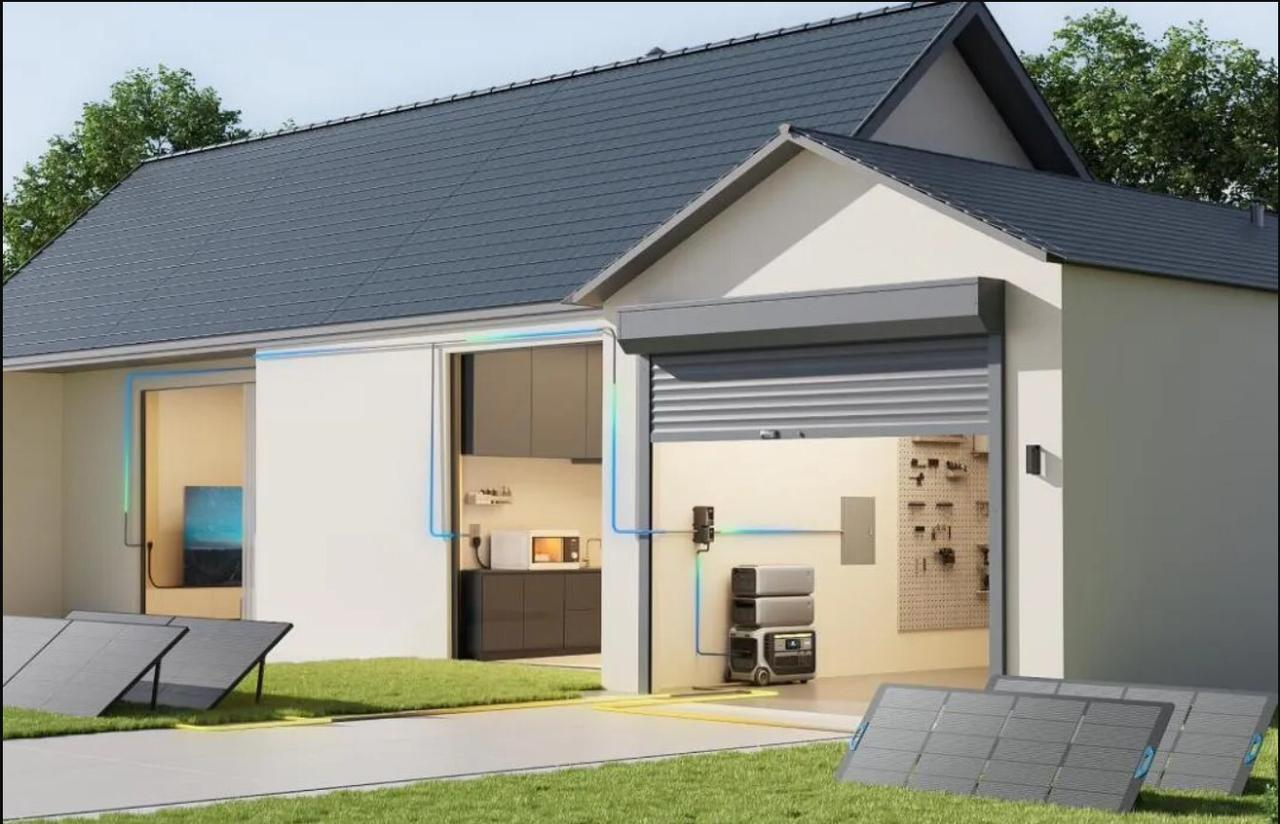
Installing a home generator ensures that critical systems remain operational during outages, providing peace of mind and comfort. Yet, without proper planning, common mistakes can lead to inefficiencies and safety hazards. This guide highlights key pitfalls to avoid, ensuring your generator installation is safe, effective, and aligned with best practices. From understanding power loads and optimal placement to navigating local codes and installing essential components, we cover it all. By avoiding these errors, you’re setting up a reliable backup power system that meets your home’s demands—think of Anker SOLIX E10, which offers robust performance with its expandable outputs.
Skipping a Detailed Power Load Calculation
Determining the power requirements for your home is crucial. Failing to accurately assess your energy needs could result in an inadequately sized generator, leading to moments of insufficiency when you most need stability.
Understanding Running and Surge Watt Requirements
A thorough power load calculation involves considering both running and surge wattages. Running watts are the continuous power required by appliances, while surge watts cover the temporary boost needed when devices start up. For example, an air conditioning unit might have a running wattage of 2000 watts but a surge requirement of 3200 watts. Evaluate these figures wisely, ensuring your generator, like the Anker SOLIX E10, is capable of handling both steady and peak loads. It provides 10kW turbo output for intense demands and 7.6kW continuous power for ongoing needs—a pivotal feature for your home’s backup strategy.
Identifying Essential Circuits for Backup Power
Identify which circuits are essential during an outage—such as refrigeration, heating, and lighting. Not every appliance needs power during an emergency; prioritize based on necessity and time of day. For round-the-clock reliability, a generator can cover whole-home peaks and constant power demands, especially when using optimal solutions like the expandable E10 system. With this approach, you eliminate overload risks while ensuring essential functions remain uninterrupted.
Poor Generator Placement and Ventilation
Where you position your generators for home affects their safety and efficiency. Poor placement could result in fumes entering your living space or jeopardizing its operational lifespan.
Installing Generators Too Close to Doors or Windows
When positioning your generator, maintain safe distances from openings to prevent exhaust gases from entering your home. Carbon monoxide is a silent risk; a misstep in placement could lead to dangerous exposure. To prevent such hazards, locate your generator far from windows and doors, adhering to a minimum of 20 feet to ensure adequate protection. Proper placement fortifies safety by dispersing noxious fumes away from living areas.
Ignoring Clearance, Noise, and Exhaust Safety
Install your generator with ample clearance from structures, allowing for maintenance access and adequate ventilation. Consider noise levels, as extended operations can disturb your environment. Furthermore, directing exhaust away from occupied spaces reduces health risks. Embrace systems like Anker’s, which promise operational efficiency while prioritizing user safety through strategic exhaust management—keeping functionality high and disturbances low.
Ignoring Local Codes and Permit Requirements
Neglecting local regulations can lead to fines, operational disruptions, or unsafe installations. Proper compliance is paramount for uninterrupted and lawful generator use.
Electrical Codes and Inspection Requirements
Adhering to electrical codes isn’t merely a formality; it’s a necessity for securing safe installations. Inspections ensure that your setup meets standards for connectivity and safeguards against electrical hazards. Employ a certified electrician to align your generator with these codes, eliminating the risk of penalties or future complications. Reliable systems integrate smoothly within local standards—an aspect exemplified by the Anker SOLIX E10’s seamless connectivity with residential electrical frameworks.
Zoning Laws and Placement Restrictions
Beyond electrical codes, zoning laws dictate where you can install generators. Placement restrictions may apply to protect community aesthetics and reduce noise pollution. Research local ordinances before installation to bypass legal obstacles and select locations that conform to zoning criteria. Compliance saves you from potential legal troubles while preserving the integrity of your neighborhood settings.
Forgetting Critical Components
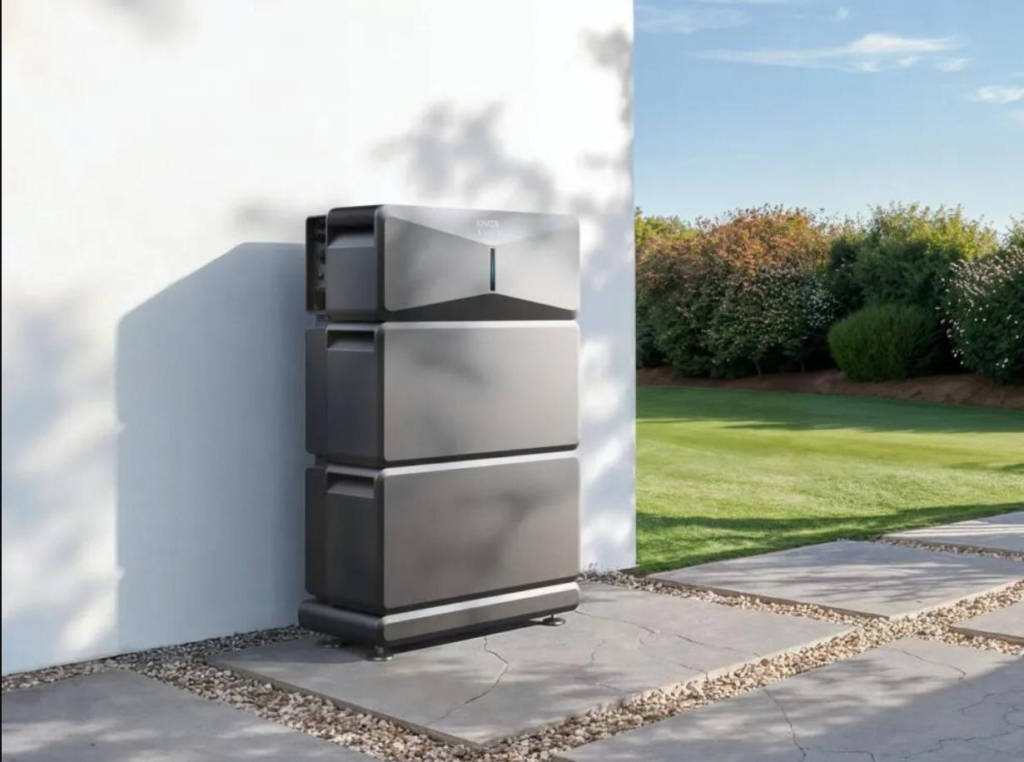
Omitting vital components like transfer switches can lead to serious safety issues and inefficient generator use.
Why Transfer Switches Prevent Backfeeding
A transfer switch is vital for safely transferring your power source during an outage. It prevents backfeeding, whereby electricity runs back into the grid, posing threats to utility workers. By installing a transfer switch, you guarantee safe power transitions, protect external linemen, and improve system reliability. This switch fortifies your backup installation against mishaps and optimizes resource deployment.
Safe Integration With Home Electrical Panels
Connecting a generator to your home requires thoughtful integration with existing electrical panels. Improper hookups could result in shorts or overloads. Utilize expert guidance to ensure that the integration is seamless, supporting safe energy flow throughout your residence. Systems like the Anker E10 are designed for optimal connectivity, enriching your power management effortlessly and securely.
Conclusion
Effective home generator installation requires meticulous planning and execution. Avoid shortcuts and pay attention to power calculations, placement considerations, regulatory adherence, and critical component installations. By avoiding these common mistakes, you ensure a reliable and safe backup power system tailored to your home’s needs. Systems like Anker SOLIX E10 provide scalable options for customization and performance, focusing on robust outputs and safe operability. Prioritize these features, ensuring every aspect of your installation supports long-term resilience and peace of mind during outages.
