
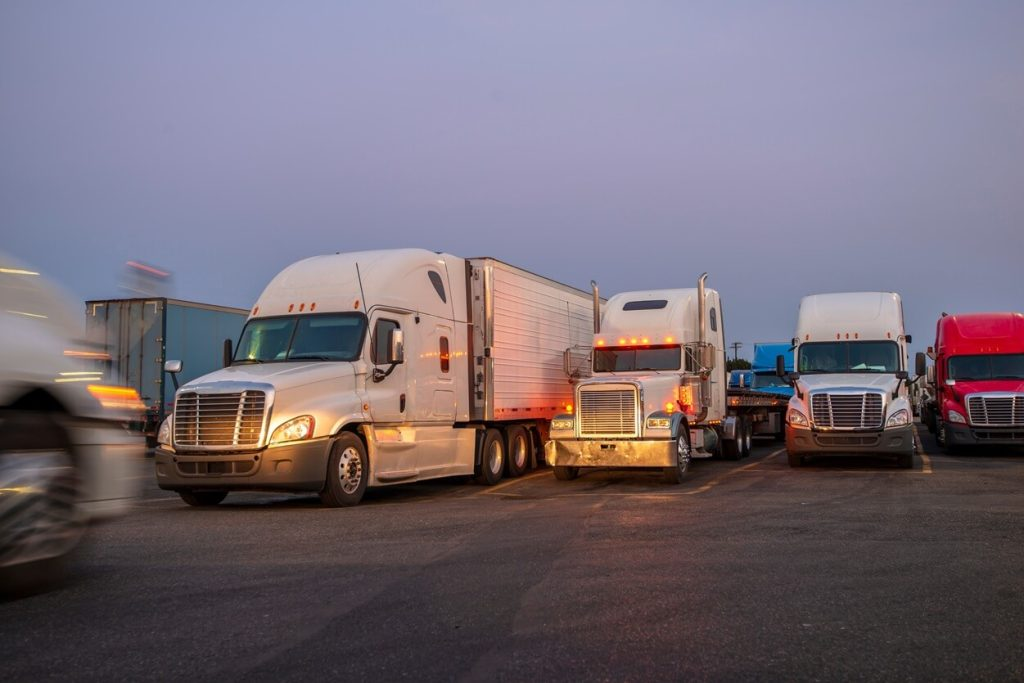
Commercial truck parking plays a critical role in the logistics and transportation industry. For truck drivers, fleet operators, and business owners, having safe, accessible, and well-managed parking facilities is essential to maintain compliance with regulations, ensure driver safety, and optimize operational efficiency. Despite the vital role it plays, commercial truck parking often receives less attention than other aspects of fleet management. Understanding the types of parking, regulations, safety considerations, and technological solutions is key to creating a system that benefits drivers, companies, and the communities where these facilities operate.
Truck parking is more than just a space to stop. It impacts scheduling, delivery efficiency, driver well-being, and even fuel consumption. Proper planning of commercial truck parking facilities ensures that vehicles have adequate space to maneuver, park safely, and access amenities such as restrooms, fueling stations, and maintenance services. Poorly designed or insufficient parking can lead to safety hazards, increased operational costs, and regulatory violations.
Importance of Commercial Truck Parking
Commercial truck parking is an essential component of the transportation ecosystem. Drivers face strict hours-of-service regulations that limit the number of hours they can operate a vehicle continuously. Access to reliable parking ensures that drivers can comply with these regulations while resting adequately, reducing fatigue-related accidents and improving overall safety on the roads.
For fleet operators and logistics companies, efficient parking solutions contribute to better route planning, reduced downtime, and lower operational costs. Adequate parking facilities can prevent congestion at delivery points, reduce the risk of fines for illegal parking, and allow for smoother coordination of loading and unloading activities.
Communities also benefit from organized commercial truck parking. Without proper facilities, trucks may be forced to park in unauthorized areas, blocking traffic, causing safety hazards, and creating environmental concerns such as noise and emissions. Well-planned parking facilities help integrate the trucking industry safely into urban and suburban areas.
Types of Commercial Truck Parking
Commercial truck parking comes in various forms, each designed to meet different operational and logistical needs:
Public Truck Stops
Public truck stops are strategically located along highways and major routes. They provide essential amenities, including fuel stations, restrooms, restaurants, and sometimes maintenance services. Public stops cater to long-haul drivers who need convenient access to basic services and legally compliant parking.
Private Fleet Parking
Companies with large fleets often maintain private parking facilities. These locations provide secure spaces for trucks when not in use, along with access to company-specific maintenance, fueling, and loading operations. Private parking ensures that vehicles are readily available for dispatch while maintaining security and operational efficiency.
Municipal or Regional Parking Facilities
Cities and regional authorities sometimes provide designated commercial truck parking areas to manage urban traffic and reduce congestion. These facilities often include overnight parking options and may enforce time limits or other operational rules to balance the needs of commercial drivers with local community concerns.
Terminal and Warehouse Parking
Logistics hubs, warehouses, and distribution centers frequently provide dedicated parking areas for commercial trucks. These locations are designed to handle high volumes of vehicles, facilitating smooth loading, unloading, and dispatching operations while minimizing wait times and operational delays.
Safety Considerations
Safety is a primary concern in commercial truck parking. Facilities must provide adequate space for large vehicles to maneuver without risk of collision or damage. Proper lighting, clear signage, and well-marked lanes are essential to ensure both driver and pedestrian safety.
Security measures, such as fencing, surveillance cameras, and access control, help protect vehicles, cargo, and personnel. Trucks often carry valuable goods, making secure parking critical to preventing theft, vandalism, and unauthorized access.
Environmental factors, including drainage, surface quality, and weather protection, also impact safety. Well-maintained pavement reduces the risk of accidents, while covered or sheltered areas can protect vehicles from severe weather conditions and prolong the lifespan of the fleet.
Regulations and Compliance
Commercial truck parking is subject to local, state, and federal regulations. Drivers must adhere to hours-of-service rules, which mandate rest periods to prevent fatigue-related accidents. Parking facilities must comply with zoning laws, accessibility requirements, and environmental regulations to operate legally and safely.
Proper documentation, such as parking permits or access credentials, is often required in private or restricted areas. Compliance ensures that parking operations remain legal, safe, and efficient for both drivers and facility operators.
Technology in Truck Parking
Technology has transformed commercial truck parking in recent years. GPS-enabled apps, real-time parking availability tracking, and reservation systems allow drivers to locate open spaces quickly, reducing the time spent searching for parking. Smart sensors and automated management systems help facility operators monitor occupancy, optimize space utilization, and improve security.
Some modern parking solutions integrate with fleet management software, allowing companies to plan routes more effectively and ensure drivers reach parking locations that align with hours-of-service requirements. These innovations reduce operational delays, lower fuel consumption, and enhance overall efficiency in the transportation network.
Challenges in Commercial Truck Parking
Despite advancements, commercial truck parking faces ongoing challenges. Limited availability, particularly in high-traffic areas or during peak times, can force drivers to park in unauthorized or unsafe locations. Urban expansion and increased freight demand further strain existing parking infrastructure.
Balancing driver convenience with community concerns, such as noise, congestion, and emissions, remains a complex issue. Effective planning, investment in infrastructure, and adoption of technological solutions are crucial to addressing these challenges and creating sustainable parking solutions for the commercial trucking industry.
Benefits of Efficient Truck Parking
Investing in well-designed commercial truck parking facilities benefits all stakeholders. Drivers gain access to safe and convenient spaces, supporting compliance with rest regulations and reducing fatigue. Fleet operators experience smoother operations, optimized route planning, and reduced vehicle wear and tear. Communities benefit from reduced congestion, safer streets, and better integration of freight operations into urban areas.
Properly managed parking facilities also extend the lifespan of trucks and cargo by providing secure storage and protection from environmental hazards. Overall, efficient commercial truck parking contributes to a safer, more reliable, and cost-effective transportation system.
Conclusion
Commercial truck parking is a vital component of the modern transportation and logistics ecosystem. Providing safe, accessible, and well-managed spaces for trucks ensures compliance with regulations, protects drivers, and enhances operational efficiency. From public truck stops to private fleet parking and warehouse facilities, each type of parking serves a unique purpose and requires careful planning, safety measures, and technological support.
By investing in infrastructure, embracing innovative technology, and adhering to regulations, stakeholders in the trucking industry can create parking solutions that meet the needs of drivers, fleet operators, and communities alike. Effective commercial truck parking is not merely about space; it is about safety, efficiency, and the seamless integration of freight transportation into daily life, supporting a reliable and thriving logistics network.
