
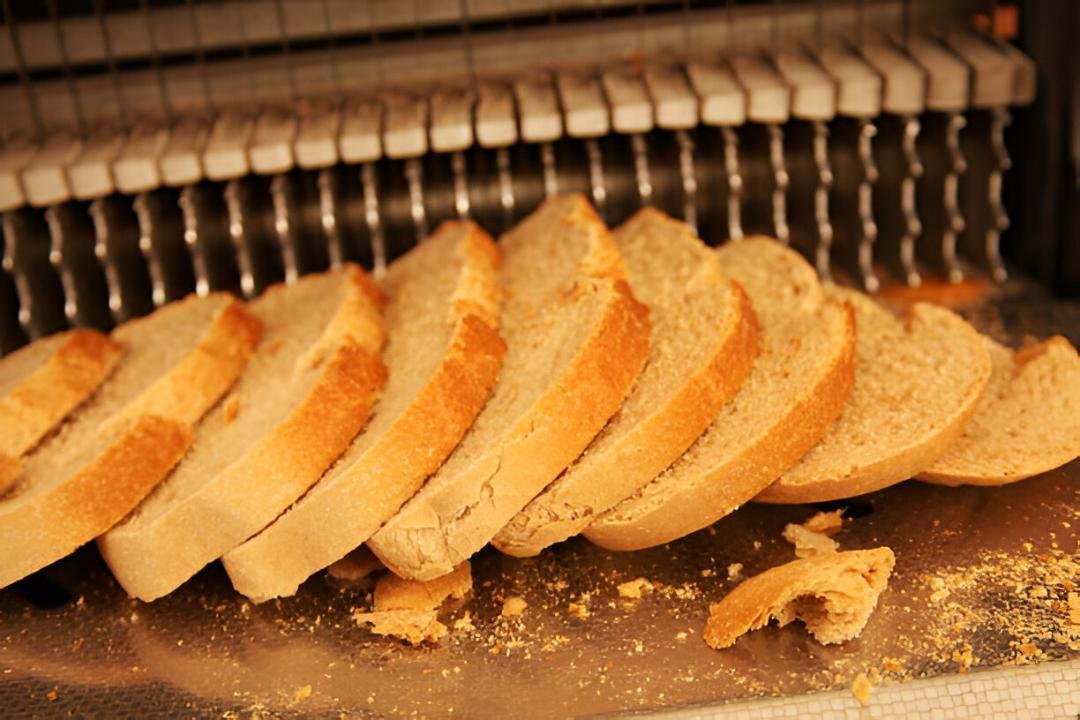
A dependable Bread Slicer is one of the simplest ways for a bakery to improve efficiency without changing recipes, adding more staff, or expanding the workspace. Many bakery owners try to grow by baking more loaves per day. But growth is not only about producing more—it is also about finishing, packing, and delivering more without creating chaos. And in many bakeries, slicing becomes the hidden step that slows everything down.
Labor costs are one of the biggest expenses in a bakery. Even small daily delays add up. If slicing takes too long, staff spend extra hours on repetitive work. If slicing is inconsistent, staff spend extra time fixing torn slices, cleaning crumbs, and repacking loaves. Over a month, this wastes money and reduces output.
This guest post is written with a different focus from the previous articles. Here we will look at slicing from a business and labor angle: how slicing affects staff time, productivity, daily output, and long-term scaling.
Why Labor Cost Control Matters for Bakeries
Most bakeries do not struggle because their bread is bad. They struggle because daily operations become expensive and hard to manage.
Labor affects:
- production speed
- packing time
- order accuracy
- delivery schedules
- overall profit margins
When bakery owners want higher profit, they often think about increasing prices. But price increases can be risky. A smarter approach is to improve efficiency and reduce wasted labor—especially in routine tasks like slicing and packing.
Manual Slicing Wastes More Time Than You Think
Manual slicing feels normal because it has been done for years. But when you calculate how much time it consumes, it becomes clear why it is expensive.
Manual slicing can create time waste through:
Slow cutting speed
Even with skilled staff, slicing many loaves takes time. During busy hours, this creates a bottleneck.
Re-slicing and fixing
If slices are uneven or torn, staff may try to “fix” the loaf. This adds extra minutes per loaf.
Extra cleaning
Crumbs spread on tables, floors, and packaging stations. Staff must clean more often.
Training issues
Knife slicing looks easy, but consistent slicing requires practice. New staff often slice unevenly, which increases waste.
When slicing is done as an open manual process, it becomes harder to control. And what you cannot control, you cannot optimize.
The Productivity Problem: Output Is Limited by Your Slowest Step
A bakery can bake hundreds of loaves, but if slicing and packing cannot keep up, the bakery still cannot deliver more.
This is a common situation:
- ovens can handle volume
- dough production is stable
- but slicing slows down packing and dispatch
That means your bakery output is not limited by baking capacity—it is limited by finishing capacity. Improving the finishing steps (especially slicing) is often the fastest way to increase real output.
How a Bread Slicer Supports Labor Efficiency
A bread slicer creates a controlled and repeatable process. Instead of depending on a person’s cutting speed and hand pressure, the machine supports consistency and speed.
A well-planned slicing setup can help:
- reduce slicing time per loaf
- reduce staff fatigue
- reduce the need for “fixing” slices
- reduce cleanup time
- improve packing speed
- stabilize daily workflow
When slicing becomes faster and more predictable, staff can focus on bagging, labeling, customer service, and other tasks that add more value.
Less Fatigue, Better Quality, Faster Work
In bakeries, fatigue changes quality. When staff are tired, mistakes increase. Slices become uneven, loaves get crushed, and crumbs increase.
Machine-supported slicing reduces repetitive cutting motion and helps maintain stable quality across the day.
Benefits for staff include:
- easier daily routine
- reduced strain on wrists and hands
- safer process compared to knives
- faster performance in busy hours
When staff experience less fatigue, output increases naturally. This is one of the most practical efficiency gains a bakery can achieve.
Where the Real Savings Come From
Many owners think savings come only from slicing faster. But real savings come from multiple areas at once.
1) Fewer damaged loaves
Uniform slicing reduces crushed ends and torn slices. Less damage means less waste.
2) Less crumb mess
Cleaner slicing creates fewer crumbs and reduces cleaning time.
3) Faster packaging
Uniform slices stack neatly and fit better in bags. Packing becomes smoother and faster.
4) More consistent portioning
Wholesale buyers often need consistent thickness. Consistency reduces complaints and reduces the time spent handling returns or rework.
Each of these areas saves time and money. Combined, the impact can be significant.
Scaling Up Without Hiring Too Fast
Hiring more staff can solve some problems, but it also increases cost, training time, and management complexity. Many bakeries prefer to improve efficiency first, then hire only when truly necessary.
Improving slicing is one way to scale without increasing labor too quickly. If slicing is no longer a bottleneck, your existing team can handle more volume.
This is especially useful for:
- bakeries planning wholesale growth
- bakeries expanding delivery routes
- bakeries launching packaged bread lines
- bakeries supplying stores or cafés
Better slicing helps you expand capacity without expanding the team at the same speed.
Choosing Equipment That Fits Your Daily Work
Labor efficiency depends on choosing equipment that matches your bread type and daily production.
Key considerations include:
Bread type
Soft bread needs gentle slicing to prevent compression. Crusty bread needs stronger blade performance.
Loaf size
Machines must support your loaf height and width to avoid jams and inconsistent slicing.
Cleaning routine
Easy cleaning saves staff time daily. If cleaning is hard, the machine becomes a burden.
Workflow placement
Placing slicing equipment near cooling racks and packaging stations reduces movement and time waste.
Efficiency is not only the machine. It is also how the machine fits into the workflow.
Why Equipment Supplier Experience Matters
Not all equipment is designed for real bakery conditions. A slicer must perform consistently under daily use: continuous crumbs, repeated operation, and regular cleaning cycles.
Professional equipment suppliers understand these needs. For example, mirabake.com is associated with bakery equipment solutions that support consistent production flow and real operational demands. Equipment designed with practical workflow in mind helps bakeries reduce labor pressure rather than create new maintenance challenges.
Choosing reliable equipment is part of controlling long-term operational costs.
A Business Upgrade That Pays Back Over Time
A slicer is not only an expense. It is a tool that can pay back through:
- reduced wasted labor hours
- improved packing speed
- reduced product loss
- improved wholesale reliability
- higher real output capacity
When a bakery becomes more efficient, it can produce more and deliver more with the same team. This improves profit without pushing staff too hard.
If your bakery is aiming to increase daily output and control labor costs, upgrading finishing steps can be one of the smartest moves. A dependable Bread Slicer can help remove bottlenecks, improve staff productivity, and support long-term growth.
Final Thoughts
In bakery operations, small daily inefficiencies become large monthly costs. Manual slicing often consumes more labor than owners realize, and it can silently limit output. By improving slicing consistency and speed, bakeries can reduce waste, decrease staff fatigue, and improve overall workflow.
When slicing becomes a controlled process, packing becomes faster and production becomes easier to scale. For bakeries that want sustainable growth without constant hiring pressure, investing in the right finishing equipment can be a practical, long-term decision.
