
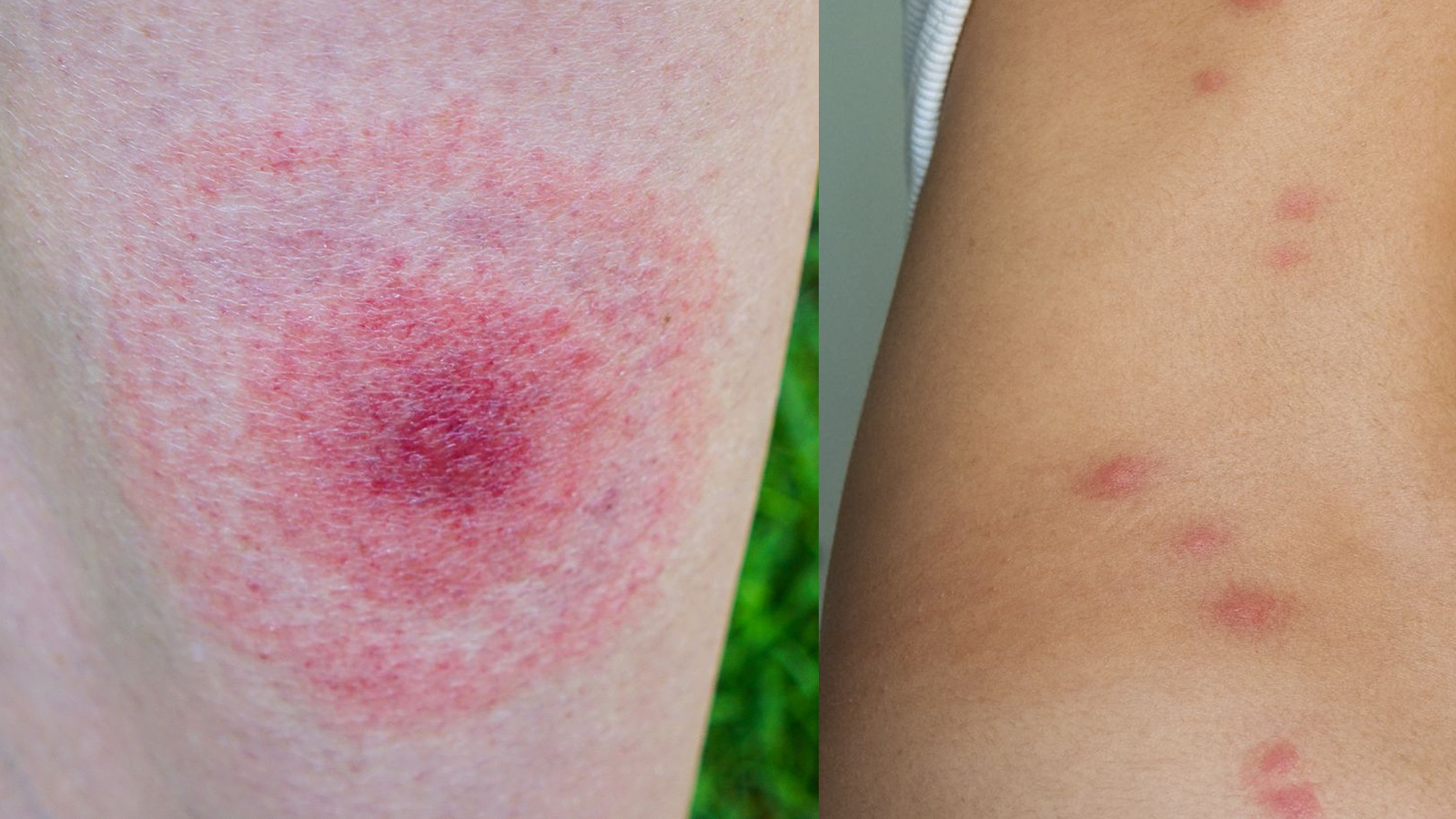
When you wake up with itchy red marks, it’s all too easy to assume the worst — spiders, bugs, something hidden in the carpet — but the truth is a lot less dramatic. In the UK, spider bites get blamed far more often than they actually occur, and the real culprit is usually something much more common and far more persistent: fleas.
Misidentifying bites isn’t just inconvenient, it can send you down the wrong treatment path — costing time, money, and a good night’s sleep. The good news? Once you understand the patterns, the environmental clues, and the real behaviour of common biting insects, you can quickly narrow down what’s actually biting you or your family.
Why Flea Bites Are Frequently Mistaken
Flea bites are one of the most common forms of insect bites reported in homes across the UK, yet they’re often mislabelled as spider bites. That confusion makes sense on the surface — both can leave red marks, they can itch, and many people don’t see the insect that caused them.
So what’s really going on?
Flea bites generally:
- Appear on the lower legs, feet, and ankles, because that’s where fleas reach when they jump.
- Occur in clusters or groups, often in a rough line or random patch.
- Cause intense itching, which can linger and lead to scratching damage.
- Show up after contact with carpets, soft furnishings, or pets.
If you’ve got cats or dogs (or have had them recently), that’s a major clue. Fleas hitch a ride on pets, live in carpets and bedding, and jump directly onto exposed skin. They don’t need to bite hundreds of times a day, but when they do, the pattern is distinctive.
Now consider spiders. In the UK, most species are shy, small, and not inclined to bite humans at all unless they’re trapped against the skin (for example, in clothing or bedding). A misinterpreted bump or itch doesn’t mean a spider has bitten you — chances are far higher you’re dealing with something else.
This is why accurate identification matters so much: recognising the true source of bite marks stops unnecessary worry and gets you on the right solution path faster.
Spot the Difference: Flea Bite or Spider Bite?
Comparing the two directly helps clear up the misconception.
Flea bites usually:
- Appear in clusters or several marks close together.
- Are mostly on the ankles, legs, and feet.
- Itch intensely, especially at night.
- Are linked to environments where pets roam.
Spider bites (rare in UK homes):
- Tend to be single bites, not clusters.
- May cause a small red mark and slight swelling.
- Are more likely when a spider is accidentally pressed against skin.
- Do not occur repeatedly over a wide area.
If you’d like a deeper visual and symptom comparison, our guide on spider bite or flea bite walks through the key differences step by step.
Patterns, Clues, and What Misses the Eye
Bites on your skin are only one piece of the puzzle. The environment tells a lot more about what’s happening.
Here’s how you can use context to rule in or rule out likely causes:
Pet Habits
Have your pets been scratching more, especially around their back and neck? Flea infestations often show up as scratching, hair loss, or restlessness in animals before humans notice anything.
Carpets & Soft Furnishings
Fleas love warm, soft places — carpets, rugs, pet beds, and upholstered furniture are ideal breeding grounds. Vacuuming may pick up visible adults, but eggs and larvae hide deep in fibres.
Timing of Bites
Flea bites often appear or get stronger after lying down or resting. Spider bites don’t follow a pattern like this and are generally isolated.
Other House Hold Clues
Look for tiny black specks (flea dirt) in areas your pets frequent — that’s a strong indicator fleas are present.
Spider sightings, webs in corners, and random isolated marks on skin don’t automatically point to spider bites. In fact, UK spiders are more likely to scuttle away than bite.
Other Frequently Mislabelled Bites in the UK
It’s not just fleas and spiders that get mixed up. Other insects and conditions can cause marks that look suspicious:
Bed Bugs
- Leave a trail of bites in a line or row.
- Often bite exposed areas during sleep.
- Can easily be mistaken for flea bites — but bed bugs usually bite higher on the body.
Mosquitoes
- Cause puffy, itchy bumps.
- More common after outdoor exposure.
Midges
- Tiny biting flies more active in rural or marshy areas.
- Can leave multiple itchy marks.
Mites
- Can cause a rash or widespread irritation, less defined than isolated bites.
Each has distinguishing characteristics — and the pattern, location, and environmental context help determine who the real culprit is.
Why Getting It Right Matters
Misidentifying a bite can lead to actions that don’t fix the problem.
For example:
- Assuming a spider bit you could lead you to spray areas for spiders that aren’t even there.
- Treating for spider bites won’t eliminate fleas hiding in the carpet or pet bedding.
- Worrying that your home is “infested with spiders” can cause unnecessary stress.
- DIY sprays and treatments without targeting the right pest often waste time and money.
Accurate identification saves all of the above. When you know exactly what’s biting, you can choose the right treatment, protect your household properly, and resolve the issue quickly.
Practical Steps After Identifying the Bites
Here’s a simple roadmap once you suspect you’re dealing with bites that aren’t spiders:
- Confirm the pattern and location — are they clustered or isolated? Lower legs or random across arms?
- Check pets and their bedding — look for signs of scratching or flea dirt.
- Inspect carpets and soft furnishings — vacuum thoroughly and consider treatment if fleas are suspected.
- Use effective targeted treatments — products designed for fleas, bed bugs, or other specific pests.
- Monitor bite patterns — if they persist or spread, an expert assessment can pinpoint the cause in minutes.
When to Call in Pest Control
If bites persist despite your efforts, it’s time to get professional help. Fleas, bed bugs, and other biting pests can hide deep in fibres and cracks — and trying to treat large infestations without the right tools and expertise often prolongs the problem.
At Bugwise Pest Control, we help homeowners accurately identify the source of bites, determine whether fleas, bed bugs, or something else is responsible, and provide targeted treatments that actually work.
Understanding what’s biting you isn’t guesswork. With the right clues and guidance, you can stop the cycle of itching and worry — and get back to feeling comfortable in your own home.
