
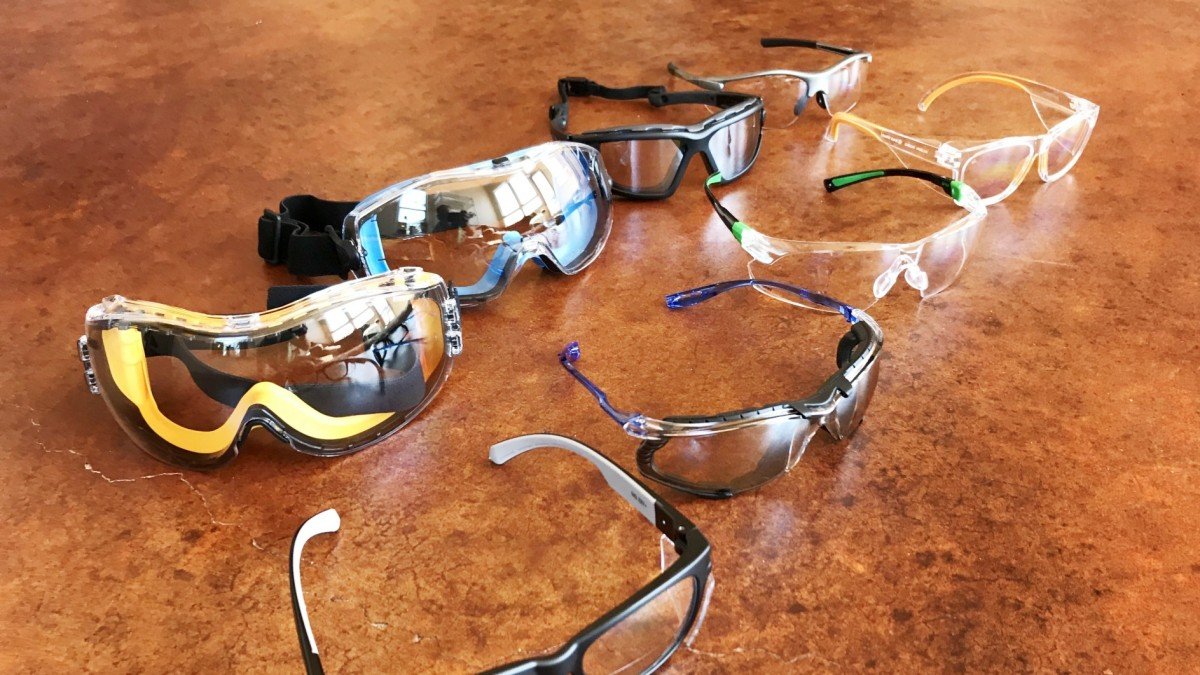
In today’s work environments, from construction sites to laboratories, eye safety is not just recommended. It is essential. With new materials and safety standards emerging each year, choosing the right pair of safety glasses can feel overwhelming. Whether you need protection for industrial work, home projects, or hazardous environments, understanding what to look for will help you select eyewear that keeps your eyes safe and comfortable.
This guide explains the top features to consider, highlights the best safety glasses options in 2026, and shows you how to choose the right pair for your needs.
Why Safety Glasses Are Essential
Eye injuries can happen in seconds. Without proper protection, the damage can be serious or even permanent. Safety eyeglasses are specifically designed to shield your eyes from dust, debris, sparks, chemical splashes, and harmful radiation. They are tested under strict standards to ensure impact resistance and reliable coverage.
However, not all safety eyewear is created equal. It is important to understand the different types of safety glasses available and how each one serves a specific purpose.
Key Features to Look For
Before purchasing safety glasses, consider these important factors:
1. Safety Certification
Look for eyewear that meets ANSI Z87.1 standards in the United States or EN166 standards in Europe. These certifications confirm that the glasses have passed high impact and durability tests.
2. Lens Material
Polycarbonate lenses are lightweight and highly impact resistant, making them the most popular choice for safety glasses. Trivex lenses provide similar protection with improved optical clarity. Glass lenses are more scratch resistant but heavier and less impact resistant compared to polycarbonate.
3. Coverage and Fit
Wraparound designs offer better side protection and reduce the risk of debris entering from the edges. Adjustable nose pads and flexible temples improve comfort, especially during long hours of use.
4. Lens Coatings and Tints
Clear lenses work well indoors, while tinted lenses are better for outdoor environments. Anti fog coatings help maintain clear vision in humid conditions. Scratch resistant coatings extend the life of your eyewear.
Best Types of Safety Glasses in 2026
Here are some of the most reliable options this year:
Industrial Wraparound Safety Glasses
These glasses provide extended side coverage and strong impact resistance. They are ideal for construction, metalwork, and woodworking environments.
Best for construction workers, carpenters, and mechanics
Strong protection against flying debris
Lightweight Comfort Safety Glasses
Designed for extended wear, these glasses focus on ergonomic comfort while maintaining protection standards.
Best for laboratory staff and technicians
Comfortable for long shifts
Anti Fog Safety Glasses
Fogging can reduce visibility and create hazards. Anti fog lenses help maintain clear vision in warm or humid environments.
Best for healthcare settings and indoor industrial use
Reduces vision obstruction
Outdoor UV Protection Safety Glasses
Outdoor workers benefit from safety glasses that combine impact resistance with UV protection. Polarized lenses reduce glare and improve visibility in bright sunlight.
Best for landscapers, agricultural workers, and surveyors
Provides UV400 protection
Chemical Splash Goggles
For environments involving liquid hazards, sealed goggles offer complete protection from splashes and airborne particles.
Best for laboratories and chemical facilities
Provides full eye sealing protection
Matching Safety Glasses to Your Environment
Different work environments require different protection levels.
Industrial sites require high impact resistance and full side coverage. Laboratory environments demand splash protection and anti fog features. For home improvement projects, basic impact resistant glasses are usually sufficient but still necessary.
If you are unsure which style suits your needs, reviewing resources about the different tyoes of safety glasses can help you make a more informed decision.
Maintenance Tips
To ensure your safety glasses remain effective:
Clean lenses with a microfiber cloth and approved lens cleaner.
Store them in a protective case when not in use.
Inspect regularly for scratches, cracks, or loose parts.
Damaged lenses should be replaced immediately to maintain proper protection.
Final Thoughts
Choosing the best safety eyeglasses in 2026 requires understanding your work environment and selecting eyewear that meets certified safety standards. Comfort, durability, lens type, and coverage all play a role in ensuring proper protection.
Investing in high quality safety glasses is not only about meeting workplace regulations. It is about protecting your vision for the long term and maintaining clear, safe eyesight in every situation.
