
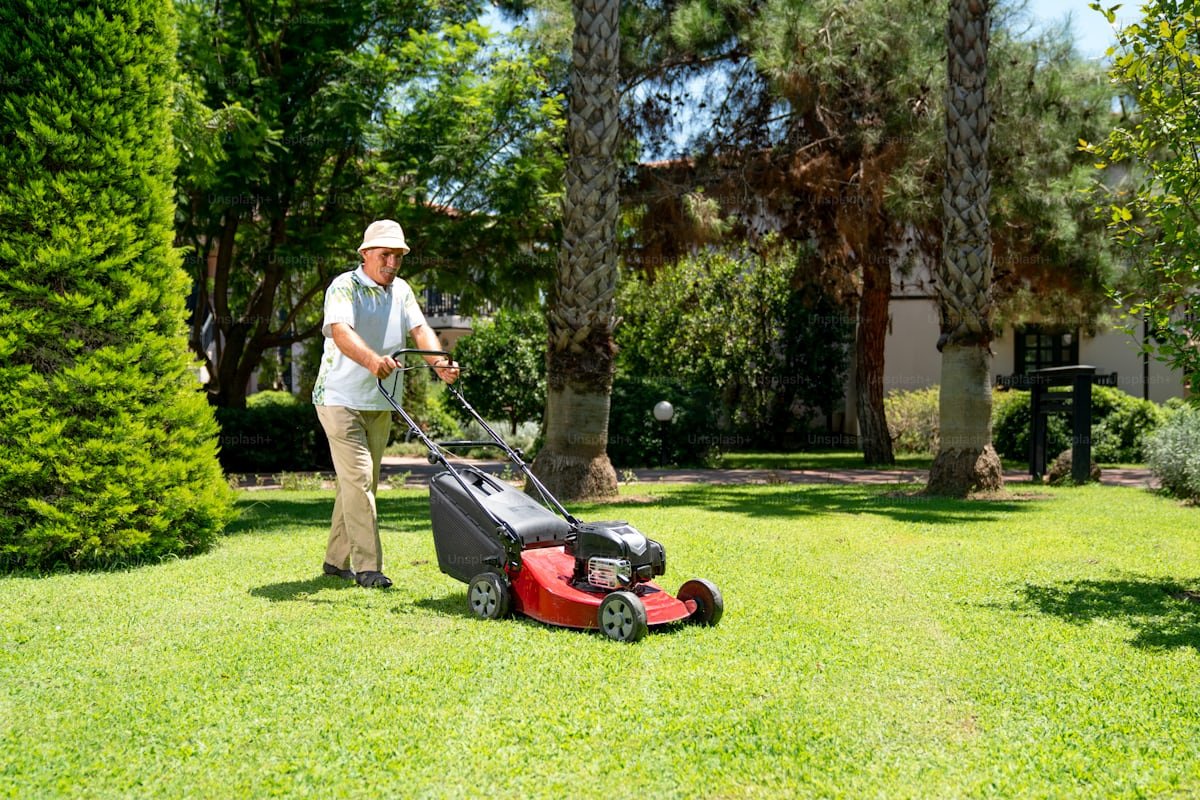
A healthy, green lawn doesn’t happen by accident. Whether it’s the space where your kids play, where you host weekend barbecues, or simply the first thing people see when they pass your home, your lawn reflects the care you give it.
For beginners, lawn maintenance can feel overwhelming. Fertilisers, soil conditioners, weed control, watering schedules—there’s a lot to consider. The good news? Once you understand the basics and how seasons affect grass growth, maintaining a lawn becomes much more manageable.
Let’s walk through the essentials in a simple, practical way.
Understanding What Your Lawn Really Needs
Grass is a living plant, and like any plant, it needs the right balance of sunlight, water, air, and nutrients.
The condition of your lawn depends heavily on soil health. Soil provides the foundation for root growth, nutrient absorption, and drainage. If soil becomes compacted or nutrient-depleted, grass struggles to thrive.
To better understand how nutrients affect plant growth, it helps to know what a fertilizer does. Fertilisers supply essential nutrients—mainly nitrogen, phosphorus, and potassium—that support healthy leaves, strong roots, and resilience against stress.
But fertiliser alone isn’t enough. Good lawn care combines the right products with smart seasonal timing.
Essential Lawn Care Supplies for Beginners
When starting out, you don’t need an entire shed full of equipment. Focus on these core items:
1. Quality Lawn Fertiliser
A balanced lawn fertiliser supports steady growth and vibrant colour. Slow-release options are particularly helpful for beginners because they feed gradually over time.
Apply according to label instructions and avoid overuse. Too much fertiliser can burn grass and cause uneven growth.
2. Soil Conditioner or Wetting Agent
In many parts of Australia, soil can become hydrophobic—meaning it repels water. Wetting agents help water penetrate more evenly, improving absorption and reducing runoff.
If you’ve ever noticed water pooling on your lawn rather than soaking in, this product may help.
3. Lawn Spreader
For even application of granular fertilisers, a lawn spreader is extremely useful. It ensures consistent coverage, preventing patchy growth.
Think of it like spreading flour evenly while baking. Consistency leads to better results.
4. Aeration Tools
Compacted soil restricts airflow and root development. Aeration tools help loosen soil, allowing nutrients and water to reach deeper into the ground.
Even simple manual aerators can make a noticeable difference.
Seasonal Lawn Maintenance: A Simple Breakdown
Grass behaves differently depending on the time of year. Understanding seasonal cycles makes lawn care easier and more effective.
Spring: Growth and Recovery
Spring is when lawns wake up from winter dormancy. It’s the ideal time to fertilise, repair patchy areas, and encourage fresh growth.
Apply a balanced fertiliser early in the season to kickstart development. Aeration can also help revive compacted soil after cooler months.
This is similar to warming up before exercise—you’re preparing your lawn for active growth.
Summer: Maintenance and Hydration
In warmer months, lawns require consistent watering. However, overwatering can be just as harmful as underwatering.
Water deeply but less frequently to encourage strong root systems. Light feeding during summer can maintain colour, but avoid heavy fertilising during extreme heat.
Mowing height also matters. Cutting grass too short increases stress and reduces drought resistance.
Autumn: Strengthening Roots
Autumn is a critical period for building resilience. Applying fertiliser focused on root strength helps prepare grass for cooler months.
This stage isn’t about rapid growth—it’s about strengthening the foundation.
Removing fallen leaves and maintaining airflow also prevents disease buildup.
Winter: Minimal Intervention
Most lawns grow slowly in winter. Heavy fertilising isn’t necessary.
Instead, focus on basic maintenance—clearing debris and avoiding excessive foot traffic on frosty grass.
Allow your lawn to rest and recover naturally.
Matching Products to Australian Conditions
Climate plays a significant role in lawn care. Australian conditions vary widely, from humid coastal areas to dry inland regions.
Choosing products designed for local soil and climate conditions improves results. For example, lawns in hotter climates may benefit from wetting agents and heat-tolerant fertiliser blends.
If you’re exploring options tailored to regional conditions and different grass types, browsing lawn care supplies Australia can help you compare seasonal treatments, soil improvers, and maintenance essentials suited for various environments.
Having access to targeted solutions simplifies decision-making.
Avoiding Common Beginner Mistakes
Many new homeowners make similar mistakes:
- Fertilising too frequently
- Ignoring soil compaction
- Watering lightly every day instead of deeply
- Mowing too short
- Applying products at the wrong time of year
Consistency and moderation are key. Lawn care isn’t about quick fixes—it’s about steady improvement over time.
If something looks off, observe before reacting. Yellowing grass might indicate nutrient deficiency—or simply overwatering.
Patience often yields better outcomes than aggressive treatment.
Real-World Example: Building a Better Lawn
Imagine a family moving into a new home with a patchy, uneven lawn.
In spring, they begin with aeration and apply a balanced fertiliser. They use a spreader to ensure even coverage. During summer, they adjust their watering schedule to deeper, less frequent sessions. In autumn, they apply a root-strengthening fertiliser to prepare for cooler weather.
Within a year, the lawn looks noticeably fuller and healthier.
The improvement didn’t come from drastic measures—it came from seasonal consistency and the right supplies.
Final Thoughts
Lawn care doesn’t require expert knowledge—just a basic understanding of plant health, seasonal timing, and the right tools.
Start with essential supplies, follow seasonal patterns, and pay attention to your lawn’s responses. Over time, you’ll learn what works best for your specific space.
A well-maintained lawn adds comfort, curb appeal, and usable outdoor space to your home. With thoughtful product choices and steady maintenance, even beginners can achieve strong, healthy grass year-round.
Gardening is a journey—and your lawn is simply one of its most rewarding chapters.
