
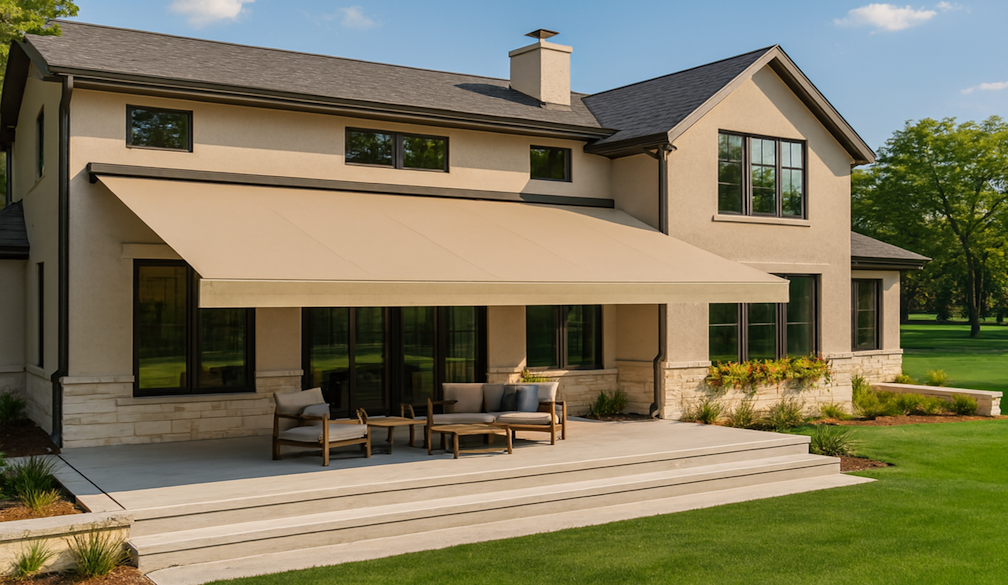
Awnings are a versatile and practical addition to residential and commercial properties, offering protection from the elements while enhancing architectural appeal and functionality. Whether installed over windows, doors, patios, or storefronts, awnings serve as both decorative and protective features that improve outdoor usability and indoor comfort. With advancements in materials, design, and automation, modern awnings have evolved beyond simple shade structures into sophisticated systems that provide energy savings, weather resistance, and aesthetic value.
Property owners increasingly recognize the benefits of installing awnings as a cost-effective way to expand usable space, reduce heat gain, and create inviting outdoor environments. By providing shade and shelter, awnings allow homeowners to enjoy patios and decks during hot summer days while protecting interiors from excessive sunlight. Businesses benefit from increased curb appeal and enhanced customer comfort, particularly in restaurants and retail settings where outdoor seating and shaded entrances create welcoming atmospheres. With numerous styles, materials, and configurations available, awnings can be tailored to meet diverse functional and design needs.
Understanding the Purpose of Awnings
At their core, awnings are secondary coverings attached to the exterior walls of buildings, typically composed of a lightweight frame covered with fabric, aluminum, or other durable materials. Their primary purpose is to provide shade and shield against weather elements such as sun, rain, and light wind. By blocking direct sunlight, awnings help regulate indoor temperatures, reducing reliance on air conditioning systems and lowering energy consumption. This energy efficiency contributes to both cost savings and environmental sustainability.
Beyond their functional role, awnings significantly enhance the visual appeal of a property. They introduce texture, color, and dimension to otherwise plain façades, allowing property owners to customize their exterior appearance. In commercial settings, branded awnings can display logos, names, and contact information, serving as both shelter and marketing tools. The combination of practicality and aesthetic enhancement makes awnings a valuable investment for improving property usability and attractiveness.
Types of Awnings for Residential and Commercial Use
Awnings are available in a wide range of styles designed to accommodate different architectural layouts and functional requirements. Retractable awnings are among the most popular choices for residential properties, as they provide flexibility in controlling sunlight and shade. These systems can be extended when shade is needed and retracted during cooler weather or storms. Modern retractable awnings often include motorized controls and weather sensors, offering convenience and automated protection.
Fixed awnings, also known as stationary awnings, remain permanently extended and are typically constructed with sturdy frames and weather-resistant materials. They are commonly installed over windows, doors, and storefronts to provide consistent protection and visual appeal. Fixed awnings are ideal for areas where year-round coverage is desired, offering durability and structural stability.
Freestanding awnings provide shade in open areas such as gardens, pool decks, or outdoor dining spaces where wall-mounted options are not feasible. These structures can be customized in size and design, creating comfortable shaded areas in expansive outdoor settings. Metal awnings, often crafted from aluminum or steel, offer enhanced durability and minimal maintenance, making them suitable for both residential and industrial applications. Fabric awnings, available in numerous colors and patterns, provide a softer aesthetic while maintaining functionality.
Benefits of Installing Awnings
The advantages of installing awnings extend beyond simple shade provision. One of the most significant benefits is energy efficiency. By blocking direct sunlight from entering windows and glass doors, awnings reduce indoor heat buildup, particularly during peak summer months. This reduction in solar gain decreases reliance on cooling systems, leading to lower energy bills and a smaller carbon footprint. Over time, these savings can offset the initial installation cost.
Awnings also protect interior furnishings, flooring, and décor from sun damage. Prolonged exposure to ultraviolet rays can cause fading and deterioration of fabrics, wood, and artwork. By filtering sunlight, awnings preserve interior investments and extend their lifespan. In addition, outdoor furniture and decking materials benefit from reduced exposure to harsh weather conditions, maintaining their appearance and durability.
Comfort and usability are further enhanced by the presence of awnings. Patios, balconies, and decks become more inviting spaces for relaxation and entertainment when shielded from intense sunlight or light rain. Businesses, particularly restaurants and cafés, can expand seating capacity with shaded outdoor areas that attract customers seeking comfortable environments. The increased functionality of outdoor spaces contributes to higher property value and improved return on investment.
Materials and Design Considerations
Selecting the appropriate materials for awnings is essential to ensure longevity, performance, and visual harmony with the property. Fabric awnings are commonly made from acrylic or polyester materials treated for water resistance and UV protection. These fabrics are available in a wide variety of colors and patterns, allowing for customization that complements architectural styles. High-quality fabric awnings resist fading, mildew, and weather-related wear when properly maintained.
Metal awnings, often constructed from aluminum, provide superior durability and minimal maintenance requirements. They are resistant to corrosion and can withstand harsh weather conditions, making them suitable for areas prone to heavy rain or snow. Polycarbonate and vinyl materials are also used in certain applications, offering lightweight and translucent options that allow filtered natural light.
Design considerations include size, projection, pitch, and mounting location. Proper measurement ensures adequate coverage while maintaining structural stability. The angle of the awning affects water runoff and shade effectiveness, requiring professional assessment to optimize performance. Color selection should harmonize with existing architectural elements while reflecting personal or brand identity. Thoughtful design choices ensure that awnings enhance both functionality and aesthetics.
Installation and Maintenance
Professional installation is crucial to ensure the structural integrity and safety of awnings. Improper mounting can result in instability, water pooling, or damage during strong winds. Experienced installers assess wall materials, load-bearing capacity, and environmental conditions before securing the awning system. For retractable models, electrical components and motorized mechanisms must be installed and tested to ensure reliable operation.
Maintenance requirements vary depending on the material and usage. Fabric awnings benefit from periodic cleaning to remove dirt, debris, and mildew. Gentle washing with appropriate cleaning solutions helps maintain appearance and durability. Metal awnings require less frequent maintenance but should be inspected for signs of corrosion or loose fasteners. Retractable systems may require occasional lubrication of moving parts and inspection of motorized components to ensure smooth functionality. Regular maintenance extends the lifespan of awnings and preserves their performance over time.
Commercial Advantages of Awnings
In commercial environments, awnings serve multiple strategic purposes beyond weather protection. They enhance brand visibility by incorporating business names, logos, and distinctive colors into exterior design. A well-designed storefront awning creates a professional and inviting appearance that attracts foot traffic and differentiates businesses from competitors. For restaurants and hospitality establishments, shaded outdoor seating increases revenue potential by expanding dining capacity and improving customer comfort.
Awnings also contribute to regulatory compliance in certain regions by providing shelter over entrances and walkways. By protecting customers from rain and sun exposure, businesses demonstrate attention to safety and convenience. The combination of branding, comfort, and practicality makes awnings an effective marketing and operational asset for commercial properties.
Environmental and Sustainability Benefits
As sustainability becomes an increasingly important consideration in property design, awnings offer eco-friendly advantages that align with energy conservation goals. By reducing solar heat gain, awnings decrease the demand for air conditioning and lower greenhouse gas emissions associated with energy consumption. This passive cooling solution supports environmentally responsible building practices.
Additionally, durable materials and long-lasting construction reduce the need for frequent replacements, minimizing waste. Some modern awnings incorporate recyclable components and environmentally friendly fabrics, further enhancing sustainability efforts. Integrating awnings into building design demonstrates commitment to energy efficiency and responsible resource management.
Increasing Property Value with Awnings
Investing in awnings can positively influence property value by enhancing curb appeal and expanding usable outdoor space. Prospective buyers and tenants often appreciate features that improve comfort and reduce energy costs. Awnings add architectural character and visual interest, creating a polished and well-maintained appearance that stands out in competitive markets.
For commercial properties, attractive awnings contribute to a cohesive and professional exterior that supports brand identity and customer perception. The added functionality and aesthetic appeal can increase rental demand and overall property desirability. As a relatively affordable exterior improvement, awnings offer a strong return on investment while delivering immediate visual and practical benefits.
Conclusion
Awnings represent a practical and aesthetically pleasing solution for enhancing outdoor comfort, energy efficiency, and property appeal. By providing shade, weather protection, and architectural character, they transform exterior spaces into functional and inviting environments. From residential patios to commercial storefronts, awnings offer versatile applications that meet diverse needs while contributing to sustainability and cost savings.
With careful material selection, professional installation, and routine maintenance, awnings provide long-lasting performance and significant value. Their ability to improve comfort, reduce energy consumption, and elevate visual appeal makes them a smart investment for property owners seeking both functional and decorative enhancements. As modern design continues to prioritize efficiency and adaptability, awnings remain a timeless and effective addition to any building exterior.
