
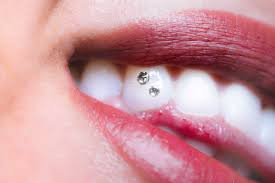
Tooth gems have quietly moved from niche subculture to mainstream teen fashion, showing up on social media feeds, music videos, and school hallways alike. For many teenagers, a small sparkling stone on a tooth feels like the perfect way to express personality without committing to something permanent. For parents, however, the trend raises immediate questions: Is this safe? Will it damage my child’s teeth? Should I even allow it?
These concerns are completely valid, and the good news is that tooth gems, when handled correctly, can be a surprisingly low-risk form of self-expression. The key lies in understanding which tooth gem placement ideas are appropriate, what materials are safe, and how to ensure the process is handled by a qualified professional rather than a DIY kit from the internet.
This article walks you through everything you need to know as a parent — from the core safety considerations and creative placement options to a practical step-by-step guide for introducing tooth gems responsibly. Whether your teen is just curious or already lobbying hard for an appointment, you’ll finish reading with a clear, informed perspective on balancing their desire for self-expression with the dental health they can’t afford to compromise.
The Safety of Tooth Gems: What Every Parent Should Know
Tooth gems are small decorative crystals, rhinestones, or precious stones temporarily bonded to the surface of a tooth using dental-grade adhesive. Unlike piercings or tattoos, they don’t break the skin or alter tooth structure, making them one of the more accessible forms of non-invasive dental art available today. That accessibility, however, is exactly why safety education matters — because low barriers to entry also mean more opportunities for things to go wrong.
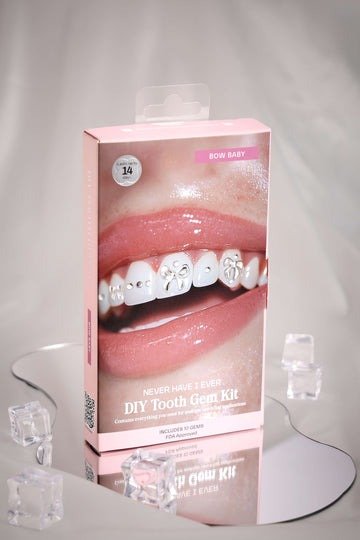
The most critical distinction any parent needs to understand is professional application versus DIY kits. At-home tooth gem kits sold online often use non-dental adhesives that can trap bacteria against the enamel, leading to decay underneath the gem where brushing can’t reach. A certified dental professional or trained cosmetic technician uses adhesives specifically formulated for oral use, applies them with proper technique, and ensures the gem sits flush against the tooth without creating pockets for plaque buildup.

Material safety is equally important. Quality tooth gems are made from Swarovski crystals, genuine gemstones, or surgical-grade materials that are non-toxic and biocompatible. Cheaper alternatives may contain metals or coatings that irritate gum tissue or cause allergic reactions. For teens, whose oral development may still be ongoing, choosing hypoallergenic, enamel-safe materials isn’t optional — it’s essential.
Age-appropriateness also factors into the safety conversation. Teens with braces, active cavities, or weakened enamel should wait until their orthodontic treatment is complete and their dental health is stable. Proper aftercare — avoiding hard foods near the gem, maintaining consistent brushing and flossing, and scheduling regular check-ups — keeps both the gem and the tooth in good condition throughout the wear period.
Potential Risks and How to Mitigate Them
The realistic risks associated with tooth gems are manageable when addressed proactively. Allergic reactions can occur if the gem or adhesive contains nickel or low-grade metals, so always confirm that materials are labeled hypoallergenic and dental-safe before proceeding. Gum irritation typically results from improper placement too close to the gumline, which a trained professional will naturally avoid. Improper adhesion — whether from DIY application or an under-qualified technician — can cause gems to pop off unexpectedly, creating a choking hazard. To mitigate these risks: verify your practitioner’s credentials and portfolio, request a full list of materials used, schedule a dental check-up before the appointment to rule out underlying issues, and commit to follow-up visits every few months to monitor the gem’s condition and the tooth beneath it.
Creative Tooth Gem Placement Ideas for Teens
One of the most exciting parts of the tooth gem conversation is the sheer variety of placement options available. Far from a one-size-fits-all accessory, tooth gems can be customized to match a teen’s personality, aesthetic, and comfort level. The most popular starting point is a single gem centered on an upper front tooth — typically the central incisor. This placement is highly visible when smiling, easy to maintain, and simple enough to feel approachable for first-timers. For teens who want something a little bolder, placing gems on both front teeth creates a symmetrical look that photographs beautifully and feels intentional rather than accidental.

Canine teeth offer a different kind of statement. A gem on a canine catches light from a slightly different angle and tends to appeal to teens drawn to edgier, more unconventional aesthetics. Lateral incisors — the smaller teeth flanking the front two — work well for subtle accent placements that add sparkle without dominating a smile. For teens who prefer something more private or understated, a gem on a premolar is visible only when laughing or speaking openly, making it a genuinely personal detail rather than a public declaration.
Cluster arrangements are growing in popularity, particularly among teens who follow jewelry-forward fashion trends. A small constellation of two or three micro-gems placed in a gentle arc across adjacent teeth mimics the layered jewelry trend that dominates current teen style. Seasonal and themed tooth gem collections — think pastel stones for spring or deep jewel tones for fall — allow teens to rotate designs and treat their smile like any other accessory. When choosing placement, a practitioner can also factor in the teen’s face shape, helping position gems where they’ll naturally draw attention to the smile’s most flattering angles.
Popular Styles and Trends
Minimalist gems — small, clear Swarovski crystals or tiny diamonds — remain the most universally appealing choice because they complement virtually any personal style without clashing with school dress codes or family expectations. Colored stones have surged in popularity as teens increasingly use them to represent birthstones, favorite colors, or even fandom references. Geometric patterns, such as tiny star-shaped gems or hexagonal cuts, align with the broader maximalist jewelry trend visible across teen fashion right now. Brands like Never Have I Ever, known for their creative approach to wearable self-expression through press-on nails and temporary body art, reflect exactly the kind of mix-and-match aesthetic that makes rotating tooth gems feel like a natural extension of a teen’s overall style toolkit. For teens who treat self-expression as an evolving project rather than a fixed identity, the ability to swap gems seasonally or match them to special occasions — a prom, a birthday, a concert — makes tooth gems feel less like a commitment and more like a genuinely fun, rotating accessory collection.
Non-Invasive Dental Art: A Safe Alternative for Teen Expression
When parents weigh the landscape of teen body modification — piercings, tattoos, dermal anchors — tooth gems occupy a uniquely reassuring position. They require no needles, no breaking of skin, and no permanent alteration to tooth structure. The adhesive bonds to the enamel surface without drilling or etching in any way that compromises the tooth’s integrity, and a trained professional can remove the gem cleanly, leaving the tooth exactly as it was before. That reversibility alone separates tooth gems from virtually every other form of cosmetic modification available to teenagers.
The discomfort factor is essentially nonexistent. The application process typically takes under thirty minutes, involves no anesthesia, and causes no soreness afterward. For teens who are drawn to self-expression but anxious about pain or permanence, this makes tooth gems a genuinely accessible entry point into personal style. They get the visual impact of a bold accessory without any of the physical or long-term consequences that make parents — and often the teens themselves — hesitant about other modifications.
From a parental perspective, the temporary nature of tooth gems creates an ideal middle ground. Rather than drawing a hard line against all forms of body art, agreeing to a tooth gem acknowledges a teen’s growing need for autonomy and self-definition while keeping the stakes low. If the teen loves it, they can maintain it responsibly. If they change their mind, removal is straightforward. That flexibility transforms what could be a contentious negotiation into a collaborative conversation about style, responsibility, and trust — outcomes that benefit the parent-teen relationship well beyond the gem itself.
How to Introduce Tooth Gems to Your Teen: A Step-by-Step Guide
Introducing tooth gems as a shared experience rather than a unilateral teen decision changes the entire dynamic. Start by opening a genuine conversation about body art broadly — what appeals to your teen, what concerns you have, and where you both see common ground. Framing this as a dialogue rather than a negotiation sets a collaborative tone that makes the eventual outcome, whatever it is, feel mutually respected rather than grudgingly permitted.
Once both sides are aligned on exploring the option, research together. Look up local practitioners as a team, read reviews, examine before-and-after photos, and discuss what placement styles genuinely appeal to your teen versus what might be a passing impulse. This step naturally filters out riskier choices — if a studio’s portfolio looks inconsistent or their materials aren’t clearly documented, you’ll both notice. Shared research also gives teens ownership over the decision, which increases the likelihood they’ll take aftercare seriously once the gem is placed.
From there, the practical steps follow a clear sequence: schedule a dental check-up to confirm your teen’s teeth are healthy enough for a gem, select a design and placement collaboratively during a consultation with the chosen practitioner, and confirm all materials are dental-safe and hypoallergenic before the appointment date. On placement day, the process itself is brief and painless. Afterward, establish a simple aftercare routine together — avoiding hard or sticky foods near the gem, brushing carefully around it, and booking a follow-up dental visit within six to eight weeks to ensure everything looks healthy beneath the surface.
Communication Strategies for Parents
The most effective parental approach treats tooth gems as a teachable moment rather than a battle. Discuss the financial side openly — quality professional placement costs more than a DIY kit, and that difference reflects a genuine safety gap worth paying for. Set clear expectations around aftercare responsibilities: if your teen wants the gem, they take full ownership of the maintenance routine. Establishing these boundaries early, framed around mutual respect rather than control, keeps the conversation productive and reduces the chance of conflict if issues arise later.
Planning the Tooth Gem Experience
A smooth tooth gem experience depends on preparation at every stage. Begin with a dental check-up to rule out cavities, enamel sensitivity, or gum issues that would make placement inadvisable. Then schedule a consultation with your chosen practitioner — not just a booking, but an actual conversation where you ask about adhesive brands, gem materials, and their removal process. Choose the design together, letting your teen lead while you ask practical questions. After placement, review the aftercare instructions as a family so expectations are shared, and put a reminder in your calendar for the follow-up dental visit. Treating each step with this level of intentionality transforms a simple cosmetic appointment into a genuine lesson in responsible decision-making.
Ensuring Safety with High-Quality Jewelry and Professional Care
The quality of materials used in tooth gems isn’t a detail — it’s the foundation of the entire safety case. Parents should look for gems made from Swarovski crystals, genuine precious stones, or materials explicitly labeled biocompatible and non-toxic. Adhesives should be dental-grade, meaning they’re formulated for oral environments and won’t degrade in ways that trap bacteria against enamel. When vetting a practitioner, ask directly whether their products carry FDA-recognized safety standards or equivalent certifications, and don’t hesitate to request documentation. A reputable professional will welcome these questions rather than deflect them. Beyond the initial placement, quality also determines longevity — a well-made gem bonded correctly by a skilled technician will stay secure and hygienic far longer than a cheaper alternative, reducing the risk of unexpected detachment or enamel irritation over time. Building a responsible tooth gem collection starts with treating each piece as a dental accessory, not just a fashion one, and choosing practitioners who share that standard.
Safe Sparkle: Empowering Teen Expression Through Informed Tooth Gem Choices
Tooth gems, when approached thoughtfully, represent one of the most parent-friendly forms of teen self-expression available today. They’re temporary, reversible, non-invasive, and — with the right professional and quality materials — carry minimal risk to dental health. The placement ideas explored throughout this article show just how much creative range exists within those safe boundaries, from a single subtle crystal to a seasonal cluster that rotates with a teen’s evolving style.
The steps outlined here — opening honest conversations, researching practitioners together, confirming material safety, scheduling dental check-ups, and committing to aftercare — aren’t just about protecting teeth. They’re about modeling the kind of deliberate, informed decision-making that serves teenagers well beyond any single accessory choice. When parents engage with the process rather than simply approving or refusing it, the experience becomes genuinely educational.
Balancing a teen’s need for self-expression with a parent’s responsibility to protect their health doesn’t have to be a conflict. Tooth gems, handled correctly, offer a rare opportunity where both goals align. Trust the process, trust a qualified professional, and trust that a little sparkle — chosen wisely — is something both of you can feel good about.
