
Key Highlights
- Applying lotion on slightly damp skin improves absorption and comfort.
- Using correct amounts prevents residue and reduces surface irritation.
- Gentle pressure supports even coverage without triggering sensitivity.
- Layering timing matters more than product quantity.
- Consistency and technique drive better results than frequent switching.
Many people focus on choosing a lotion for itchy skin but overlook how the application affects results. Technique influences absorption, comfort, and the duration of relief. Skin behaves like a barrier with preferences when application clashes with how skin functions; even a well-formulated moisturiser for itchy skin can underperform.
Absorption depends on timing, surface condition, and pressure. Rushing application on dry, tight skin limits penetration. Over-rubbing creates friction and heat, which may increase irritation. Applying too much creates residue that sits on the surface without supporting the skin barrier.
Correct application works with skin biology. It allows ingredients to settle evenly, supports hydration retention, and reduces repeated scratching. This approach shifts skincare from reactive to preventive, which matters for individuals managing recurring itch or sensitivity.
Preparing the Skin Before Application
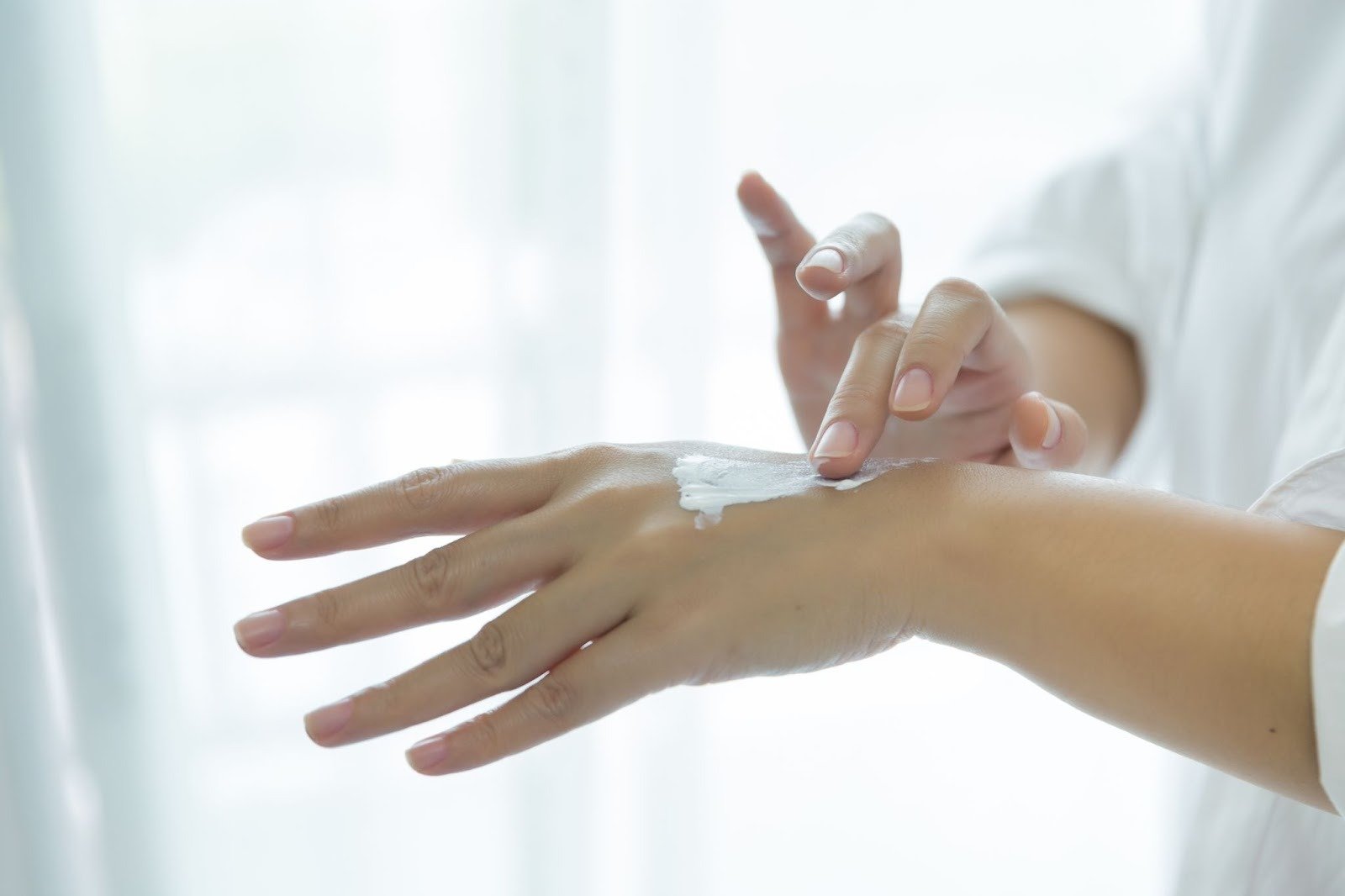
Preparation sets the foundation. Applying lotion for itchy skin immediately after cleansing improves results without adding steps. Skin absorbs better when slightly damp, not wet. Water left on the surface helps spread the product evenly and supports hydration lock-in.
Pat skin gently with a towel rather than rubbing. Rubbing removes surface moisture and may aggravate the itch. Leave a light sheen of moisture behind. This creates a receptive surface that allows the moisturiser for itchy skin to glide rather than drag.
Hands matter as well. Warm hands soften product texture and improve spreadability. Cold hands stiffen creams, encouraging over-application. These small adjustments reduce waste and improve comfort during daily routines.
How Much Lotion Is Actually Enough
More does not mean better. Over-application creates a film that traps heat and attracts friction from clothing. Under-application leaves patches untreated, triggering uneven relief.
A practical guide works better than rigid measurements. For limbs, a coin-sized amount per section usually suffices. For areas prone to itching, focus on coverage rather than thickness. The goal involves forming a thin, even layer that disappears within minutes.
When using a moisturiser for itchy skin regularly, consistency matters more than quantity. Applying moderate amounts twice daily often outperforms heavy, irregular use. Skin responds to steady reinforcement, not occasional overload.
Applying With the Right Pressure and Motion
Pressure influences how lotion interacts with skin. Use gentle, flat-hand motions rather than fingertips. Fingertips concentrate force and may trigger discomfort. Flat palms distribute pressure evenly and reduce friction.
Move in slow, overlapping strokes. Avoid circular scrubbing motions, which may stimulate nerve endings and increase itch sensation. Long strokes follow the natural structure of skin, improving comfort.
Allow the lotion for itchy skin to settle naturally. Pause briefly before dressing. This gives the product time to absorb rather than transfer to fabric, where it provides no benefit.
Timing Your Application for Maximum Absorption
Timing transforms effectiveness. Morning application prepares skin for daily exposure, while evening application supports overnight recovery. Applying a moisturiser for itchy skin before bed reduces overnight scratching, which often worsens symptoms.
Avoid applying lotion immediately before intense activity. Sweat dilutes product performance and may cause stinging. If activity follows, allow sufficient absorption time or apply afterwards.
Post-cleansing remains the strongest window. Skin remains most receptive within minutes after washing. Missing this window reduces absorption efficiency, regardless of product quality.
Common Application Mistakes That Reduce Effectiveness
Many routines fail due to small habits. Applying lotion to completely dry skin limits penetration. Rushing through the application creates uneven coverage. Layering incompatible products causes pilling, reducing absorption.
Switching products frequently disrupts skin adaptation. Skin benefits from stability. Allow time for a lotion for itchy skin to support barrier repair before judging results.
Ignoring trigger areas also undermines outcomes. Elbows, ankles, and neck folds often need more attention due to friction and dryness. Addressing these areas consistently improves overall comfort.
Building a Sustainable Routine That Works Long Term
Sustainable routines succeed because they feel manageable. Choose application moments that align with existing habits. After showering and before bed, create natural anchors.
Track comfort rather than appearance. Reduced itch, smoother texture, and less urge to scratch signal progress. Visual changes often follow later.
Using a moisturiser for itchy skin consistently reinforces skin resilience. Over time, this reduces flare-ups and reliance on reactive measures. Technique remains the quiet driver behind these improvements.
Relief from itch does not depend on complexity. It depends on applying lotion for itchy skin with intention, timing, and consistency. Small technique changes deliver measurable comfort gains.
Contact AweMed Series to explore solutions designed with sensitivity and daily comfort in mind.
