
Constant power is no longer a luxury. It has now become mandatory in work, study, communication, and safety. In my early career of field research on backup energy systems, I observed an increase in the preference for clean and portable solutions. Many households were no longer seeking high fuel based generators. Instead, they desired something quiet, safe, and easy to control. This is where the solar generator comes into the scene as a viable solution to normal power dilemmas.
Understanding the Solar Generator Concept
A solar generator is a small sized power unit that stores energy obtained from sunlight and delivers it through built in outlets. It does not rely on fuel burning or mechanical engines like traditional generators do. Through personal testing, this single distinction makes it far more appropriate for homes, educational spaces, and beginners who require a reliable source of power without technical difficulty.
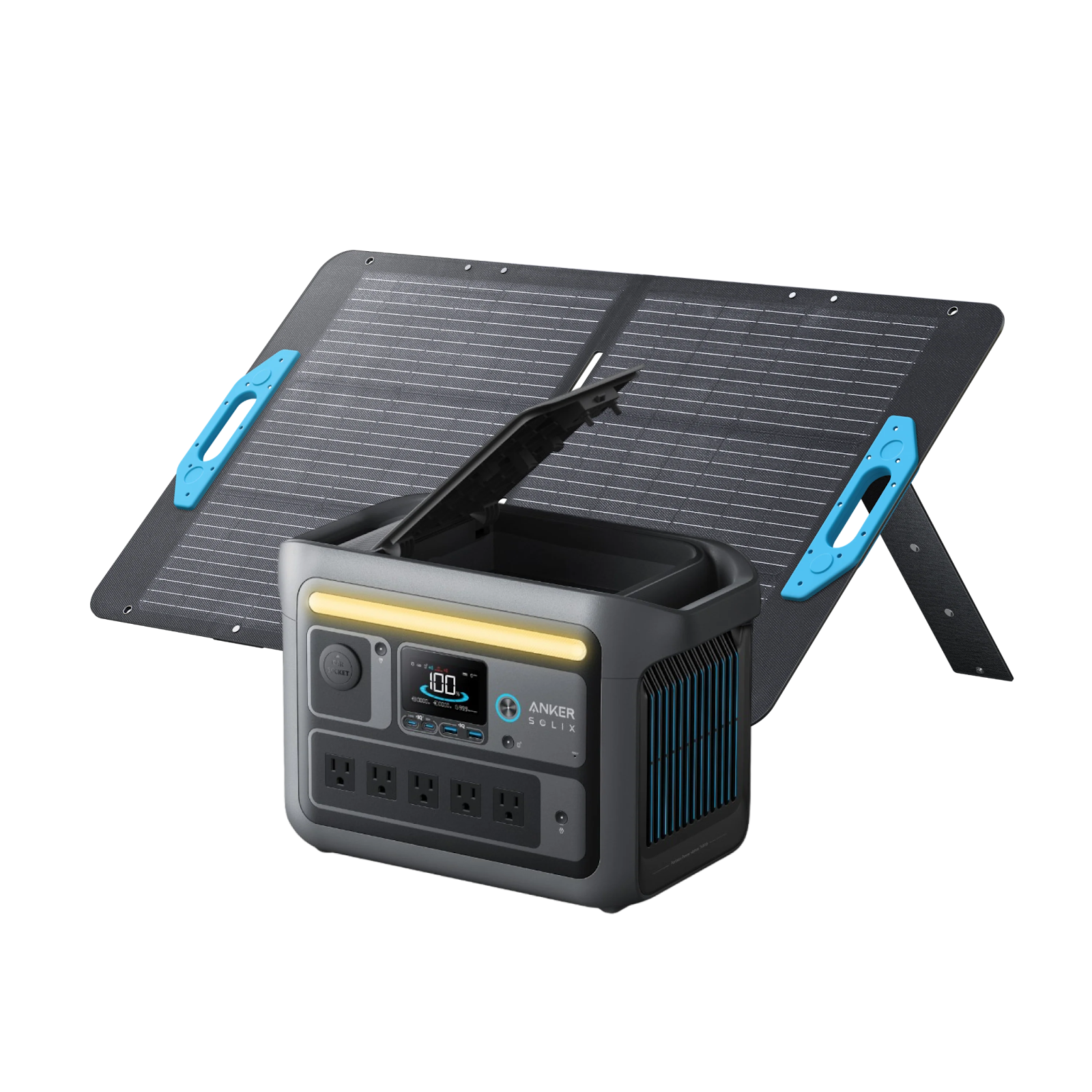
The system typically consists of a battery pack, an inverter, and solar charging capability. Once charged, it can be used to power essential equipment such as cell phones, laptops, fans, lights, and small appliances. Because it produces no fumes or noise, it can be used safely indoors, which is a significant benefit for apartment living and study environments.
Why Simple Power Needs Require a Different Approach
Simple power requirements are often misunderstood. They are not about operating heavy equipment or large air conditioning systems. Instead, they focus on continuity. Keeping lights on, maintaining internet access, and charging devices during power outages are the real priorities.
During professional practice, most users tend to overestimate their power usage and end up purchasing systems that are larger and more expensive than necessary. Understanding how much electricity is actually used on a daily basis helps in selecting the correct solar generator size and prevents unnecessary spending.
Evaluating Power Capacity for Daily Use
Power capacity is the first technical aspect to consider. It is measured in watt hours and determines how long the generator can supply electricity to connected devices. For basic power needs, a moderate capacity unit is usually sufficient.
Students and remote workers generally need power for a laptop, router, and lighting. Families may add a fan or a small television. Real world usage data shows that a balanced capacity can provide reliable backup for several hours without frequent recharging, making it suitable for short outages and everyday use.
Portability and Space Considerations
For basic power needs, portability plays an important role. Compact designs are easier to move, store, and transport. This is especially important for renters and students who may relocate frequently.
Modern solar generators portable models are designed with built in handles and lightweight frames. During hands on testing, these features proved essential for quick deployment during sudden power outages. A portable unit can also be used in different rooms or even in outdoor study setups.
Charging Flexibility and Solar Performance
The usefulness of a solar generator in daily life depends heavily on its charging options. Most units support solar panels, wall outlets, and vehicle charging. This flexibility ensures that power remains available even during extended outages.
Solar panel efficiency varies depending on panel quality and sunlight availability. Based on field observations, pairing the generator with compatible panels significantly improves charging speed and long term reliability. In regions with strong sunlight, solar charging often becomes the primary power source rather than just a backup.
Safety Advantages and Indoor Use
Safety is one of the strongest reasons people choose solar generators. There is no fuel storage, no exhaust, and no risk of carbon emissions. This makes them suitable for bedrooms, study rooms, and shared living spaces.
During professional assessments, indoor safe operation consistently emerged as the top concern for families and students. A solar generator eliminates many of the risks associated with fuel based alternatives, offering peace of mind along with dependable performance.
Long Term Value and Maintenance Simplicity
Maintenance requirements for solar generators are minimal compared to conventional systems. There are no oil changes, spark plugs, or mechanical parts that require servicing. Occasional charging and basic battery care are usually sufficient.
Based on long term user experience, this simplicity results in lower ownership costs and fewer operational issues. For beginners, the ease of use reduces learning curves and encourages regular use without technical stress.
Conclusion
When selecting the right solar generator for basic power needs, balance matters more than excess. Capacity, portability, charging flexibility, and safety should guide the decision rather than raw power output alone. Years of professional observation show that the most satisfied users are those who align their actual needs with realistic expectations, choosing solar generators portable solutions that match daily usage instead of oversized systems. A carefully chosen setup delivers quiet reliability, clean energy, and confidence during every power interruption.
FAQs
Is it possible to use a solar generator for daily study or work needs?
Yes, a properly sized unit can power laptops, routers, and lighting for several hours, making it suitable for students and professionals.
Can a solar generator be used indoors?
It is designed for indoor use because it produces no emissions, noise, or heat associated with combustion.
How long does it take to charge a solar generator?
Charging time depends on the unit capacity and the power source. Solar panels may take several hours, while wall charging is usually faster.
Do solar generators require professional installation?
No, most models are plug and play and do not require any technical installation or wiring.
Is a solar generator suitable for beginners?
Absolutely. Its simple operation and low maintenance make it ideal for first time users.
