
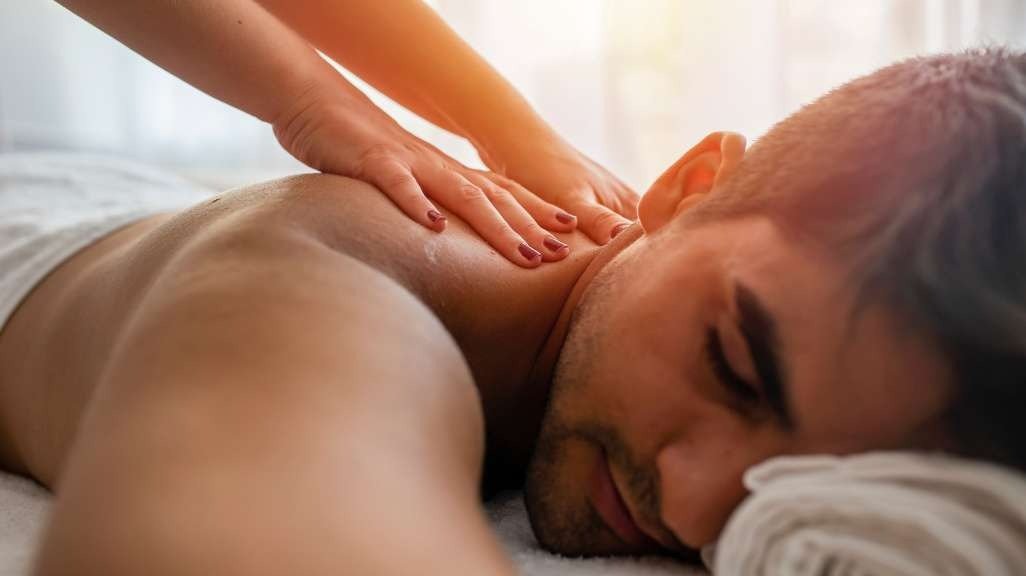
Yes, relaxation massage effectively reduces neck and shoulder tension by targeting surface-layer muscles, improving blood circulation, and activating your body’s natural stress response. Through gentle techniques like effleurage and petrissage, it increases oxygen delivery to tense tissues, reduces muscle hypertonicity, and helps prevent tension from escalating into chronic pain.
Does your neck feel stiff after a long day at your desk? Do your shoulders carry the weight of stress and tension? You’re not alone in experiencing this discomfort.
Neck and shoulder tension affects millions of people, often building silently over weeks before manifesting as sharp pain or limited movement. Research shows that approximately 67% of office workers experience neck and shoulder pain at some point during their careers. The good news is that relaxation massage can genuinely help by targeting surface-layer muscles, improving blood circulation, and calming your nervous system.
Relaxation massage works by addressing the superficial muscle layer in your neck and shoulders through gentle, flowing strokes and kneading techniques. These methods increase oxygen delivery to tense tissues, reduce muscle hypertonicity (chronic tension), and trigger your body’s natural relaxation response. Unlike deep tissue therapy that reaches deeper muscle layers, relaxation massage focuses on easing general stress and preventing tension from escalating into chronic pain.
This article explores how relaxation massage specifically targets neck and shoulder tension, the tangible benefits of regular sessions, and when to choose this approach over deeper therapeutic work. You’ll discover practical insights backed by physiological understanding to help you make informed decisions about your wellness routine.
How Does Relaxation Massage Target Neck and Shoulder Tension?
Your neck and shoulder region contains three distinct muscle layers that respond differently to massage techniques. Understanding these layers helps explain why relaxation massage effectively addresses tension for many people.
The superficial layer includes your trapezius (the large diamond-shaped muscle covering your upper back), deltoids (shoulder muscles), sternocleidomastoid (prominent neck muscle), and latissimus dorsi. Relaxation massage primarily works on this first layer using specific therapeutic techniques designed to ease tension without aggressive pressure.
Key Techniques Used in Relaxation Massage:
- Effleurage: Long, flowing strokes that glide across your skin, warming the muscles and increasing blood flow to oxygen-starved tissues
- Petrissage: Gentle kneading motions that lift and compress muscles, helping release built-up tension and improve tissue elasticity
- Circular Motions: Small, rhythmic circles applied to specific areas like the base of your skull, where tension commonly accumulates
These techniques stimulate microvascular perfusion, which means more oxygen-rich blood reaches your tense muscles. Studies indicate that massage therapy can increase local blood flow by up to 30%, helping flush out metabolic waste products that contribute to soreness and stiffness. The gentle pressure also activates your parasympathetic nervous system (your body’s “rest and digest” mode), which naturally lowers cortisol levels and reduces the physical manifestations of stress.
Relaxation massage differs from deep tissue work in an important way. While deep tissue therapy targets the intermediate and deep muscle layers (including the levator scapulae, rhomboids, and subscapularis), relaxation massage focuses on the surface layer and your overall nervous system response. This makes it ideal for general stress relief, first-time spa visitors, and preventative care. If you’re dealing with chronic pain, persistent muscle knots, or adhesions that have developed over months, deep tissue massage may be more appropriate.
At Vibrant Salon and Spa, certified therapists customize each relaxation massage session based on your specific concerns. The session begins with a brief consultation to identify your needs and adjust techniques accordingly, addressing general stiffness or stress that radiates from your scalp down through your neck and shoulders.
What Are the Benefits of Regular Relaxation Massage for Tension Relief?
Incorporating relaxation massage into your wellness routine delivers measurable physical, mental, and preventative benefits that extend well beyond the treatment table.
Physical Benefits:
- Improved Circulation: Enhanced blood flow delivers oxygen and nutrients to your muscles while removing waste products that cause soreness
- Reduced Muscle Spasms: Gentle kneading and stroking help reset the resting tone of overworked muscles, decreasing involuntary contractions
- Increased Range of Motion: Regular massage maintains joint flexibility and reduces cervical stiffness, making everyday movements easier
- Tension Headache Relief: By releasing tight muscles at the base of your skull and upper neck, massage addresses one of the primary triggers of tension headaches
Mental and Emotional Benefits:
Your physical tension and mental state are deeply connected. When your neck and shoulders hold stress, your mind often struggles to fully relax. Relaxation massage helps break this cycle by inducing deep calm that quiets an overactive mind. Clinical research demonstrates that massage therapy can reduce anxiety levels by approximately 24% and improve sleep quality in 85% of participants. Many clients report better sleep quality after sessions because the physical release allows their bodies to truly rest. Enhanced mental clarity often follows as the fog of chronic tension lifts.
Preventative Care Through the “Iceberg” Philosophy:
Here’s something most people don’t realize. The acute pain you feel in your neck or shoulders is often just the tip of the iceberg. Tension, adhesions, and trigger points typically build over weeks or months of poor posture, repetitive movements, or emotional stress before you notice sharp discomfort.
Regular relaxation massage (2-3 sessions per month) helps you identify and release this “building-up” tension before it becomes inflammatory or leads to serious injury. This preventative approach maintains the biomechanical integrity of your shoulder girdle, which is vital for both athletic performance and daily tasks like driving or typing.
Combining relaxation massage with complementary treatments amplifies these benefits. Vibrant Salon and Spa offers a relaxation scalp massage ($60 for 30 minutes) that specifically targets stress at its source. Since tension often originates in the scalp and radiates downward, this pairing provides comprehensive relief. Clients can also explore spa packages that combine massage with facials or nail services for a complete wellness experience.
When Should You Choose Relaxation Massage Over Deep Tissue Therapy?
Selecting the right massage type depends on your current physical condition, pain level, and wellness goals. Both approaches offer value, but they serve different purposes.
Choose Relaxation Massage When:
- You’re seeking general stress relief and full-body calm rather than targeting specific chronic pain
- You’re a first-time spa visitor exploring massage therapy
- Your tension feels manageable and hasn’t persisted for months
- You want to maintain wellness and prevent tension from escalating
- You prefer a gentler approach that focuses on nervous system relaxation
Choose Deep Tissue Therapy When:
- You’re dealing with chronic stiffness that has lasted weeks or months
- Your shoulders feel “locked” or severely restricted in movement
- You have persistent trigger points (palpable muscle knots) that don’t respond to gentler pressure
- You need to address adhesions in the second and third muscle layers (levator scapulae, rhomboids, subscapularis)
- You’ve tried relaxation massage but require more intensive work
The fundamental difference lies in focus and pressure. Relaxation massage works on the surface layer using flowing strokes that calm your nervous system and improve overall circulation. Deep tissue massage applies sustained pressure to reach deeper muscle layers, breaking up adhesions and resetting chronic hypertonicity through techniques like “tack and stretch” mobilization. Research indicates that 72% of people with general stress-related tension respond effectively to relaxation massage, while those with chronic conditions lasting more than 12 weeks typically require deeper therapeutic intervention.
Many people benefit from alternating between both types or starting with relaxation massage and progressing to deeper work as needed. At Vibrant Salon and Spa, therapists help you determine the most appropriate approach during your initial consultation. They consider factors like your pain history, stress levels, and specific areas of concern to create a personalized treatment plan.
For Fredericton residents facing seasonal stress from harsh winter conditions, regular relaxation massage provides targeted relief suited to local environmental challenges. The tranquil environment at Vibrant enhances every session, helping you achieve deeper relaxation and more lasting results.
Taking the Next Step for Your Wellness
Relaxation massage offers a scientifically supported method for easing neck and shoulder tension by improving circulation, reducing muscle hypertonicity, and calming your stress response. The gentle techniques work on your superficial muscle layer while triggering your parasympathetic nervous system, creating both immediate relief and long-term benefits.
Consistency matters more than intensity for many people. Regular sessions help maintain relief and prevent tension from escalating into chronic pain that requires more aggressive intervention. Combining relaxation massage with scalp massage and other spa treatments creates a proactive approach toward wellness.
Listen to your body and choose the massage style that aligns with your current needs. If you’re managing general stress and seeking preventative care, relaxation massage provides the gentle, effective relief you need. If chronic pain persists, consider progressing to deep tissue work or consulting with a certified therapist about the best approach.
Your neck and shoulders carry enough weight each day. Give them the care they deserve, and you’ll notice the difference in how you move, sleep, and feel. Taking control of your wellness today creates the foundation for long-term comfort and vitality.