
Have you ever tried to relax outdoors only to realize you forgot something basic, like a light or a place to sit?
Outdoor stays have grown from casual camping trips into something closer to mobile living. From remote workers setting up in national parks to families escaping rising city costs, people are rethinking how they spend time outside. A functional setup is no longer a luxury. It is the difference between a refreshing escape and a frustrating experience.
Why Outdoor Living Is Having a Moment
The surge in outdoor stays is tied to bigger shifts in how people live and work. Remote jobs, rising rent, and a general burnout with crowded cities have pushed many to look beyond traditional housing. Van life influencers may glamorize it, but even weekend campers are now thinking more seriously about comfort and practicality.
At the same time, climate concerns and economic uncertainty are nudging people toward simpler lifestyles. Outdoor stays offer a mix of freedom and control. You can unplug, but you can also design your space to meet your needs. That balance makes planning your setup more important than ever.
Choosing Shelter That Actually Works
Shelter is the backbone of any outdoor setup, and it is where most people either overcomplicate or underprepare. A flimsy tent might work for a night, but longer stays demand something sturdier, especially if weather turns unpredictable. Wind resistance, waterproofing, and enough interior space should guide your choice.
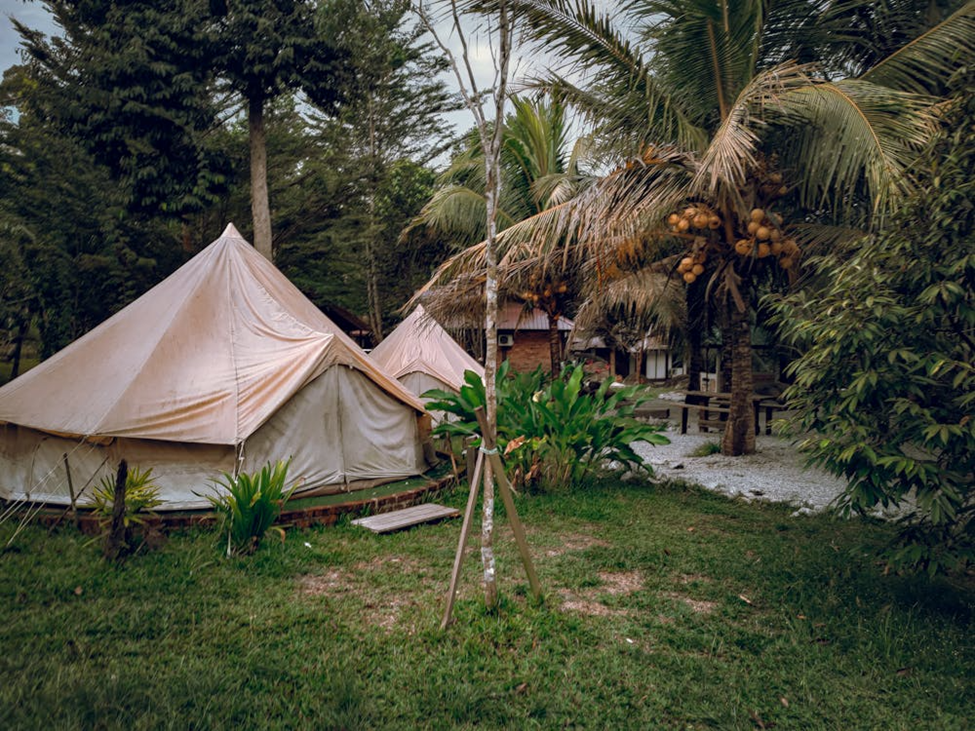
Some campers now turn to durable canvas options that feel closer to a small cabin than a tent. You will often see people getting in touch with companies like Wall Tent Shop when they want something reliable without going fully off-grid with a permanent structure. It reflects a shift toward setups that blend comfort with mobility instead of treating camping as a rough-it experience.
Building a Sleep Setup You Will Actually Enjoy
A good night’s sleep outdoors is not just about having a place to lie down. It depends on insulation, support, and temperature control. Many people still rely on thin sleeping pads and then wonder why they wake up stiff and tired. A proper sleeping system changes everything.
Start with a quality sleeping pad or air mattress that lifts you off the ground. Add layered blankets or a sleeping bag rated for the conditions you expect. Even in warmer climates, nights can surprise you. Small touches like a compact pillow or a raised cot can make your setup feel less like survival and more like rest.
Managing Light and Power Without Stress
One of the most common frustrations during outdoor stays is poor lighting and limited power. As more people bring devices with them, from phones to laptops, managing energy has become essential. Solar panels and portable power stations are no longer niche tools. They are becoming standard gear.
Lighting should be layered, with a main lantern for general use and smaller lights for tasks. Headlamps are especially useful because they keep your hands free. Think of your setup as a small system rather than a collection of items. When power and light are planned well, everything else becomes easier.
Creating a Functional Cooking Space
Cooking outdoors is often romanticized, but without a proper setup, it quickly becomes messy and inefficient. A functional cooking area should prioritize stability, safety, and ease of cleaning. A simple folding table can make a huge difference by keeping food off the ground and within reach.
Portable stoves are more reliable than open fires, especially in areas with restrictions. Keep your cooking tools organized in a dedicated bin so you are not searching for essentials. A cooler or portable fridge can help you store fresh food longer, which reduces the need for constant resupply and keeps meals varied.
Staying Organized in a Small Space
Clutter builds fast in outdoor setups because space is limited and every item has to work harder. Without a system, even a short stay can feel chaotic. Organization is not about perfection. It is about making your space easy to use.
Use labeled bins or bags to separate gear by function, like cooking, clothing, and tools. Keep frequently used items accessible while storing the rest out of the way. Hooks and hanging organizers can add vertical storage without taking up ground space. A tidy setup saves time and reduces stress, especially when conditions are less than ideal.
Preparing for Weather and Unexpected Changes
Weather is the one factor you cannot control, which is why preparation matters so much. Heat waves, sudden rain, or strong winds can turn a pleasant stay into a challenge if you are not ready. Recent extreme weather events across the U.S. have made this even more relevant for outdoor enthusiasts.
Pack gear that can handle a range of conditions, not just the forecast you hope for. Tarps, extra stakes, and weatherproof clothing should always be part of your kit. Think ahead about drainage, shade, and ventilation. A flexible setup allows you to adapt quickly instead of scrambling when things shift.
Balancing Comfort With Simplicity
The biggest trap in building an outdoor setup is trying to recreate your entire home. While it is tempting to bring everything, doing so often leads to clutter and unnecessary effort. The goal is not to replicate indoor living but to create a version of it that fits the outdoors.
Focus on items that serve multiple purposes and truly improve your experience. A comfortable chair, a reliable light source, and a solid shelter often matter more than extras. As minimalism continues to trend, many outdoor enthusiasts are finding that less gear, chosen carefully, leads to a better and more enjoyable stay.
Creating a functional setup for outdoor stays is about intention. It is about understanding what you need, planning for real conditions, and resisting the urge to overcomplicate. When done right, your outdoor space becomes more than a temporary stop. It becomes a place where you can actually live, even if only for a while.
