
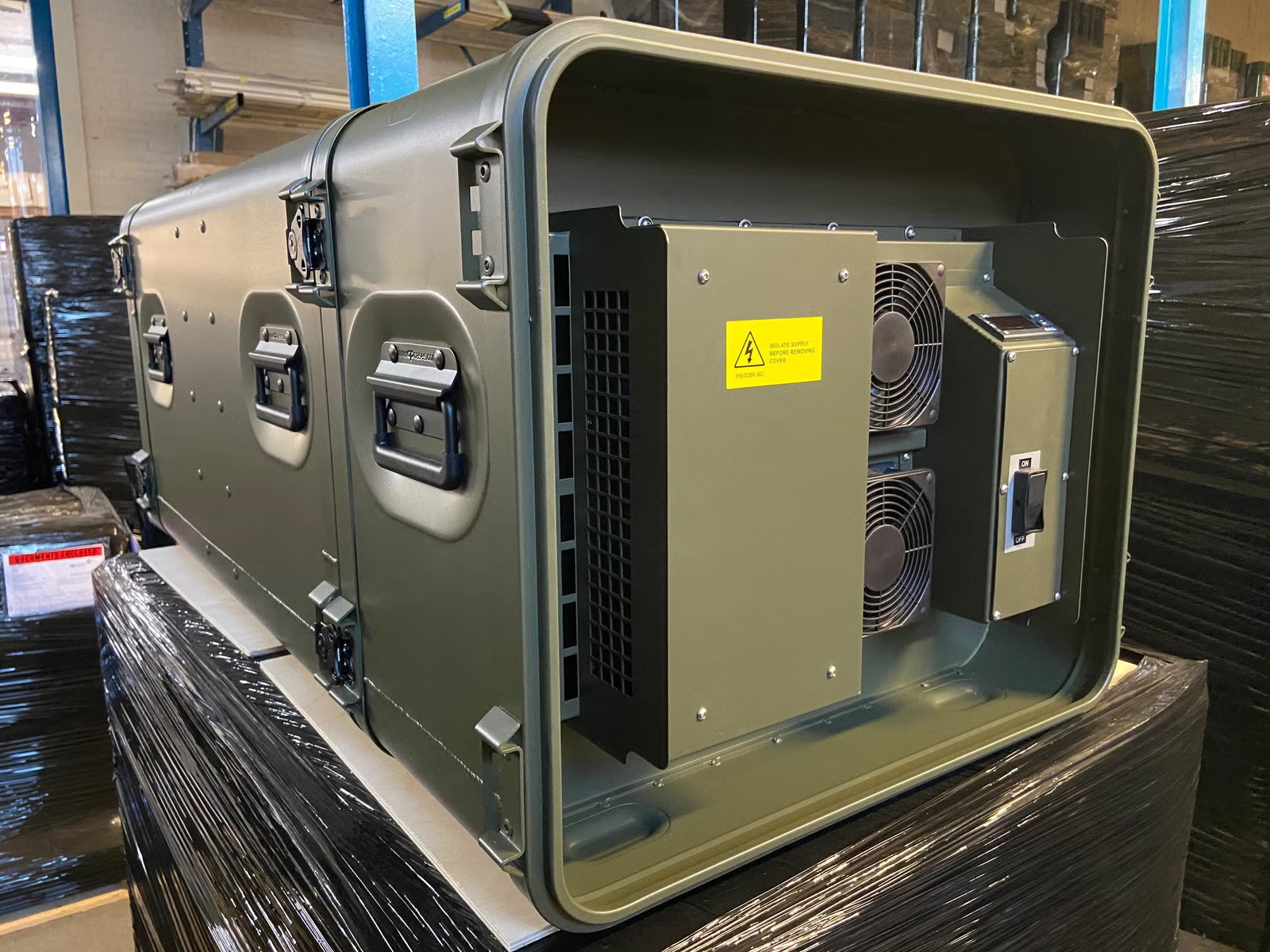
Modern military operations take place in some of the harshest environments on Earth. From scorching desert heat to freezing arctic conditions, equipment must perform reliably without failure. One of the most critical components enabling this reliability is the military rackmount system.
These systems are engineered to operate under extreme temperature conditions where standard commercial hardware would quickly fail. But how exactly do they survive such environments?
In this article, we break down the technologies, design principles, and engineering strategies that allow military rackmount systems to withstand extreme temperatures.
Why Temperature Resistance Matters in Military Systems
Temperature extremes can severely impact electronic components. Without proper protection, systems may experience:
- Overheating and shutdown
- Component degradation
- Signal instability
- Permanent hardware failure
Military operations cannot afford downtime, which is why rackmount systems are built with advanced thermal resilience.
Typical Operating Temperature Ranges
Military rackmount systems are designed to function in a wide range of temperatures:
- Standard range: -20°C to 60°C
- Extended range: -40°C to 70°C or higher
These ranges ensure performance in environments such as deserts, high-altitude regions, and polar zones.
Key Technologies That Enable Temperature Resistance
1. Advanced Thermal Management Systems
Thermal management is the backbone of temperature resistance.
Military rackmount systems use:
- Heat sinks to dissipate heat efficiently
- Thermal pads to transfer heat away from components
- Optimized airflow design for cooling
These mechanisms ensure internal temperatures remain stable even under heavy workloads.
2. Fanless Cooling Designs
Many military systems use fanless cooling to eliminate moving parts.
Benefits include:
- Reduced risk of mechanical failure
- Better resistance to dust and debris
- Improved reliability in extreme environments
Heat is dissipated through metal enclosures that act as passive cooling systems.
3. Rugged Enclosures and Materials
The outer casing plays a major role in temperature control.
Military rackmount systems use:
- High-grade aluminum or steel enclosures
- Corrosion-resistant coatings
- Insulated designs for thermal stability
These materials help regulate internal temperatures and protect sensitive components.
4. Industrial-Grade Components
Unlike consumer hardware, military systems use components rated for extreme conditions.
Examples include:
- Wide-temperature capacitors
- Industrial-grade processors
- High-reliability circuit boards
These components are tested to perform consistently under temperature stress.
5. Conformal Coating
Conformal coating is a protective layer applied to electronic circuits.
It helps by:
- Protecting against moisture and condensation
- Preventing thermal shock damage
- Enhancing durability in fluctuating temperatures
This is especially important in environments with rapid temperature changes.
6. Intelligent Temperature Monitoring
Modern rackmount systems include sensors that monitor internal temperatures in real time.
These systems can:
- Adjust performance to reduce heat
- Trigger cooling mechanisms
- Prevent overheating through automatic shutdown
This ensures safe and efficient operation.
How Systems Handle Extreme Heat
In high-temperature environments such as deserts, military rackmount systems rely on:
- High-efficiency heat dissipation
- Reflective coatings to reduce heat absorption
- Ventilation systems in controlled setups
These features prevent overheating and maintain stable performance.
How Systems Handle Extreme Cold
Cold environments present unique challenges such as condensation and reduced component efficiency.
Military systems address this with:
- Pre-heating mechanisms
- Insulated enclosures
- Components designed for low-temperature operation
This ensures reliable startup and operation in freezing conditions.
Real World Applications
Desert Warfare
Systems operate under intense heat and dust exposure, requiring high thermal resistance and sealed designs.
Arctic Operations
Equipment must function in sub-zero temperatures without performance loss.
High Altitude Missions
Lower air density affects cooling efficiency, making thermal design even more critical.
Naval Environments
Temperature fluctuations combined with humidity demand robust thermal protection.
Common Mistakes to Avoid
1. Using Commercial Hardware
Standard systems are not designed for extreme temperatures and will fail quickly.
2. Ignoring Thermal Design
Poor airflow or inadequate cooling can reduce system lifespan.
3. Overloading Systems
Running systems beyond their capacity increases heat generation and risk of failure.
Future Trends in Thermal Technology
Advancements in thermal management are improving the performance of military rackmount systems:
- AI-based thermal optimization
- Advanced cooling materials
- Hybrid cooling systems combining passive and active methods
These innovations are making systems more efficient and reliable in extreme environments.
FAQs
How do military rackmount systems handle extreme temperatures
They use advanced thermal management, rugged materials, and industrial-grade components to maintain stable performance.
What temperature range can military rackmount systems handle
They typically operate between -20°C to 60°C, with extended ranges up to -40°C to 70°C.
Do military systems use fans for cooling
Some use fans, but many rely on fanless designs for higher reliability in harsh environments.
Why is thermal management important in military systems
It prevents overheating, ensures stability, and extends the lifespan of critical components.
Final Thoughts
Military rackmount systems are engineered to perform where ordinary systems fail. Their ability to survive extreme temperatures comes from a combination of advanced design, high-quality materials, and intelligent thermal management.
Whether in the heat of the desert or the cold of the arctic, these systems ensure uninterrupted performance in mission-critical operations.
Investing in temperature-resistant rackmount systems is essential for reliability, durability, and long-term success in demanding environments.
