
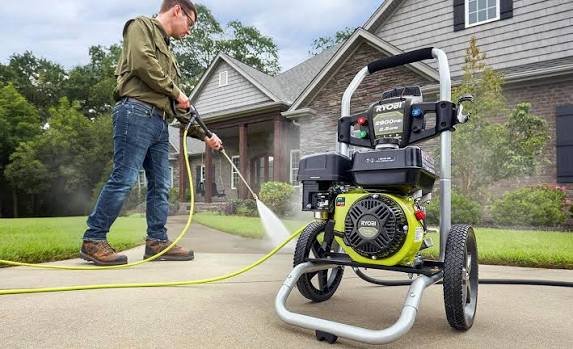
Every homeowner eventually hits that wall where a standard garden hose and a scrub brush simply don’t cut it anymore. Whether it’s the green algae creeping up the north side of your siding or the stubborn oil spots mocking you from the garage floor, manual scrubbing is a losing battle against time and physics. After years of maintaining properties, I’ve found that few tools offer the same immediate gratification and transformative power as a high-quality pressure washer.
When you invest in a pressure washer, you aren’t just buying a cleaning tool; you’re reclaiming your weekend and protecting your home’s biggest investment. From restoring the “new home” look of your driveway to prepping a deck for a fresh coat of stain, the applications go far beyond just blasting dirt off the sidewalk.
In this guide, we’ll explore the most effective ways to use this versatile machine, along with professional tips to ensure you get the best results without damaging your property.
Revitalizing Your Siding and Exterior Walls
The exterior of your home is constantly under siege from the elements. Over a single season, dust, pollen, bird droppings, and mildew can create a dull film that makes even a modern home look aged.
Using a low-pressure setting often referred to as a “soap tip” or a wide-angle nozzle allows you to apply detergent and rinse away grime from vinyl, brick, or fiber cement siding. It is important to work from the bottom up when applying soap and from the top down when rinsing to avoid streaking.
Deep Cleaning Driveways and Walkways
Concrete is incredibly porous. Over time, it absorbs automotive fluids, salt, and organic matter that turns into dark, slippery stains. A standard hose only wets the surface, but the concentrated stream of a power washer reaches deep into those pores to lift out years of embedded debris.
For large flat surfaces, consider using a surface cleaner attachment. This tool houses two spinning nozzles under a dome, providing a uniform clean that prevents the “zebra stripes” often caused by using a standard wand alone.
Restoring Decks and Fences
Wood is a sensitive material that requires a steady hand. If your wooden deck has turned a dismal shade of grey, it’s likely due to UV damage and dead wood fibers. A pressure washer can strip away that grey layer to reveal the beautiful, natural grain underneath.
However, caution is key here. Using too much pressure or holding the nozzle too close can “fuzz” the wood or leave permanent gouges. Stick to a 25-degree or 40-degree nozzle and always move with the grain of the wood.
Refreshing Outdoor Furniture
Whether you have plastic, metal, or durable teak furniture, it likely spends the winter gathering cobwebs and dust. Instead of spending hours with a bucket of soapy water, a quick pass with a light-duty electric washer can make your patio set look brand new in minutes. Just be sure to remove any fabric cushions before you begin.
Prepping Surfaces for Paint or Stain
Any professional painter will tell you that the secret to a long-lasting finish is the prep work. Paint won’t adhere to a surface covered in chalking paint or dirt. Using a washer to strip away loose flakes and deep-clean the substrate ensures your new coat of stain or paint bonds properly, potentially adding years to the life of the project.
Essential Safety: Choosing the Right Nozzle
One of the most common mistakes beginners make is using the wrong nozzle for the job. Most machines come with a color-coded system that dictates the “fan” of the water spray:
- 0-Degree (Red): A concentrated pinpoint. Rarely used for home maintenance; it can cut through wood and skin easily. Avoid this for general cleaning.
- 15-Degree (Yellow): High stripping power. Good for removing paint or cleaning heavy grease from concrete.
- 25-Degree (Green): The “all-purpose” nozzle. Great for washing away dirt from decks, siding, and brick.
- 40-Degree (White): Low pressure. Perfect for windows, cars, and fragile surfaces.
- 65-Degree (Black): The soap nozzle. Used to apply detergents at low pressure.
Electric vs. Gas: Which One Do You Need?
Choosing the right power source depends entirely on your specific property needs and your comfort level with maintenance.
Electric Pressure Washers
These are the gold standard for most residential users. They are quiet, require almost zero maintenance (no oil changes or gas to mix), and start with the push of a button. Modern electric models are powerful enough to handle 90% of home tasks, including siding and car washing.
Gas Pressure Washers
Gas models offer higher PSI (pounds per square inch) and GPM (gallons per minute). They are ideal for large properties where you can’t reach an outlet, or for professional-grade tasks like stripping old, stubborn paint from large fences. However, they are loud and require engine upkeep.
Pro Tips for Better Results
- Always Test First: Before starting on a prominent area, test your pressure on an inconspicuous corner to ensure you aren’t damaging the material.
- Watch the Angle: Never spray directly into a surface at a 90-degree angle if you can avoid it. A slight angle helps “sweep” the dirt away rather than driving it deeper into the material.
- Detergents Matter: Water alone is a mechanical cleaner, but adding a biodegradable detergent breaks the chemical bond between the dirt and the surface.
- Safety Gear: Always wear closed-toe shoes (never flip-flops) and eye protection. The water stream can kick up pebbles or debris at high speeds.
Common Mistakes to Avoid
- Washing Windows with High Pressure: It is tempting to blast second-story windows, but the pressure can easily break the seal of double-pane windows or even shatter the glass. Use a wide-angle nozzle and stay back.
- Getting Water Under Siding: When washing your home, always spray downward. Blasting upward can force water behind vinyl or wood siding, leading to mold growth inside your walls.
- Neglecting the Pump: Never run the machine “dry.” Ensure water is flowing through the unit before you turn the motor on, and never leave the machine idling for more than two minutes without pulling the trigger, as the pump can overheat.
Conclusion
A pressure washer is more than just a cleaning tool; it’s a way to maintain the value and curb appeal of your home with a fraction of the effort required by manual methods. Whether you are tackling a grimy driveway or prepping for a summer BBQ on a spotless deck, having the right machine in your garage makes all the difference. By selecting the right nozzles and following basic safety protocols, you’ll find that the “honey-do” list gets shorter, and your home stays looking its best year-round.
Frequently Asked Questions
Can I use a pressure washer on my car?
Yes, but you must be careful. Use a 40-degree nozzle and maintain a distance of at least 12–15 inches from the paint. Avoid spraying directly into the engine bay or at close range on tires, as high pressure can damage the sidewalls.
Will a pressure washer remove oil stains from my driveway?
It will significantly fade them, especially if you use a degreaser beforehand. For deep, old oil stains, you may need a combination of a specialized concrete cleaner, a stiff brush, and hot water pressure washing.
Do I need to use soap every time?
Not necessarily, but it makes the job faster. For organic growth like algae or mildew, a bleach-based outdoor cleaner or a specialized “house wash” will kill the spores so the grime doesn’t grow back as quickly.
Is it safe to wash my roof?
Generally, no. High pressure can strip the granules off asphalt shingles, shortening the life of your roof. For roof cleaning, professionals use a “soft wash” method involving chemicals rather than high-pressure water.
