
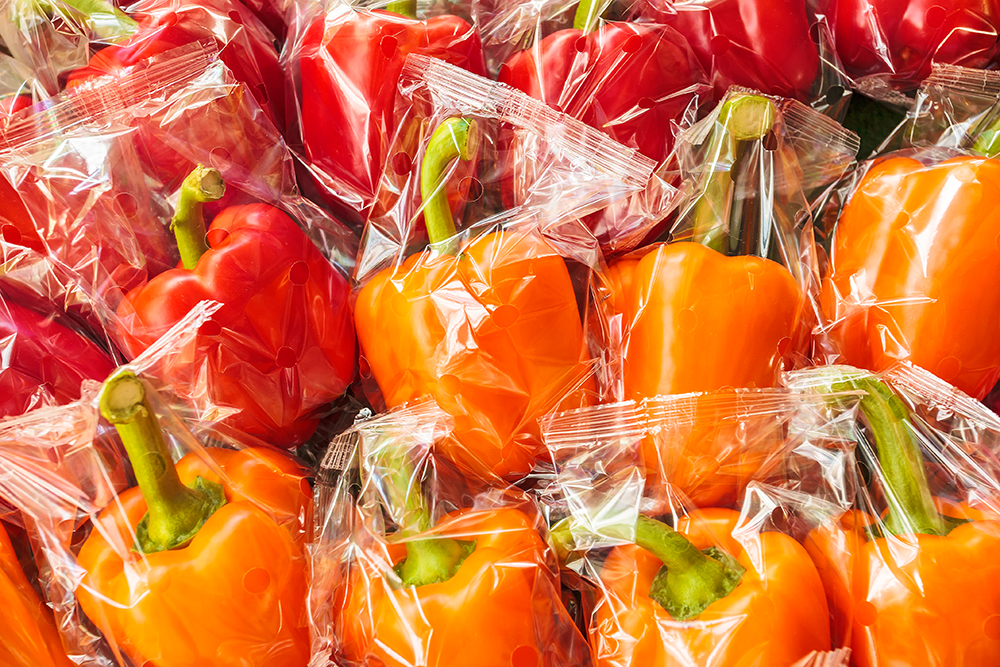
In today’s global food supply chain, reducing waste while preserving freshness has become a critical priority. From farm to supermarket shelves, perishable foods such as fruits, vegetables, meat, and dairy products are highly vulnerable to spoilage. A significant contributor to this problem is inadequate packaging, which fails to maintain product visibility and freshness. Among the innovative solutions emerging in the packaging industry, CPP Anti Fog Film stands out as a game-changer. This advanced material not only enhances the visual appeal of packaged food but also plays a vital role in extending shelf life and reducing food waste.
Understanding CPP Anti-Fog Film and Its Role in Packaging
Cast Polypropylene (CPP) is a versatile thermoplastic widely used in food packaging. When enhanced with anti-fog properties, CPP film prevents the formation of condensation droplets on the inner surface of packaging. Fogging occurs when there is a temperature difference between the inside and outside of the package, causing moisture to condense into tiny droplets that obscure visibility. Anti-fog additives modify the surface tension, allowing moisture to spread into a thin, transparent layer rather than forming droplets.
This simple yet effective mechanism has a profound impact on food packaging. Clear visibility enables consumers to inspect the product, which directly influences their purchasing decisions. At the same time, the film maintains an optimal microenvironment within the packaging, supporting freshness and reducing the chances of premature spoilage.
The Link Between Packaging and Food Waste Reduction
Food waste is a global challenge with economic, environmental, and social implications. A large portion of perishable food is lost due to improper storage and packaging. When packaging fails to protect food from moisture, oxygen, and microbial contamination, the shelf life is significantly shortened. CPP anti-fog film addresses these challenges by creating a protective barrier that helps maintain product integrity.
By preventing condensation, the film reduces the risk of microbial growth that thrives in moist environments. Additionally, it helps regulate internal humidity levels, which is especially important for fresh produce. This means that fruits and vegetables remain crisp and visually appealing for longer, reducing the likelihood of being discarded by retailers or consumers.
Enhancing Shelf Life Through Moisture Control
Moisture management is a critical factor in preserving perishable foods. Excess moisture can accelerate spoilage, promote bacterial growth, and negatively impact texture and taste. CPP anti-fog film excels in controlling moisture levels within packaging.
The anti-fog properties prevent water vapor from accumulating as visible droplets, which can drip onto the food surface and create localized areas of high moisture. By maintaining a balanced humidity level, the film helps retain the food’s natural quality. For example, leafy greens packaged in anti-fog CPP film are less likely to wilt or become slimy, while fresh meat retains its original texture and color for longer.
Applications in Fresh Produce Packaging
Fresh fruits and vegetables are among the most sensitive food categories when it comes to packaging. They continue to respire after harvest, releasing moisture and gases that can affect their quality. CPP anti-fog film is particularly beneficial in this segment.
Transparent packaging with anti-fog properties allows consumers to clearly see the freshness of produce such as tomatoes, cucumbers, lettuce, and berries. At the same time, the film helps maintain the right balance of moisture and oxygen, slowing down the natural degradation process. This not only extends the shelf life but also reduces shrinkage losses for retailers.
In addition, the improved visibility minimizes the need for consumers to open packages to inspect the contents, thereby maintaining hygiene and reducing contamination risks.
Meat and Poultry Packaging Benefits
Packaging for meat and poultry requires strict hygiene standards and effective preservation techniques. These products are highly perishable and sensitive to temperature fluctuations. CPP anti-fog film provides an excellent solution for maintaining product quality in refrigerated conditions.
When meat is stored in cold environments, condensation can easily form inside the packaging. This not only obscures visibility but also creates a breeding ground for bacteria. Anti-fog CPP film eliminates this issue by ensuring a clean, moisture-controlled environment. Consumers can easily assess the color and freshness of the meat, which is a key factor in purchase decisions.
Moreover, the film’s barrier properties help reduce oxygen exposure, slowing down oxidation and extending the shelf life of meat products. This results in less waste at both the retail and consumer levels.
Dairy and Ready-to-Eat Food Applications
Dairy products and ready-to-eat meals also benefit significantly from the CPP anti-fog film. Items such as cheese, yogurt, and pre-packaged salads often experience condensation due to temperature changes during storage and transportation. Anti-fog film ensures the packaging remains clear and visually appealing throughout its lifecycle.
For ready-to-eat foods, presentation plays a crucial role in consumer acceptance. A fog-free package enhances the overall appearance, making the product more attractive on store shelves. At the same time, the film helps maintain freshness by controlling moisture and preventing contamination.
The dual benefits of aesthetics and functionality make CPP anti-fog film a preferred choice for modern food packaging solutions.
Sustainability and Environmental Impact
As the world moves toward more sustainable practices, packaging materials are under increasing scrutiny. CPP anti-fog film contributes to sustainability in multiple ways. Extending the shelf life of perishable foods directly reduces food waste, a major environmental concern. Less wasted food means fewer resources are used in production, transportation, and disposal.
Additionally, CPP films are recyclable in many regions, making them a more environmentally friendly option compared to some multi-layer packaging materials. Manufacturers are also exploring ways to reduce material usage and incorporate recycled content into CPP films, further enhancing their sustainability profile.
The ability to combine performance with environmental responsibility makes CPP anti-fog film a valuable innovation in the packaging industry.
Consumer Experience and Market Advantages
In a competitive retail environment, packaging plays a crucial role in influencing consumer behavior. Clear, attractive packaging can significantly impact purchasing decisions. CPP anti-fog film enhances the consumer experience by providing a clean and transparent view of the product.
When consumers can clearly see the freshness and quality of food, they are more likely to trust the product and make a purchase. This increased confidence translates into higher sales and reduced returns. Retailers also benefit from lower spoilage rates and improved inventory management.
Furthermore, the use of advanced packaging solutions, such as CPP anti-fog film, demonstrates a commitment to quality and innovation, strengthening the brand’s reputation in the market.

Technological Advancements and Future Trends
The packaging industry is continuously evolving, with new technologies aimed at improving performance and sustainability. CPP anti-fog film is no exception. Ongoing research and development efforts focus on enhancing its properties, including improving barrier performance, increasing recyclability, and reducing production costs.
Innovations such as bio-based Retrortable CPP Film (RCPP) and advanced coating technologies are expected to further expand the applications of anti-fog films. These developments will enable manufacturers to meet the growing demand for eco-friendly packaging solutions without compromising on performance.
As consumer awareness about food waste and sustainability continues to rise, the adoption of CPP anti-fog film is likely to increase across various segments of the food industry.
Conclusion
Reducing food waste and extending the shelf life of perishable products are critical challenges in today’s food supply chain. CPP anti-fog film offers a practical, effective solution by addressing key issues in moisture control, visibility, and product preservation. Its applications in fresh produce, meat, dairy, and ready-to-eat foods highlight its versatility and importance in modern packaging.
By improving product quality, enhancing consumer experience, and supporting sustainability goals, CPP anti-fog film is transforming the way perishable foods are packaged and distributed. As technology continues to advance, this innovative material will play an even greater role in shaping the future of food packaging, helping to create a more efficient and sustainable food system.
