
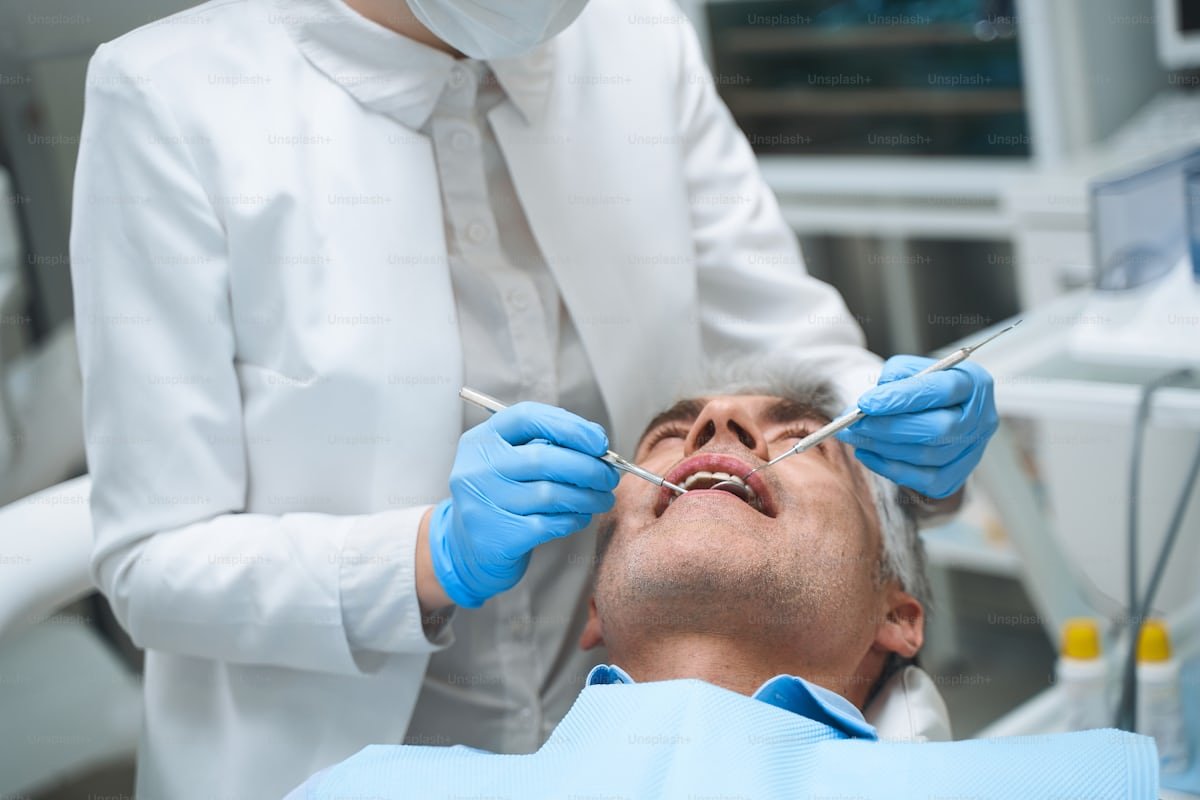
Selecting a dental professional for advanced procedures is a decision that extends far beyond a simple search for the most convenient office location. Advanced dental care encompassing complex restorative work, surgical extractions, dental implants, and full-mouth rehabilitations requires a level of precision and biological understanding that surpasses routine preventive maintenance.
Because oral health is a primary indicator of systemic well-being, the professional you choose acts as a critical architect of your long-term health. A truly skilled dentist in this field must balance high-level clinical mastery with an artistic eye for aesthetics and a deep commitment to patient safety. Unlike standard cleanings, advanced treatments often involve permanent alterations to the jawbone and gum tissue, making the expertise of your provider a definitive factor in the success of the outcome.
Finding the right fit requires a methodical evaluation of a practitioner’s post-graduate training, their integration of cutting-edge diagnostic technology, and their ability to communicate complex treatment plans with transparency and empathy.
By taking the time to conduct thorough due diligence, you empower yourself to move forward with a partner who prioritizes your vitality, ensuring that your journey toward a functional and beautiful smile is grounded in evidence-based medicine and compassionate, personalized care.
Prioritizing Specialized Training and Clinical Expertise
The first pillar of your evaluation should be the dentist’s educational background and their commitment to ongoing professional development. Advanced dental care is an ever-evolving field, and a practitioner must stay abreast of the latest surgical techniques and bio-compatible materials to provide the best results.
If you are searching for a clinician who combines extensive hands-on experience with a patient-centered philosophy, you might consider how the expertise of Dr. Nick Ruggio can provide the specialized focus and technical proficiency required for your complex dental needs effectively. Beyond a standard degree, look for a dentist who has completed prestigious residencies or fellowships in implantology or restorative dentistry.
A skilled professional will be proud to discuss their continuing education credits and their memberships in organizations like the American Academy of Implant Dentistry. This dedication to lifelong learning ensures that they are not merely practicing “traditional” methods but are utilizing modern, minimally invasive protocols that lead to faster healing times and more predictable, long-lasting clinical outcomes for their patients.
Evaluating the Integration of Modern Diagnostic Technology
In the realm of advanced dental care, technology is not a luxury; it is a necessity for accurate diagnosis and successful treatment execution. A skilled dentist will utilize a digital workflow, starting with 3D cone-beam computed tomography (CBCT) to visualize the jawbone, nerve pathways, and sinus cavities in three dimensions. This level of detail is essential for the safe placement of dental implants and the planning of complex oral surgeries. You should also look for the use of intraoral scanners, which replace messy traditional impressions with highly accurate digital maps of your mouth.
These tools allow for the fabrication of custom-fit restorations that integrate seamlessly with your natural bite. During your consultation, ask the dentist to show you how they use these digital tools to plan your specific case. A practitioner who invests in the latest diagnostic equipment demonstrates a commitment to precision and patient safety, reducing the risk of complications and ensuring that every aspect of your advanced treatment is calculated with scientific exactitude.
Assessing the Environment and Patient Comfort Protocols
Advanced dental procedures can often be lengthy and may induce anxiety in even the most stoic patients. Therefore, the atmosphere of the clinic and the sedation options provided are critical factors to consider. A premier dental office should feel like a sanctuary of health rather than a sterile, intimidating environment.
Observe the office culture: is the staff collaborative and respectful? Do they offer amenities like noise-canceling headphones, weighted blankets, or climate-controlled treatment rooms? More importantly, a skilled dentist for advanced care should be certified in various levels of sedation, ranging from nitrous oxide to IV sedation. This ensures that you can remain completely relaxed and pain-free during complex surgeries or multi-hour restorative sessions.
The “comfort factor” is not just about a pleasant experience; it is about physiological safety. When a patient is relaxed, their body’s inflammatory response is lower, which can actually improve the initial stages of the healing process and contribute to a more positive overall recovery.
Reviewing the Portfolio of Successful Case Outcomes
One of the most reliable ways to evaluate a dentist’s skill level is to examine their previous work. A confident and experienced provider will maintain a comprehensive gallery of “before and after” photos of actual patients they have treated for similar advanced issues. When reviewing these cases, look for natural-looking results crowns that match the translucency of real teeth, gum lines that are symmetrical, and implants that appear to emerge naturally from the tissue. Ask the dentist to explain the challenges of a specific case and how they overcame them.
This transparency provides insight into their problem-solving abilities and their aesthetic sensibilities. Furthermore, look for verifiable patient testimonials that speak to the longevity of the work. It is one thing for a restoration to look good on the day it is placed; it is quite another for it to remain functional and beautiful five or ten years later. A skilled dentist builds for the long term, focusing on structural integrity as much as visual appeal.
Understanding the Comprehensive Treatment Planning Process
Advanced dental care should never be a fragmented experience; it requires a cohesive, phased treatment plan that addresses both immediate needs and long-term stability. A skilled dentist will conduct a thorough “co-discovery” session with you, discussing your health history, your aesthetic goals, and your budget.
They should provide a written roadmap that outlines each step of the process, including the healing periods required between surgical phases. This plan should also include a clear breakdown of the costs involved, avoiding any hidden fees or “surprise” charges mid-treatment.
A reliable practitioner acts as a project manager for your oral health, coordinating with any necessary specialists to ensure a seamless experience. If a dentist suggests a complex procedure without first performing a comprehensive exam or explaining the “why” behind the recommendation, it is a significant red flag. You deserve an advocate who empowers you with information, allowing you to make an educated decision about your body and your future smile.
Analyzing Reputation and Peer Recognition in the Community
In the world of specialized medicine, a professional’s reputation among their peers is a powerful indicator of their skill. A dentist who is frequently referred to by other local practitioners for complex cases is likely at the top of their field. You can research this by looking for leadership roles in local dental societies or checking professional rating sites like Martindale-Hubbell or peer-reviewed lists in local business journals. Additionally, consider the longevity of the practice and the retention of its staff.
A team that has worked together for many years often operates with a high level of efficiency and mutual trust, which translates to better care for the patient. You should also seek out reviews that specifically mention “advanced” or “complex” work. While many dentists are great at simple fillings, you need a specialist who is respected for their ability to handle the “difficult” cases that other offices might turn away, ensuring you receive the highest tier of advocacy.
Checking Insurance Compatibility and Financial Transparency
Advanced dental procedures represent a significant financial investment, and the clinic you choose should be a partner in making that care accessible. Reliable dentists are transparent about their fee structures and will work with your insurance provider to maximize your benefits. However, they should also offer flexible third-party financing options like CareCredit or Proceed Finance to help break down the cost into manageable monthly payments. During your evaluation, speak with the office’s financial coordinator.
They should be knowledgeable about your coverage and willing to provide a pre-treatment estimate so you know exactly what your out-of-pocket responsibility will be.
Be cautious of “bargain” dentistry for advanced procedures; the cheapest option often involves lower-quality materials or a less experienced surgeon, which can lead to expensive failures and health complications later. A trustworthy firm provides a fair price that reflects their high-level expertise, the quality of the bio-materials used, and the advanced technology employed to ensure your safety and success.
Trusting Your Intuition and the Initial Consultation Impression
Ultimately, the final step in selecting a skilled dentist is to trust your personal intuition during the initial consultation. You are looking for a combination of clinical confidence and human empathy. Does the dentist take the time to answer all your questions, or do they seem rushed to get to the next operatory? Do they treat you as a whole person, acknowledging any fears or concerns you might have? The relationship between a patient and an advanced care dentist is often a long one, involving multiple visits over several months.
You need to feel a genuine sense of rapport and trust. If you leave the consultation feeling informed, respected, and confident in the dentist’s vision for your health, you have likely found the right partner. Don’t be afraid to visit two or three different offices until you find the one that resonates with your values. Choosing the right skilled professional is the most important step in reclaiming your oral health, your confidence, and your quality of life for the years to come.
Frequently Asked Questions (FAQs)
1. What exactly qualifies as “advanced dental care”?
Advanced dental care refers to complex treatments that go beyond routine fillings and cleanings. This includes dental implant surgery, bone grafting, full-mouth reconstruction, complex endodontics (root canals), and the treatment of severe periodontal disease or TMJ disorders.
2. Is a general dentist allowed to perform advanced procedures?
Yes, general dentists are legally allowed to perform most dental procedures. However, “skilled” dentists for advanced care usually have hundreds of hours of additional post-graduate training specifically in those complex areas to ensure a higher success rate and better safety.
3. How can I tell if a dentist is using the best dental implants?
Ask the dentist which manufacturer they use. Reputable dentists use implants from globally recognized leaders like Straumann, Nobel Biocare, or Zimmer Biomet. These companies have decades of clinical research backing the success and integration of their products.
4. Will advanced dental procedures be painful?
With modern anesthesia and sedation techniques, you should feel no pain during the actual procedure. A skilled dentist will also provide a detailed post-operative pain management plan, often including anti-inflammatories, to ensure your recovery is as comfortable as possible.
5. How long do advanced dental restorations like implants or bridges last?
When performed by a skilled professional and maintained with good oral hygiene, dental implants can last a lifetime. Crowns and bridges typically last between 10 to 15 years, though many last much longer with proper care and regular checkups.
Conclusion
Selecting a skilled dentist for advanced dental care is a pivotal decision that requires a balance of objective research and personal intuition. By focusing on specialized training, the integration of modern diagnostic technology, and a proven track record of successful case outcomes, you position yourself for a safe and effective transformation. Advanced dentistry is not just about fixing teeth; it is about restoring function, protecting systemic health, and renewing your self-confidence.
The right dentist will act as your advocate, providing a transparent and comprehensive treatment plan that respects both your clinical needs and your personal comfort. Do not settle for the most convenient or the least expensive option when your long-term health is at stake. Instead, look for a practitioner who demonstrates a commitment to excellence and a genuine passion for patient care. With the right expert by your side, you can navigate the complexities of advanced dental treatment with peace of mind, knowing that your smile is in the hands of a true master of the craft.
