
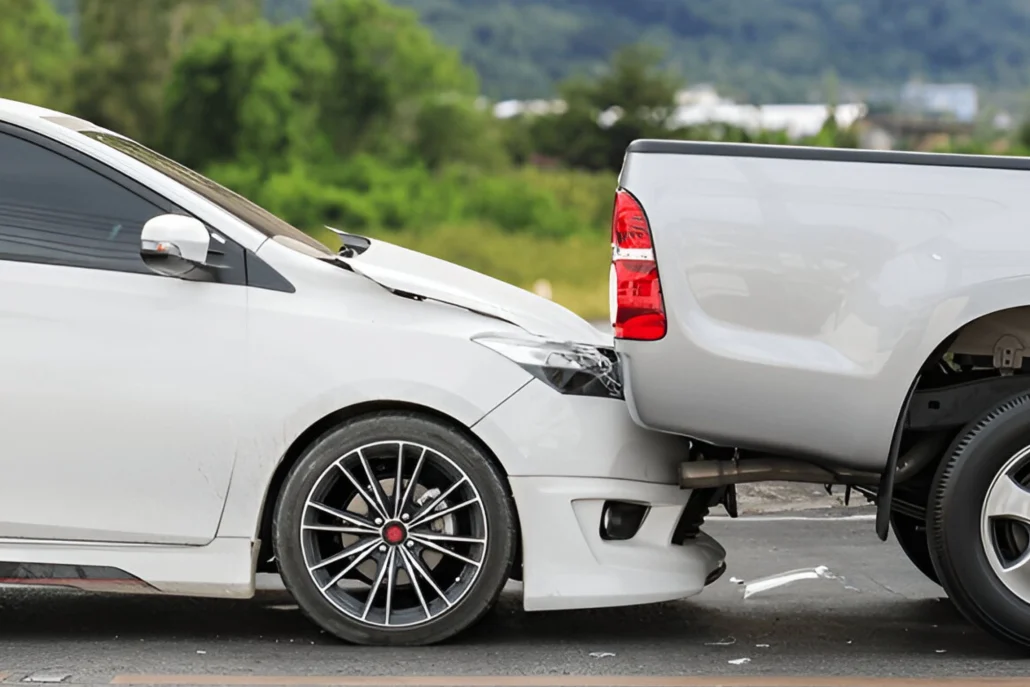
Getting rear ended is frustrating. But when the driver who hit you is operating a company vehicle, the case becomes much more complex and potentially far more valuable.
This is not just about one driver anymore.
It is about whether a business can be held responsible for what happened. A skilled rear end accident lawyer knows how to uncover that liability and use it to your advantage.
Why Company Vehicle Accidents Are Different
When a crash involves a company vehicle, there may be a larger insurance policy and a business entity behind the driver.
This changes the entire case.
Instead of dealing only with an individual driver, you may be dealing with:
- A corporation
- Commercial insurance carriers
- Legal teams representing the company
That means more resistance, but also more opportunity for full compensation.
What Is Employer Liability?
Employer liability is based on a legal principle called vicarious liability, where an employer can be held responsible for the actions of an employee.
This typically applies when the employee was acting within the scope of their job at the time of the crash.
For example:
- A delivery driver making scheduled stops
- A technician traveling between job sites
- A company driver transporting equipment
If the crash happened while the employee was performing work duties, the employer may be liable.
When Is a Company Responsible for a Rear End Crash?
To hold a company responsible, you generally need to prove that the driver was acting within the scope of employment.
This includes situations where the driver was:
- On the clock
- Performing job related tasks
- Driving a company owned or assigned vehicle
- Acting in furtherance of the company’s business
If these factors are met, the employer may be legally responsible for damages.
A rear end accident lawyer will investigate employment status and job duties to establish this connection.
What If the Driver Was Off Duty?
Companies often try to avoid liability by arguing that the driver was not working at the time of the crash.
For example:
- The driver was commuting
- The driver was running a personal errand
- The vehicle was used without permission
These arguments can sometimes limit or eliminate employer liability.
However, each case is fact specific.
Even if the driver was not clearly “on duty,” there may still be arguments for employer responsibility depending on how the vehicle was used.
Direct Negligence by the Employer
In some cases, the company itself may be directly negligent.
This goes beyond vicarious liability.
Examples include:
- Hiring an unqualified or unsafe driver
- Failing to train employees properly
- Ignoring safety violations
- Poor vehicle maintenance
- Encouraging unsafe driving practices (tight delivery deadlines, unrealistic schedules)
If a company’s actions contributed to the crash, it can be held directly accountable.
Why Rear End Collisions Still Matter
Rear end accidents are often presumed to be the fault of the driver in the back.
This presumption can help your case, even when a company vehicle is involved.
However, companies and insurers may still try to argue:
- You stopped suddenly
- Traffic conditions caused the crash
- The driver acted reasonably
A rear end accident lawyer will challenge these defenses and focus on the driver’s duty to maintain a safe following distance.
Evidence That Proves Employer Liability
Building a strong case requires more than just a police report.
Key evidence may include:
- Employment records
- Driver schedules and logs
- GPS and vehicle tracking data
- Company policies and training manuals
- Maintenance records
- Witness statements
In some cases, internal company documents can reveal unsafe practices or pressure on drivers that contributed to the crash.
Why These Cases Are Often High Value
When a company is involved, the available insurance coverage is often significantly higher than in a standard car accident.
This means:
- Greater potential compensation
- More aggressive defense from insurers
- More complex negotiations
Companies will fight hard to protect themselves, especially when large payouts are at stake.
How Bojat Law Group Builds Employer Liability Cases
Cases involving company vehicles require strategy and precision.
At Bojat Law Group, these claims are built to identify every responsible party and maximize recovery.
The firm:
- Investigates employment relationships and job duties
- Secures company records and driving data
- Identifies both vicarious and direct liability
- Prepares each case for litigation if necessary
This approach creates leverage and puts pressure on corporate defendants.
What To Do After Being Rear Ended by a Company Vehicle
If you are involved in this type of crash, take these steps:
- Get medical attention immediately
- Document the vehicle and any company branding
- Obtain driver and employer information
- Take photos and gather witness details
- Avoid speaking with company representatives or insurers without legal advice
Early action can make a significant difference in your case.
Speak With a Rear End Accident Lawyer Today
Rear end accidents involving company vehicles are not simple claims. They require investigation, strategy, and a deep understanding of employer liability.
If you were injured, call (818) 877-4878 for a free consultation.
You pay nothing unless compensation is recovered.
