
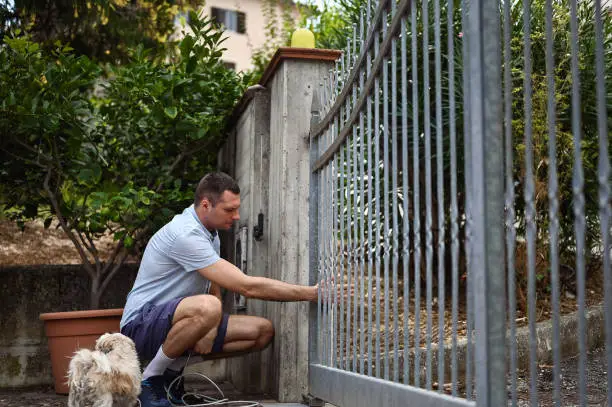
A well-built fence adds security, privacy, and value to any property. Many homeowners consider tackling the job themselves with kits from home improvement stores. However, professional installation often proves to be the smarter long-term choice. Trained crews understand local soil conditions, building codes, and proper techniques that keep a fence straight and strong for years.
Why Hire Professionals Instead of Going DIY
Professional fence installers bring experience that most weekend warriors lack. They know how different soils affect post stability. In areas like Dallas with heavy clay, posts need deeper holes and sometimes extra reinforcement to handle soil movement during wet and dry seasons. Pros also check property lines accurately to prevent neighbor disagreements down the road.
They handle permits and utility locates so you do not have to chase paperwork. Most cities require permits for taller fences or those near property edges. Professionals pull these permits and schedule the required inspections. They call 811 before digging to mark underground lines, which helps avoid expensive damage or safety issues.
Choosing the Right Fence Materials
Material selection makes a big difference in how long a fence lasts and how much maintenance it needs. Wood fences offer a classic look. Cedar and pressure-treated pine are common choices because they resist rot and insects better than untreated lumber. Professionals space the boards correctly to allow for natural expansion and use quality fasteners that hold up over time.
Vinyl fences have grown in popularity due to low maintenance. Modern vinyl products include UV protection to prevent fading in strong sunlight. Installers often add steel reinforcement inside gates and posts because standard vinyl can sag under heavy use. Aluminum and steel options provide durability and a clean appearance. These materials come with factory-applied powder coating that resists chipping far better than on-site painting.
Chain-link fences remain practical for yards that need visibility and strength. Pros install tension wire at the bottom and use proper hardware for gates that close automatically when required by local pool safety rules.
The Professional Installation Process
The job starts with a detailed site visit. Installers measure the property, note slopes, trees, and any obstacles. They mark post locations precisely so the finished fence follows the land naturally.
Once permits are approved, the crew returns with equipment. They dig post holes to the correct depth, usually 24 to 36 inches depending on fence height and local frost lines. Posts are set plumb using levels or laser tools. Concrete is poured around each post and allowed to cure fully, often for 48 hours, before rails or panels are attached.
Rails are fastened securely, and panels or pickets are installed with consistent spacing. Gates receive special attention with heavy-duty hinges and latches. Professionals make sure gates swing smoothly and latch properly every time.
Understanding the Costs
Professional fence installation costs more upfront than buying materials and doing the work yourself. A basic wood fence for a typical backyard might range from $4,500 to $8,000 installed, depending on length and style. Ornamental aluminum or taller privacy fences can run higher, especially with custom gates or sloped terrain.
Quotes from reputable companies include all labor, materials, permits, and cleanup. They account for challenges like rocky soil, tree roots, or irrigation lines. Be wary of unusually low bids that might cut corners on depth, concrete, or hardware.
How to Select a Reputable Fence Company
Look for companies with proper insurance and warranties. A good installer carries at least one million dollars in liability coverage. Many offer five- to fifteen-year warranties on both materials and workmanship.
Check for membership in industry groups like the American Fence Association, which indicates ongoing training. Ask for references and drive by recent local installations to see the quality for yourself. Professional fence company crews arrive in marked vehicles, wear company shirts, and protect your landscaping during the job.
Avoid contractors who demand full payment upfront or push for same-day decisions. Quality companies provide written estimates and are willing to answer questions about their process.
Maintenance Tips for a Long-Lasting Fence
Even the best-installed fence benefits from regular care. Wood fences should be sealed or stained every couple of years to protect against moisture. Vinyl and aluminum need occasional washing to remove dirt and mildew. Metal fences should be inspected for rust spots and touched up promptly.
Many professional installers offer a free inspection during the first year to catch any minor issues early. Simple steps like tightening hardware and checking post stability can prevent bigger problems later.
Final Thoughts
Professional fence installation delivers results that DIY projects rarely match. The combination of proper planning, quality materials, and skilled labor creates a fence that enhances your property for many years. Taking time to choose the right company and materials pays off in fewer repairs, better appearance, and greater peace of mind.
