
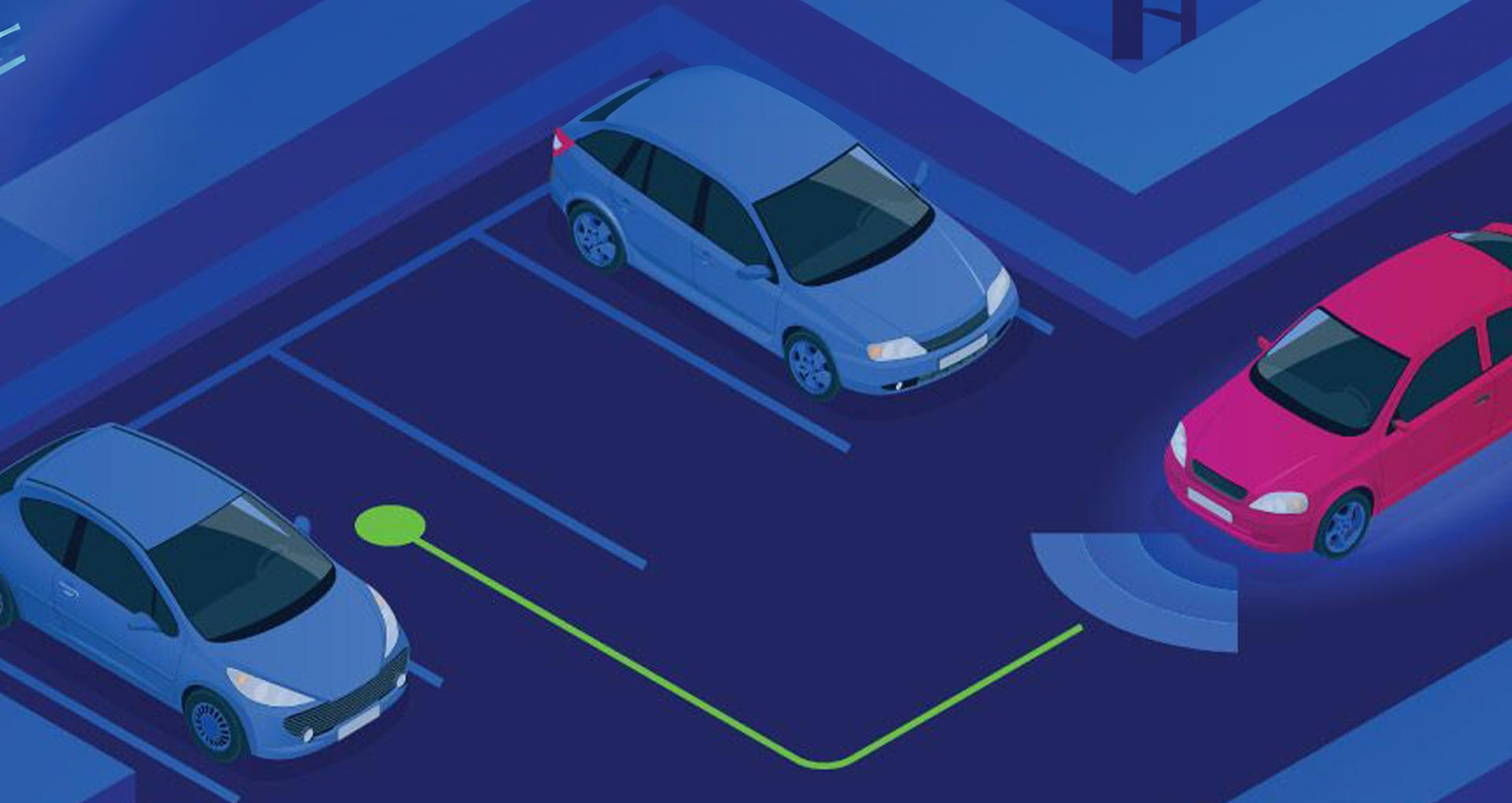
Finding a convenient and secure place to park for a short duration is a common challenge for commuters, travelers, and city visitors. Short term parking solutions are designed to meet this need, providing temporary vehicle storage for a few hours to a day. Whether you are visiting a busy downtown area, traveling through an airport, or running errands in a congested urban center, understanding the options, benefits, costs, and best practices associated with short term parking is essential for an efficient and stress-free experience.
Parking management has evolved significantly over the past decades. Modern short term parking facilities offer advanced payment systems, enhanced security measures, and flexible time options. They cater to both private and commercial vehicles and provide a variety of features such as covered spaces, valet services, and digital access controls. By utilizing short term parking effectively, drivers can save time, avoid fines, and focus on their activities without worrying about vehicle safety or availability.
What Is Short Term Parking?
Short term parking refers to designated areas where vehicles can be parked for brief periods, typically ranging from a few minutes to 24 hours. Unlike long term parking, which accommodates extended stays for days or weeks, short term parking is ideal for activities that require temporary stops, such as shopping, dining, airport drop-offs, or attending appointments.
The primary purpose of short term parking is convenience. Spaces are usually located close to entrances, terminals, or key destinations, minimizing walking distance and providing easy access. In urban environments, short term parking plays a crucial role in managing traffic flow, reducing congestion, and facilitating smooth business operations.
Many cities, airports, and commercial establishments enforce strict time limits in short term parking areas. This encourages turnover, ensuring that spaces are available for multiple users throughout the day. Parking attendants or automated systems often monitor these areas to enforce compliance, helping maintain efficiency and fairness.
Benefits of Short Term Parking
Convenience and Accessibility
The most immediate benefit of short term parking is convenience. Drivers can park near their destination, complete errands or activities quickly, and depart without the hassle of long walks or complex navigation. For travelers, airport short term parking allows easy access to terminals, reducing the stress of rushing through security or boarding gates.
Reduced Traffic Congestion
By providing designated short term parking spaces, cities and commercial areas can manage traffic flow more effectively. Clearly marked zones prevent drivers from circling streets in search of parking, which often leads to congestion and delays. Efficient short term parking solutions contribute to safer and more organized roadways.
Flexibility
Short term parking offers flexibility for a variety of vehicle types and user needs. Drivers can choose hourly rates, pay as they go, or utilize digital platforms for reservations. Many facilities provide options for cars, motorcycles, and even bicycles, making them accessible to a wide range of commuters and visitors.
Enhanced Safety and Security
Modern short term parking facilities often include security features such as surveillance cameras, gated access, and on-site attendants. This reduces the risk of theft, vandalism, or accidental damage, giving drivers peace of mind during their brief stay. Covered parking areas also protect vehicles from harsh weather conditions, extending the lifespan of the car’s exterior and interior.
Types of Short Term Parking
Short term parking is not a one-size-fits-all solution. Various types are tailored to different environments and user requirements:
On-Street Short Term Parking
On-street short term parking spaces are commonly found in urban areas, shopping districts, and commercial zones. These spaces are typically regulated by meters, signs, or parking apps that limit parking duration and ensure turnover. On-street parking provides convenience for quick stops, although availability may be limited during peak hours.
Off-Street Parking Lots
Commercial parking lots and garages offer off-street short term parking options. These facilities provide a controlled environment with marked spaces, security measures, and clearly defined entry and exit points. Many off-street lots offer pay-per-hour rates, making them ideal for shoppers, office visitors, or tourists.
Airport Short Term Parking
Airports provide dedicated short term parking areas for travelers who need to park for a few hours while dropping off or picking up passengers. These spaces are located near terminals for easy access and are priced at hourly rates. Some airports also offer valet services, reducing walking distances and saving time for busy travelers.
Valet Parking Services
Valet services are a premium form of short term parking often available at hotels, restaurants, hospitals, and high-traffic commercial centers. Drivers hand over their vehicles to trained attendants who park and retrieve the car efficiently. Valet parking offers maximum convenience, although it is typically more expensive than self-parking options.
Cost Considerations for Short Term Parking
Pricing for short term parking depends on location, duration, facility type, and additional services such as covered parking or valet. Hourly rates are common, with higher fees in areas with heavy demand, such as airports, downtown business districts, and entertainment hubs.
Some facilities offer tiered pricing, with lower rates for early arrivals and increased charges during peak periods. Digital platforms and mobile apps may provide discounted rates for pre-booked parking or subscription services, allowing drivers to plan their parking in advance and save money.
While short term parking fees may seem higher compared to long term parking, the convenience, proximity, and time savings often outweigh the cost. For travelers, avoiding missed flights or long walks to terminals provides substantial value.
Common Challenges in Short Term Parking
Despite its benefits, short term parking presents certain challenges. High-demand areas may experience limited availability during peak hours, requiring drivers to search multiple lots or risk waiting. Metered on-street spaces may also involve strict enforcement, and failure to comply can result in fines.
Urban congestion is another challenge. Drivers circling blocks to find parking increase traffic, emissions, and frustration. Well-planned short term parking management, including digital reservations and clear signage, helps mitigate these issues.
For airports and popular destinations, security screenings and entrance queues can extend total parking time. Travelers should allocate extra time to account for both parking and access to their destination.
The Future of Short Term Parking
Technological advancements are transforming short term parking solutions. Smart parking systems integrate sensors, mobile applications, and automated payment methods to streamline the parking experience. Real-time availability updates, digital reservations, and cashless payments reduce congestion, increase turnover, and enhance user convenience.
Electric vehicle (EV) charging integration is becoming increasingly common in short term parking facilities, allowing drivers to charge their vehicles while running errands or traveling. These features reflect a shift toward sustainability and adaptability in urban infrastructure.
Autonomous vehicle technology may also influence short term parking in the future, with self-parking cars and optimized traffic management reducing the need for human intervention and maximizing space utilization.
Conclusion
Short term parking plays a critical role in modern urban life, offering convenience, safety, and efficiency for drivers with temporary parking needs. From on-street meters and commercial lots to airport terminals and valet services, these options provide flexibility for a variety of users. Effective short term parking management reduces congestion, enhances safety, and ensures smooth traffic flow in busy areas.
By understanding the types of short term parking, cost considerations, and best practices for usage, drivers can make informed decisions and enjoy a hassle-free experience. As technology continues to evolve, smart parking solutions, EV integration, and improved digital platforms promise to make short term parking even more accessible, secure, and user-friendly. Investing time in planning and selecting the right short term parking option ensures convenience, peace of mind, and a seamless experience for any temporary stop.
