
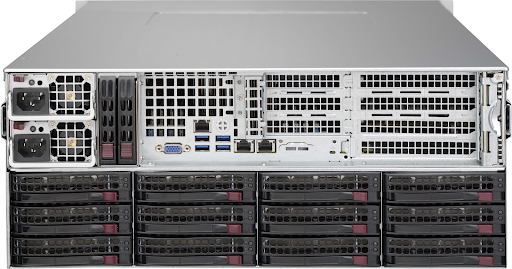
How Supermicro Servers Boost Performance in Enterprise IT Systems
Enterprise IT systems carry the weight of daily operations. Databases must respond instantly, virtual machines must remain stable, and analytics platforms must process growing volumes of data without delay. When infrastructure slows down, productivity drops and operational risk increases. For business owners and IT decision-makers, performance is not just a technical metric. It directly impacts revenue, customer experience, and long-term growth.
Supermicro platforms are built to meet these demands. Through high-density architecture, workload-focused engineering, and advanced thermal management, they strengthen enterprise environments where speed and consistency matter most.
Building a High-Performance Infrastructure Core
A strong IT foundation begins with purpose-built hardware. Supermicro Servers are designed with modular, open-standards architecture that allows precise alignment between hardware resources and enterprise workloads. This flexibility ensures systems are configured to handle virtualization, AI processing, cloud applications, and storage-heavy environments efficiently.
Instead of relying on generic server builds, organizations gain infrastructure tailored to performance requirements. This alignment reduces bottlenecks and improves resource utilization across the IT stack.
1. High-Core Processor Support for Intensive Computing
Enterprise performance depends heavily on processing power. Supermicro platforms support advanced processors such as Intel Xeon and AMD EPYC, offering high core counts and multi-threaded capability.
This level of compute density improves workload distribution across virtual machines and large-scale databases. Applications maintain responsiveness even during traffic spikes, reducing latency and preventing system slowdowns.
2. GPU Acceleration for Data-Driven Workloads
Modern enterprise systems often run AI models, simulations, and analytics engines. These tasks require parallel processing power beyond traditional CPUs.
Supermicro platforms integrate GPU acceleration, including support for NVIDIA HGX technologies. By distributing complex calculations across GPU cores, enterprises experience faster model training, improved rendering speeds, and stronger data analysis throughput without impacting other services.
3. High-Bandwidth Memory for Faster Data Flow
Memory performance directly affects how quickly systems handle real-time processing. Supermicro servers support advanced memory configurations, including high-speed DDR5 modules.
Increased memory bandwidth reduces latency between compute and storage layers. As a result, enterprise applications process transactions and large datasets with improved stability and reduced delay.
4. NVMe and Storage Optimization for Rapid Access
Storage architecture plays a central role in enterprise IT speed. Supermicro Servers support NVMe drives and high-performance storage backplanes that enable rapid read and write operations.
Faster storage access improves database performance, accelerates application loading times, and enhances the reliability of mission-critical systems. Enterprises benefit from smoother operations across ERP, CRM, and analytics platforms.
5. Advanced Cooling for Consistent Output
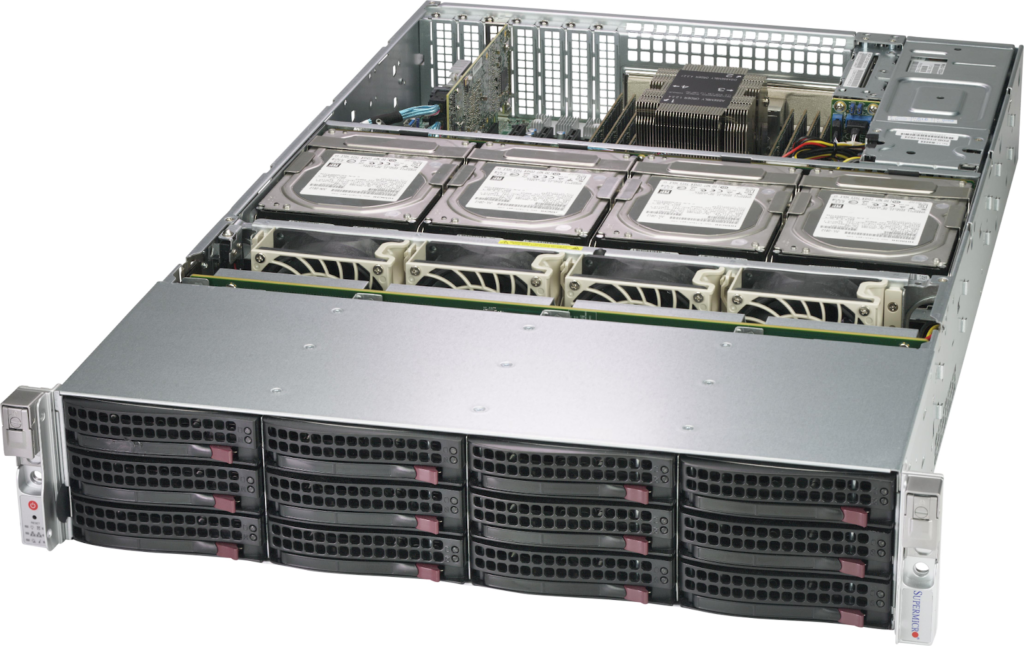
High-performance servers generate significant heat under continuous workloads. Without effective thermal control, processing speeds can drop due to throttling.
Supermicro Server Systems incorporates intelligent airflow designs and optional liquid cooling solutions in select configurations. These cooling innovations maintain stable temperatures, ensuring sustained performance even during peak operational periods.
6. Modular Expansion for Scalable Growth
Enterprise IT systems must evolve alongside organizational growth. Supermicro’s modular design enables expansion of processors, memory, storage, and networking without full system replacement.
This scalability allows infrastructure to adapt without disrupting operations. Businesses can extend performance capacity while maintaining architectural stability and cost efficiency.
7. High-Speed Networking for Low-Latency Communication
Enterprise applications rely on constant data exchange between servers, storage arrays, and cloud platforms. These platforms commonly integrate high-bandwidth networking options such as 10GbE, 25GbE, and beyond.
Enhanced network throughput reduces latency in distributed environments. Stable connectivity strengthens collaboration between workloads and ensures uninterrupted communication across data centers.
8. Workload-Optimized Configurations for Efficiency
Supermicro designs platforms optimized for specific enterprise demands, including virtualization clusters, AI environments, and software-defined storage systems.
By matching hardware architecture to workload characteristics, enterprises eliminate unnecessary overhead. This optimization improves system efficiency and ensures predictable performance under pressure.
A Strategic Advantage in Enterprise IT
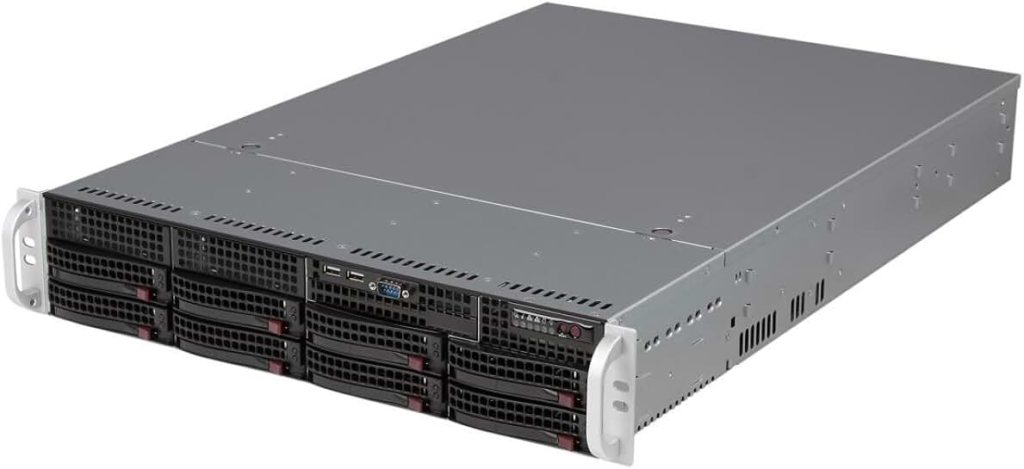
Supermicro servers strengthen enterprise IT by combining compute density, fast memory, optimized storage, and advanced cooling within scalable architectures. These elements work together to deliver consistent speed and operational stability across demanding workloads.
Choosing the right deployment partner also shapes long-term performance. Large resellers such as CDW and Insight offer extensive catalogs, but their focus often centers on volume rather than deep workload alignment.
Cloud Ninjas takes a more tailored approach by aligning configurations directly with enterprise goals instead of promoting standard bundles. This focus on precision enables organizations to unlock the full performance potential of Supermicro platforms while maintaining long-term reliability and growth readiness.
