
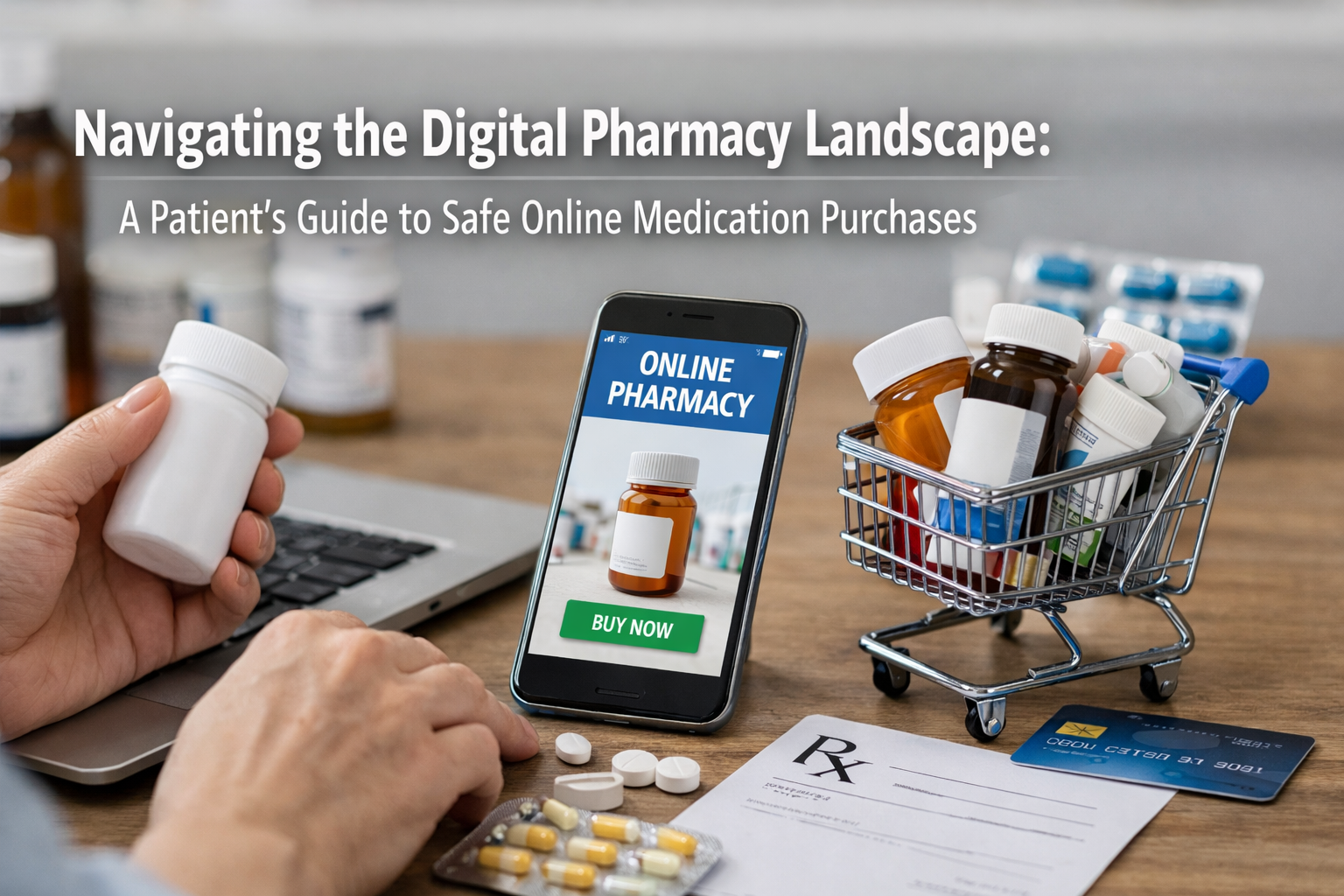
The way we access healthcare is evolving rapidly. What once required a trip to the local pharmacy can now be accomplished with a few keystrokes. For millions of people managing chronic conditions, balancing busy schedules, or living in remote areas, online pharmacies have become an essential resource. Yet with this convenience comes a critical responsibility: ensuring that the medications arriving at your doorstep are safe, authentic, and properly prescribed. This article provides a comprehensive framework for patients to navigate the digital pharmacy landscape with confidence, prioritizing health above all else.
Understanding the Appeal of Online Pharmacies
It is easy to understand why online pharmacies have gained such widespread popularity. They offer convenience that traditional pharmacies cannot match—24/7 availability, home delivery, and the ability to compare prices across multiple providers. For individuals with mobility challenges or those caring for family members, this accessibility can be life-changing. Additionally, online pharmacies often provide detailed medication information, auto-refill services, and discreet packaging for sensitive prescriptions.
However, the very features that make online pharmacies attractive also create opportunities for exploitation. Unscrupulous operators have built sophisticated websites that mimic legitimate pharmacies, complete with professional design, customer service chat functions, and seemingly authentic reviews. Their goal is to appear trustworthy while operating outside regulatory frameworks, often selling counterfeit or substandard medications without requiring a prescription.
The Critical Importance of Prescription Oversight
At the heart of medication safety lies the prescription process. Prescription drugs are classified as such because they require professional oversight. A licensed healthcare provider evaluates your medical history, current health status, potential drug interactions, and individual risk factors before determining whether a medication is appropriate for you. This evaluation is not a bureaucratic hurdle—it is a vital safety measure.
Consider medications that affect the central nervous system, such as benzodiazepines used for anxiety or sleep disorders. These drugs carry significant risks, including tolerance, dependence, and potentially fatal withdrawal syndromes. A responsible prescriber will start with the lowest effective dose, monitor for side effects, and establish a clear plan for use. When patients bypass this process by obtaining such medications without a prescription, they lose these safeguards entirely. The result can be ineffective treatment, unexpected adverse reactions, or even life-threatening complications.
Red Flags That Signal Danger
Becoming a savvy consumer of online pharmacy services starts with recognizing the warning signs of illegitimate operations. These red flags should prompt immediate caution and further investigation:
- No prescription required. This is the most definitive red flag. Legitimate pharmacies always require a valid prescription from a licensed healthcare provider for prescription medications.
- Unusually low prices. If a website offers brand-name medications at a fraction of the typical cost, the products are likely counterfeit or diverted from unsafe supply chains.
- Foreign or no physical address. Reputable online pharmacies provide a verifiable physical address and license information. Sites that list only a P.O. box or no address at all should be avoided.
- No pharmacist access. A legitimate pharmacy employs licensed pharmacists who are available to answer questions. If you cannot easily speak with a pharmacist, consider it a serious concern.
- Spam or unsolicited offers. Legitimate pharmacies do not send unsolicited emails offering prescription drugs. Such messages are almost always associated with illegal operations.
Building a Safety-First Decision Framework
To protect yourself when considering an online pharmacy, adopt a systematic approach that prioritizes verification over convenience. Follow these steps before placing any order:
Step 1: Verify Licensing and Accreditation
Start by checking whether the online pharmacy is accredited by a recognized regulatory body. In the United States, the National Association of Boards of Pharmacy (NABP) operates the .pharmacy program and the Verified Internet Pharmacy Practice Sites (VIPPS) accreditation. A VIPPS‑accredited pharmacy has undergone rigorous inspection and meets high safety standards. International consumers can look for equivalent certifications in their countries.
Step 2: Confirm Prescription Requirements
A legitimate online pharmacy will always require a valid prescription. Some may offer the service of contacting your healthcare provider directly to obtain the prescription, while others will ask you to upload or mail it. Be wary of any site that offers to prescribe medications based on an online questionnaire alone—this is not a substitute for a proper medical evaluation.
Step 3: Consult Your Healthcare Provider
Before using any new online pharmacy, discuss it with your doctor or local pharmacist. They may already know which online services are reputable. Additionally, your healthcare provider can ensure that the medication you intend to order is appropriate for your condition and will not interact dangerously with other treatments.
Step 4: Examine the Website Thoroughly
Look for clear contact information, including a physical address and phone number. The site should provide details about its licensing and should prominently display its accreditation seals. Ensure that the website uses secure encryption—indicated by “https” in the URL—to protect your personal and payment information.
Step 5: Start with a Small Order
If you have verified that a pharmacy appears legitimate, consider starting with a small order to evaluate the experience. Pay attention to the packaging, labeling, and the medication itself. If anything seems off—unusual appearance, missing manufacturer information, or unexpected side effects—stop using the product and consult your healthcare provider immediately.
Accessibility and Responsibility: Finding the Balance
One of the stated goals of many online pharmacy platforms is to make healthcare more accessible. This is a commendable objective, as access barriers remain a significant challenge in healthcare systems worldwide. Patients should be able to obtain their medications conveniently without sacrificing safety.
For those exploring options, some platforms emphasize both accessibility and quality. sneldroogworden is an example of a service that highlights the importance of making high-quality medicines easily available. Regardless of which platform you consider, the principles of safety remain unchanged: require a prescription, verify credentials, and maintain open communic
