
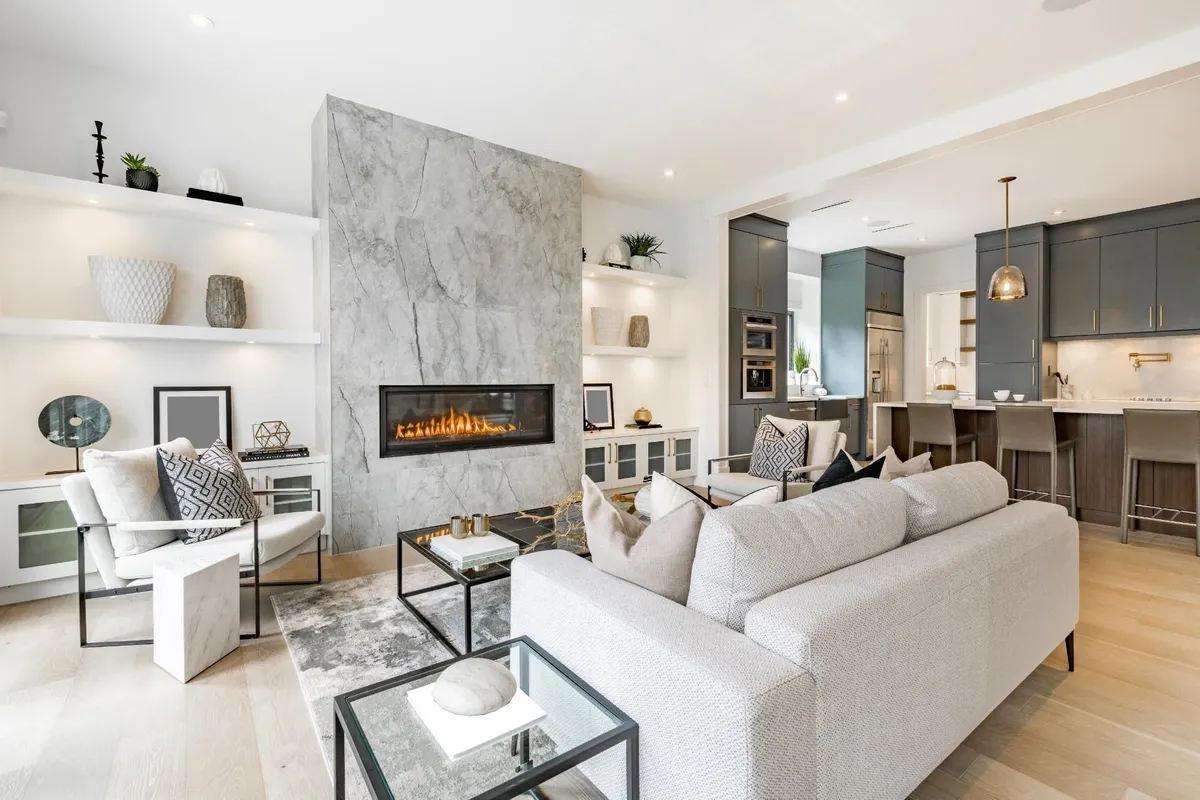
Understanding Interior Design and Its Importance
Interior design is much more than simply arranging furniture or selecting decorative pieces; it is the deliberate process of creating environments that enhance both functionality and aesthetics. Every decision from lighting and color schemes to furniture placement and material selection shapes how a space is perceived, how efficiently it is used, and how comfortable it feels. Effective interior design considers the needs, habits, and personality of occupants while optimizing the flow, usability, and harmony of a space.
In residential settings, interior design plays a pivotal role in improving day-to-day life. A thoughtfully designed kitchen, for example, can streamline meal preparation, while a well-planned living area promotes comfort and social interaction. In commercial or office environments, interior design can boost productivity, enhance employee well-being, and create a professional, welcoming atmosphere for clients. By addressing both functional and aesthetic goals, interior design transforms ordinary rooms into practical, inviting spaces that support lifestyle needs and elevate the overall environment.
Key Elements of Interior Design
Successful interior design relies on a combination of space planning, color, lighting, materials, and furniture selection to create cohesion and functionality. Space planning ensures efficient layouts by carefully positioning furniture, storage solutions, and focal points, optimizing traffic flow, and preventing clutter. Color choices impact mood and perception, influencing whether a room feels calm, energetic, or sophisticated, and creating visual continuity between connected spaces.
Lighting is equally critical, providing ambient, task, and accent illumination that enhances usability and highlights key features. Natural light, when integrated effectively, not only brightens spaces but also improves energy efficiency and supports well-being. Materials and textures from hardwood floors to soft fabrics add depth and character while contributing to durability and comfort. Furniture and accessories further define the style and functionality of a room, providing ergonomics, convenience, and aesthetic appeal. Together, these elements create a harmonious environment that balances beauty and practicality.
Exploring Different Interior Design Styles
Interior design encompasses a wide variety of styles, each offering a unique approach to space, aesthetics, and mood. Modern interiors emphasize simplicity, clean lines, and neutral palettes, prioritizing minimalism and efficiency. Contemporary design is fluid and adaptable, integrating current trends, innovative materials, and technology while maintaining balance and elegance. Traditional design draws inspiration from classic principles, favoring symmetry, rich textures, and detailed craftsmanship that evoke timeless sophistication.
Industrial interiors reflect urban influences, featuring exposed structural elements, raw finishes, and functional aesthetics. Scandinavian design focuses on light colors, natural materials, and functional minimalism to create cozy, inviting spaces. Bohemian interiors celebrate eclectic creativity, blending patterns, textures, and colors to produce highly personalized, vibrant environments. Understanding these styles allows homeowners and designers to select an approach that aligns with personal taste, the purpose of the space, and practical considerations, ensuring a cohesive and intentional design outcome.
The Process of Interior Design
The process of interior design is structured to ensure that every aspect of a project is carefully considered and executed. It begins with consultation and assessment, during which designers analyze the space, discuss goals and preferences with clients, and establish a realistic budget. Concept development follows, often using mood boards, sketches, or digital renderings to convey the proposed look and feel of the space.
Next, detailed space planning and layout decisions are made, including furniture placement, lighting arrangements, and circulation paths, ensuring both functionality and aesthetic appeal. Material selection and furniture sourcing are critical steps, as these elements directly influence durability, usability, and visual cohesion. During the execution phase, designers coordinate with contractors, electricians, and other professionals to ensure that construction, installation, and finishing details align with the design vision. Finally, styling and final adjustments complete the project, creating a polished and harmonious environment tailored to the client’s needs.
Benefits of Professional Interior Design
Hiring professional interior design services provides numerous advantages. Designers bring expertise, creativity, and technical knowledge that help avoid common pitfalls, such as inefficient layouts, mismatched materials, or poorly coordinated colors. Professionals have access to quality resources, custom furniture, and unique décor items that may not be available to the general public.
Beyond aesthetics, professional interior design improves functionality, ensures proper lighting, integrates modern technology, and optimizes spatial use. It also saves time and reduces stress by managing contractors, budgets, and timelines efficiently. Perhaps most importantly, professional interior design enhances the long-term value of a property by creating spaces that are visually appealing, comfortable, and highly functional, making it a smart investment for both homeowners and businesses.
Interior Design and Lifestyle Integration
A well-designed interior reflects the lifestyle and needs of its occupants. In residential spaces, this means creating comfortable, functional areas that accommodate family routines, social gatherings, and personal hobbies. For professionals, interior design ensures that workspaces are ergonomic, productive, and conducive to focus. In both residential and commercial environments, interior design also has a psychological impact, influencing mood, energy levels, and overall well-being. The integration of thoughtful layouts, color schemes, lighting, and material selection ensures that spaces support both physical needs and emotional comfort, making them enjoyable to inhabit.
Trends in Modern Interior Design
Modern interior design trends emphasize sustainability, technology, and personalization. Eco-friendly materials, energy-efficient lighting, and recycled furnishings are increasingly incorporated to reduce environmental impact. Smart home technology, including automated lighting, climate control, and audio-visual systems, enhances convenience and usability. Personalization is also a growing priority, with homeowners seeking spaces that reflect individual tastes through custom furniture, artwork, and décor. These trends highlight the dynamic nature of interior design, which balances style, function, and environmental consciousness to create spaces that are both visually striking and sustainable.
Conclusion: The Lasting Impact of Interior Design
Interior design is a critical investment in both aesthetics and functionality, transforming ordinary spaces into environments that are visually appealing, comfortable, and tailored to lifestyle needs. By carefully integrating elements such as space planning, color schemes, lighting, materials, and furniture, interior design enhances usability, promotes well-being, and increases the long-term value of a property. Professional interior design ensures that every detail is thoughtfully executed, resulting in spaces that are harmonious, functional, and uniquely personalized. Whether for a residential home, office, or commercial venue, interior design elevates the way people live, work, and interact within their surroundings, proving that thoughtful design is an essential component of modern living.
