
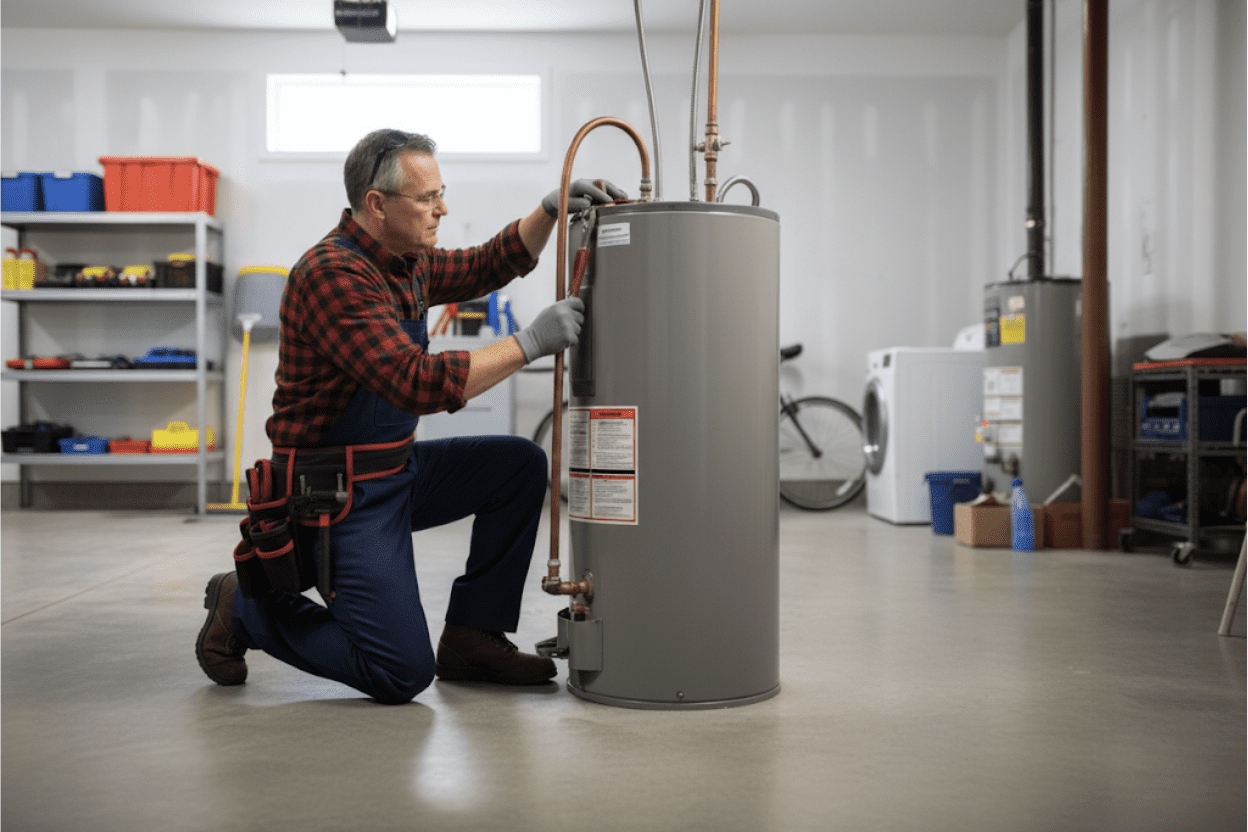
Hot water is one of the most important comforts in any modern home. Whether it is used for bathing, washing dishes, doing laundry, or cleaning, a reliable hot water system plays a vital role in daily routines. Many homeowners rarely think about their water heater until it stops working or begins to show signs of failure. At that point, the importance of proper installation and maintenance becomes clear. Installing a water heater is not just about placing a tank in a corner and connecting a few pipes; it is a technical process that requires planning, correct equipment, and a clear understanding of safety standards.
A properly installed water heater improves energy efficiency, reduces utility costs, and ensures a consistent supply of hot water throughout the home. On the other hand, a poorly installed unit can lead to leaks, pressure problems, high energy consumption, or even safety risks. For this reason, understanding the installation process is valuable for homeowners who want to make informed decisions about their home’s plumbing system. Whether you are replacing an aging system or installing one in a newly built house, learning about the process of a professional water heater install can help ensure long-term reliability and performance.
Understanding the Importance of Proper Water Heater Installation
Installing a water heater may appear simple at first glance, but several technical factors must be considered to ensure safe and efficient operation. The installation process involves plumbing connections, electrical wiring or gas line connections, temperature controls, and safety mechanisms. Each of these elements must be installed correctly in order for the heater to operate safely.
When installation is done properly, the heater performs efficiently and delivers hot water without interruption. Proper installation also protects the equipment from unnecessary wear and tear. Incorrect connections or improper positioning of the heater can shorten its lifespan and increase maintenance costs. Because water heaters operate under pressure and high temperatures, safety is another major concern. A properly completed water heater install ensures that the system meets safety standards and operates without posing risks to the household.
Another reason installation quality matters is energy efficiency. A well-installed water heater heats water faster and maintains temperature more effectively, which helps reduce energy consumption. This leads to lower monthly utility bills and a smaller environmental footprint.
Types of Water Heaters Available for Installation
Before installing a water heater, homeowners should understand the different types available on the market. Each type has unique features, benefits, and installation requirements. Selecting the right model ensures the system meets the household’s hot water needs while maintaining efficiency.
Traditional tank water heaters are among the most common systems used in homes. These units store heated water in an insulated tank and keep it ready for use at all times. Tank heaters typically hold between thirty and eighty gallons of water depending on the size of the household. They are widely used because they are relatively affordable and straightforward to install. However, since they constantly keep water heated, they may consume more energy compared to other systems.
Tankless water heaters are becoming increasingly popular because of their efficiency and compact design. Instead of storing hot water in a tank, these units heat water instantly when a faucet or appliance requires it. This means the system does not waste energy heating water that is not being used. Tankless heaters also provide a continuous supply of hot water, which makes them ideal for larger families or homes with high water usage. However, installing a tankless system may require upgrading electrical systems or gas lines to handle the higher energy demand.
Another option is the heat pump water heater, which works by transferring heat from the surrounding air into the water tank. This method is significantly more energy-efficient than traditional electric heaters. Heat pump models can reduce electricity usage, making them attractive for homeowners who want to lower energy costs. These units do require adequate space and ventilation, so installation planning is essential.
Solar water heaters are also gaining attention due to their environmentally friendly design. These systems use solar collectors to capture sunlight and convert it into heat energy that warms the water stored in a tank. Although the initial installation cost can be higher, solar heaters can provide long-term savings and reduce reliance on traditional energy sources. When considering any of these options, proper planning for a water heater install is crucial to ensure the system functions efficiently.
Preparing the Home for Water Heater Installation
Preparation is an essential step before installing a water heater. Without proper planning, the installation process may encounter delays or complications that increase costs. A careful evaluation of the home’s plumbing, energy supply, and available space ensures the installation goes smoothly.
The first step is determining the household’s hot water demand. A small household may require only a modest tank capacity, while a large family may need a higher capacity system or a tankless heater capable of delivering hot water to multiple outlets simultaneously. Estimating daily water usage helps determine the appropriate heater size.
The energy source available in the home is another critical factor. Water heaters typically operate on electricity, natural gas, propane, or solar energy. The installation process varies depending on the energy source chosen. Electric systems require proper wiring and circuit breakers, while gas heaters require safe gas line connections and ventilation systems to remove combustion gases.
The installation location also requires careful consideration. Water heaters should be placed in areas with sufficient ventilation, proper drainage, and enough clearance for maintenance. The floor must be strong enough to support the weight of a full water tank, which can become quite heavy when filled with water. These preparations help ensure a smooth and successful water heater installation without unexpected complications.
The Step-by-Step Water Heater Installation Process
The installation process begins by shutting off all utilities connected to the existing water heater. This includes turning off the water supply as well as disconnecting electricity or gas lines. These precautions are necessary to prevent accidents during the installation process.
If an old heater is being replaced, it must first be drained completely. A hose is typically attached to the drain valve so that the water inside the tank can be safely emptied. Once the tank is empty, the plumbing connections and power supply lines can be disconnected. The old unit is then carefully removed from its location.
After removing the old heater, the new unit is positioned in the installation area. The heater must be placed on a stable and level surface to ensure proper operation. In many homes, installers place the heater in a drain pan that can capture water in case of leaks, protecting floors and surrounding areas.
Once the heater is positioned correctly, the plumbing connections are installed. The cold water supply line is connected to the inlet valve, while the hot water outlet pipe is connected to the home’s hot water distribution system. Proper sealing of these connections is essential to prevent leaks.
The installation of safety components is another important step. Most water heaters include a temperature and pressure relief valve that prevents excessive pressure buildup inside the tank. This valve must be connected to a discharge pipe that directs water safely away from the heater if the valve activates.
After plumbing connections are complete, the electrical wiring or gas supply is connected. Electric heaters require secure wiring and grounding to prevent electrical hazards. Gas heaters must have properly sealed gas lines and ventilation systems to remove combustion gases safely.
Once all connections are in place, the tank is filled with water before the heating element or burner is activated. Filling the tank first prevents damage to internal components. After the tank is full, the system is powered on and carefully tested. The installer checks for leaks, verifies temperature settings, and ensures the heater is functioning correctly. A properly completed water heater install ensures the system operates safely and efficiently.
Safety Measures That Should Never Be Ignored
Safety plays a major role in water heater installation because these systems operate under high pressure and temperature. Ignoring safety guidelines can lead to equipment damage or serious hazards within the home.
Proper ventilation is essential for gas-powered heaters. These units produce combustion gases that must be vented outside the house to prevent harmful gases from accumulating indoors. Without proper ventilation, dangerous conditions such as carbon monoxide buildup may occur.
Temperature settings should also be carefully controlled. Experts typically recommend setting the thermostat to around 120 degrees Fahrenheit. This temperature provides sufficient hot water while reducing the risk of scalding and conserving energy.
Another important safety component is the pressure relief valve. This device automatically releases pressure if the tank becomes too hot or pressurized. Blocking or removing this valve can create dangerous conditions that may cause the tank to fail.
Electrical safety is equally important for electric water heaters. Proper grounding and circuit protection prevent electrical shocks and reduce the risk of electrical fires. A professionally handled water heater install ensures that all these safety measures are correctly implemented.
Maintaining a Water Heater After Installation
Once a water heater has been installed, regular maintenance is essential to keep it operating efficiently for many years. Many homeowners overlook maintenance until problems arise, but simple routine checks can prevent costly repairs.
One of the most important maintenance tasks is flushing the tank periodically. Over time, minerals and sediment from the water supply settle at the bottom of the tank. This buildup can reduce heating efficiency and shorten the lifespan of the heater. Flushing the tank removes these deposits and improves performance.
Another important component to inspect is the anode rod, which helps prevent corrosion inside the tank. The rod gradually deteriorates over time and should be replaced when necessary to protect the tank from rust.
Checking the pressure relief valve periodically is also recommended to ensure it functions correctly. A malfunctioning valve may fail to release pressure when needed, which could lead to dangerous conditions.
Inspecting plumbing connections and water lines for leaks is another important step in maintaining a newly completed water heater install. Even small leaks should be addressed quickly to prevent water damage and maintain system efficiency.
Conclusion
A dependable hot water system is a fundamental part of comfortable living in any home. From daily hygiene routines to household chores, hot water supports many essential activities. Installing a water heater involves much more than simply connecting pipes and turning on the power. It requires careful planning, proper equipment, and strict adherence to safety standards.
Understanding the types of water heaters available, preparing the home for installation, and following the correct installation steps all contribute to long-term performance and reliability. While some homeowners may consider installing a water heater themselves, professional expertise often ensures better safety, efficiency, and compliance with technical standards.
A properly completed water heater install provides consistent hot water, reduces energy consumption, and extends the lifespan of the equipment. By choosing the right system and maintaining it regularly, homeowners can enjoy dependable hot water for many years while avoiding unnecessary repairs and unexpected failures.
