
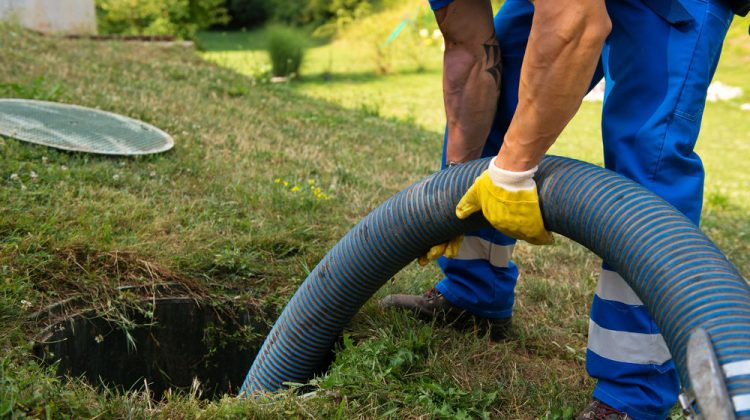
Introduction: The Importance of Sewer Cleaning
A well-maintained sewer system is essential for the health, safety, and functionality of any residential, commercial, or industrial property. Over time, sewer lines can become clogged, corroded, or damaged due to a variety of factors, including the accumulation of grease, debris, hair, tree roots, and mineral deposits. These blockages can lead to unpleasant odors, slow drainage, backups, and even costly property damage.
Sewer cleaning is the professional process of removing obstructions, buildup, and contaminants from sewer lines to restore optimal flow and prevent structural damage. Regular maintenance is critical, as untreated blockages or sewer damage can result in significant repair expenses and health hazards due to the exposure of harmful bacteria and pathogens.
Professional sewer cleaning ensures that wastewater flows efficiently from homes or businesses to municipal or private treatment systems. By employing advanced tools, inspection technology, and cleaning techniques, specialists provide solutions that extend the life of sewer lines, improve sanitation, and reduce the likelihood of emergencies.
Common Causes of Sewer Problems
Understanding the causes of sewer issues helps property owners prevent blockages and damage. One of the most common causes is debris accumulation, including hair, soap scum, food particles, and other household waste that gradually restricts flow. Grease buildup is another significant factor; when poured down drains, it solidifies and adheres to pipe walls, creating persistent clogs over time.
Tree root intrusion can also compromise sewer lines. Roots naturally seek moisture, and older pipes with small cracks or joints are particularly vulnerable. Roots can penetrate and obstruct pipes, causing severe blockages and potential pipe collapse.
Additionally, aging infrastructure can lead to cracked or corroded pipes, which may trap debris and cause leaks or slow drainage. Improperly flushed materials, such as wipes, sanitary products, or chemicals, can further exacerbate these problems.
Regular professional sewer cleaning addresses these issues proactively, minimizing the risk of backups, contamination, and costly repairs.
Methods of Sewer Cleaning
Professional sewer cleaning employs a range of techniques depending on the severity and type of blockage. One of the most common methods is hydro jetting, which uses high-pressure water streams to remove grease, debris, and scale buildup from the interior of pipes. Hydro jetting is highly effective for restoring flow in clogged or partially blocked sewer lines.
Mechanical snaking, also known as rodding, is another technique. A flexible auger or cable is inserted into the pipe to break up blockages and remove obstructions. This method is particularly useful for localized clogs caused by hair, roots, or accumulated debris.
Chemical treatments may be used to address minor clogs or buildup, but these are generally less preferred due to potential environmental impact and the risk of damaging pipes. Professionals carefully select safe and effective chemicals that comply with environmental regulations.
CCTV inspection is a critical component of modern sewer maintenance. By inserting a small camera into the sewer line, specialists can visually identify the location and nature of blockages, cracks, root intrusion, or corrosion. This allows for targeted cleaning and ensures that underlying problems are addressed efficiently.
Benefits of Professional Sewer Cleaning
Hiring a professional for sewer cleaning provides numerous benefits. First, it ensures complete removal of blockages, preventing recurring clogs and maintaining smooth wastewater flow. Professional equipment and expertise allow for thorough cleaning that is difficult to achieve with DIY methods.
Second, professional sewer cleaning enhances hygiene and safety. Clogged or damaged sewer lines can lead to backups, flooding, and exposure to harmful bacteria and pathogens. Cleaning eliminates contaminants and reduces health risks for residents or employees.
Regular cleaning also improves system longevity. By preventing corrosion, buildup, and root intrusion, sewer lines last longer, reducing the need for costly repairs or replacements. This proactive approach saves money in the long term and maintains the integrity of the plumbing system.
Additionally, professional services provide early detection of issues. CCTV inspections and routine maintenance can identify minor cracks, root intrusion, or weak spots before they develop into major problems, allowing timely intervention.
Signs You Need Sewer Cleaning
Recognizing the early signs of sewer issues is essential to prevent extensive damage. Common indicators include slow draining sinks, toilets, or showers, which often signal a partial blockage. Unpleasant or persistent foul odors coming from drains or sewer vents indicate trapped waste or buildup.
Frequent backups or flooding in toilets, drains, or basement areas are a clear sign that sewer lines require immediate attention. Visible pooling water around sewer cleanouts, manholes, or yards may indicate leaks or broken pipes.
Another subtle sign is gurgling sounds in drains, which often indicate air trapped due to blockages. Addressing these warning signs promptly with professional sewer cleaning can prevent more serious and costly problems.
Cost Considerations for Sewer Cleaning
The cost of sewer cleaning varies depending on the length and condition of the sewer lines, type of blockage, and cleaning method used. Hydro jetting and CCTV inspections may cost more initially but offer long-term benefits by thoroughly removing debris and identifying hidden issues. Mechanical snaking is generally less expensive but may not fully resolve severe buildup or root intrusion.
Investing in professional sewer cleaning is often more cost-effective than waiting for an emergency, which can result in expensive repairs, water damage, and property disruption. Many companies offer maintenance plans or periodic cleaning schedules, providing predictable costs and ensuring ongoing system health.
Choosing a Professional Sewer Cleaning Service
Selecting a reputable sewer cleaning service is crucial for ensuring effective, safe, and long-lasting results. Families or property managers should seek companies with licensed, insured, and experienced technicians. Reading customer reviews, requesting references, and evaluating service guarantees are important steps.
A reliable provider will offer comprehensive services, including cleaning, inspection, and maintenance recommendations. Clear communication regarding methods, costs, and expected outcomes ensures transparency and confidence in the service.
Maintenance Tips to Prevent Sewer Issues
While professional cleaning is essential, property owners can take proactive steps to minimize sewer problems. Avoid flushing non-degradable items such as wipes, sanitary products, or excess grease. Regularly clean drains and use strainers to catch hair and debris.
Inspect plumbing and surrounding areas periodically for signs of leaks, slow drainage, or odors. For properties with large trees, monitor root growth near sewer lines and consider preventive root barrier installation. Routine professional inspections and cleaning at recommended intervals help maintain sewer functionality and prevent emergencies.
Conclusion
Sewer cleaning is a critical component of maintaining a safe, efficient, and hygienic plumbing system. Professional services remove blockages, prevent structural damage, and ensure that wastewater flows smoothly, protecting both property and health.
By understanding the causes of sewer problems, recognizing warning signs, and investing in professional cleaning and inspections, property owners can prevent costly repairs, extend the lifespan of their sewer lines, and maintain a safe, functional environment. Regular sewer maintenance not only enhances hygiene but also provides peace of mind, knowing that the system operates efficiently and reliably.
