When you get a quote for CNC machining, the price can change a lot from one job to the next. You might see one part cost $50 and a similar-looking one cost $500. That is because many things affect the final number. This article explains the main factors that influence CNC machining quotes in a clear way. You will learn what drives the cost so you can make smarter choices for your projects.
What Is CNC Machining?
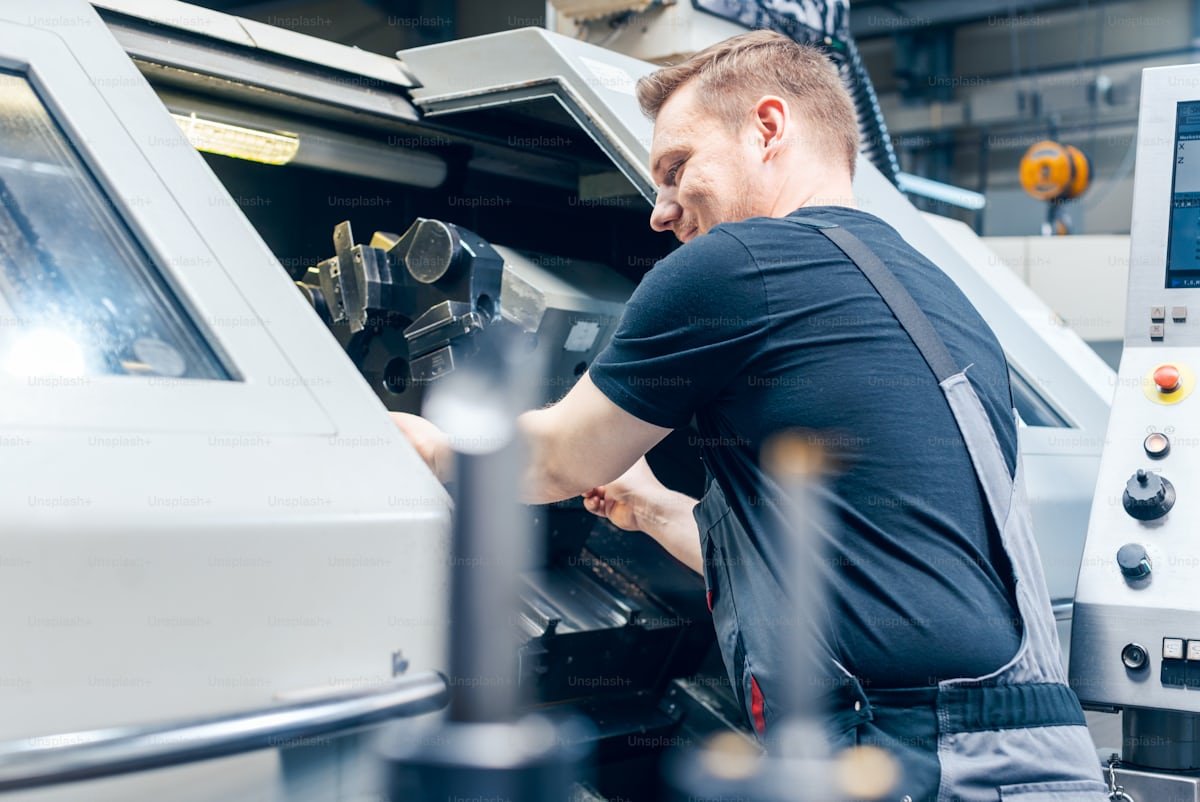
CNC machining uses computer-controlled machines to cut material into precise parts. The machines follow a program to remove material from a block of metal or plastic. Common types include milling, turning, and drilling. People use CNC machining for prototypes, custom parts, and small to medium production runs in industries like aerospace, automotive, medical, and electronics.
The process starts with a digital design file, usually in CAD format. Engineers turn that into toolpaths with CAM software. Then the machine runs, cutting away material until the part matches the design exactly.
Why Quotes Vary So Much
Every quote comes from a mix of fixed and variable costs. Fixed costs happen once per job, like setup and programming. Variable costs grow with each part, like material and machine time. When you order more parts, the fixed costs spread out, so the price per part drops. Small changes in design or material can push the quote up or down fast.
Material Selection
The material you choose is often the biggest factor in the quote. Different materials cost different amounts to buy, and some are harder to machine.
Metals like aluminum are common and cheap. They machine quickly and tools last longer. Stainless steel costs more and takes longer to cut because it is harder. Titanium is even pricier and needs special tools to avoid wear. Plastics like ABS or nylon are usually the lowest cost, but some engineering plastics add expense.
Material availability matters too. If you pick something rare, suppliers charge more for it. Market prices for raw stock also change over time. Always check if a cheaper material can meet your needs without losing strength or other properties.
Part Complexity and Design Features
How complicated your part is has a huge effect on the price. Simple shapes with basic cuts cost less. Complex parts drive up costs in several ways.
First, more features mean more tool changes and longer machine time. Deep pockets, thin walls, or tight corners need slower speeds to avoid breaking tools. Second, intricate designs require more programming time. Engineers spend hours creating safe toolpaths.
Features like undercuts, threads, or holes on multiple sides often need extra setups or multi-axis machines. A 3-axis mill handles basic work cheaply. A 5-axis machine does complex shapes in one setup but costs more per hour. Tight tolerances, like plus or minus 0.001 inches, add time for careful machining and extra checks.
To keep quotes lower, simplify the design where possible. Avoid unnecessary tight tolerances. Use standard sizes for holes and threads.
Machining Time and Machine Type
Machine runtime directly affects the quote. The longer the machine runs, the more it costs. Shops charge by the hour, so anything that extends time raises the price.
Setup time is part of this too. Workers load the material, install tools, and zero the machine. For one part, setup can take as long as the actual cutting. For many parts, setup is done once, so it becomes a smaller part of the total.
The type of machine matters. Basic 3-axis machines run cheaper. Advanced 5-axis or Swiss lathes cost more because they need skilled operators and cost more to run and maintain.
Quantity and Production Volume
How many parts you order changes the quote a lot. For one prototype, you pay full setup and programming costs on that single piece. The per-part price is high.
For 100 or 1,000 parts, the setup cost spreads across all pieces. The price per part drops fast. Larger runs also let shops optimize toolpaths and use faster feeds.
Very large orders might get discounts, but CNC machining shines for low to medium volumes. For high volumes, other methods like injection molding become cheaper.
Tolerances and Surface Finish Requirements
Tight tolerances mean more precise work. The machine moves slower, tools wear faster, and operators check more often. All that adds cost.
The same goes for surface finish. A rough as-machined finish is cheap. A smooth Ra 0.8 or polished surface needs extra passes or post-processing like bead blasting or anodizing. Each step adds time and money.
Specify only the tolerances you really need. Use looser ones on non-critical features. Ask for as-machined finish unless appearance or function demands better.
Post-Processing and Additional Services
Many parts need extra work after machining. Anodizing, powder coating, heat treating, or plating add cost. Deburring removes sharp edges. Assembly or packaging can increase the quote too.
These services are optional but common. Factor them in early so the quote includes everything.
Location and Shop Overhead
Where the shop is located affects the price. Shops in high-cost areas charge more for labor and overhead. Overseas shops often quote lower prices due to lower wages.
Lead time also plays a role. Rush jobs cost extra because they push other work aside.
Quality and Certification Needs
If your part needs special certifications like ISO, AS9100, or material traceability, the shop does more paperwork and inspections. That raises the quote.
For aerospace or medical parts, extra quality checks add cost.
How to Get Better Quotes
To lower your CNC machining quote, start with a good design. Use design for manufacturability rules. Choose easy-to-machine materials. Order in batches if possible. Provide clear drawings with only necessary tolerances.
Get quotes from several shops. Compare them. Some offer online CNC machining services that make quoting fast and easy.
Final Thoughts
CNC machining quotes come down to material, complexity, time, quantity, tolerances, and extras. Understanding these factors helps you control costs. Talk to your machinist early about your design. Small changes can save a lot without hurting quality.
By focusing on what really matters for your part, you get accurate quotes and better value. Plan ahead, simplify where you can, and choose the right partner for the job. That way, your next CNC project stays on budget and on time.
