
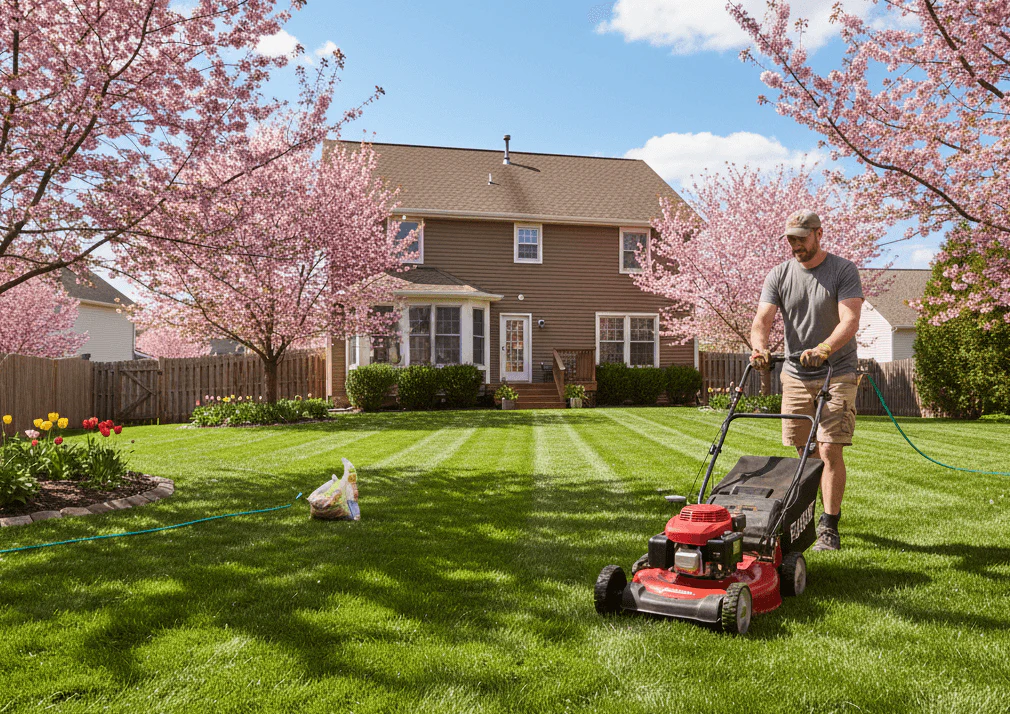
A well-maintained lawn is one of the most noticeable features of a beautiful home. It not only enhances the aesthetic appeal of a property but also provides a relaxing outdoor space for family and friends. Proper lawn care involves much more than just mowing the grass. It is a combination of routine maintenance, soil management, pest control, fertilization, and watering practices that collectively ensure a healthy, lush, and vibrant yard. Understanding the fundamental aspects of lawn care can help homeowners achieve a thriving lawn while preventing common issues like weeds, pests, and uneven growth. This comprehensive guide provides insight into every aspect of lawn care, from selecting the right grass type to seasonal maintenance tips, sustainable practices, and troubleshooting common problems, helping homeowners create and maintain a lawn they can be proud of.
Understanding the Importance of Lawn Care
Maintaining a healthy lawn goes beyond appearances. A well-cared-for lawn contributes to environmental and personal benefits. Grass and plants play a significant role in improving air quality by absorbing carbon dioxide and releasing oxygen, which helps combat air pollution. A thick and healthy lawn also helps in reducing soil erosion, controlling dust, and absorbing rainwater, which reduces runoff and promotes groundwater replenishment. Furthermore, properly managed grass provides a comfortable and safe area for outdoor activities, including sports, gatherings, or simply relaxing in a natural setting. Without consistent lawn care, grass can become sparse, weeds may overtake the yard, and pests or diseases can cause long-term damage, which can result in costly and time-consuming repairs. Investing time and effort into lawn care ensures both environmental benefits and a visually appealing yard.
Planning Your Lawn Care Routine
Effective lawn care starts with a well-thought-out maintenance plan. The frequency and type of maintenance depend on the grass variety, climate, and soil conditions. Homeowners should first identify the type of grass in their yard, as different varieties have unique needs regarding water, sunlight, and mowing height. Cool-season grasses like fescue and Kentucky bluegrass thrive in temperate climates and require regular watering and fertilization during spring and fall. Warm-season grasses such as Bermuda or zoysia are better suited for hot climates and often require specialized mowing and watering practices during summer months. Once the grass type is identified, homeowners should schedule regular maintenance tasks, including mowing, watering, fertilizing, aeration, and pest management, to ensure a consistently healthy lawn. A proactive approach to lawn care can prevent problems before they develop and keep the yard looking lush and vibrant throughout the year.
Essential Lawn Care Practices
Mowing
Proper mowing is a fundamental aspect of lawn care. Grass should be cut at the recommended height for its variety, as cutting too short can stress the grass, making it more susceptible to disease and weed growth. Homeowners should aim to remove no more than one-third of the grass blade in a single mowing session. Consistent mowing encourages uniform growth, reduces thatch buildup, and promotes strong root systems. Using sharp mower blades is essential, as dull blades tear the grass rather than cut it cleanly, resulting in brown tips and increased vulnerability to pests and diseases. Adjusting mowing frequency according to the growth rate of the grass ensures that the lawn remains healthy and aesthetically pleasing.
Watering
Watering is a critical component of lawn care and must be done thoughtfully to avoid overwatering or underwatering. Grass typically requires about one to one and a half inches of water per week, which can come from rainfall or supplemental irrigation. Deep and infrequent watering encourages deep root growth, making the lawn more resilient to drought and temperature fluctuations. Early morning watering is recommended because it allows the grass to dry during the day, reducing the risk of fungal diseases. Proper watering practices also help conserve water and reduce unnecessary utility costs while ensuring that the lawn remains vibrant and green.
Fertilization
Fertilizing the lawn provides essential nutrients that promote healthy growth and improve the soil quality. A well-balanced fertilizer containing nitrogen, phosphorus, and potassium is often recommended for most grass types. Fertilizer should be applied according to the specific needs of the grass and soil, which can be determined through a soil test. Over-fertilizing can harm the grass and contribute to environmental pollution, while under-fertilizing may result in weak growth and pale-colored grass. Proper fertilization is a key step in effective lawn care because it strengthens the grass, enhances its color, and increases its resistance to disease and pests.
Aeration
Aeration involves creating small holes in the soil to improve air, water, and nutrient penetration to the roots. Lawns that experience heavy foot traffic or compacted soil benefit greatly from regular aeration, as compacted soil restricts root growth and water absorption. Aerating the lawn annually or biannually promotes stronger roots, encourages thick grass growth, and reduces the risk of soil erosion. When combined with fertilization, aeration ensures that nutrients reach the root system more effectively, contributing to a healthier and more resilient lawn.
Weed and Pest Management
Weeds and pests can quickly take over an unmaintained lawn if left unchecked. Effective lawn care includes monitoring for invasive plants and controlling them using safe and targeted methods. Pre-emergent herbicides can prevent weed seeds from germinating, while post-emergent herbicides are useful for eliminating existing weeds. Proper mowing, watering, and fertilization practices can also reduce the prevalence of weeds. Pests such as grubs, insects, and rodents can damage grass roots, causing uneven growth and bare spots. Regular inspection and timely treatment with appropriate pest control methods are crucial for maintaining a healthy lawn and preventing long-term damage.
Seasonal Lawn Care
Lawn care practices should adjust with the changing seasons to address the specific needs of the grass and soil. In spring, homeowners should focus on cleaning debris, aerating the soil, applying fertilizer, and overseeding to repair winter damage. Summer requires careful watering, mowing, and monitoring for pests or diseases. Fall is an ideal time for aeration, fertilization, and preparing the lawn for winter dormancy. Winter lawn care involves minimizing foot traffic on frozen grass, clearing debris, and monitoring for snow mold or fungal growth. Following a seasonal maintenance plan ensures that the lawn remains healthy and resilient year-round, allowing homeowners to enjoy a green and thriving yard throughout all seasons.
Soil Health and Improvement
The foundation of effective lawn care lies in maintaining healthy soil. Soil testing can reveal nutrient deficiencies, pH imbalances, and compaction issues that affect grass growth. Amending the soil with organic matter such as compost improves fertility, water retention, and microbial activity. Proper soil management enhances the effectiveness of watering, fertilization, and aeration efforts, ensuring that grass receives the nutrients and conditions it needs to flourish. Homeowners who prioritize soil health create a strong foundation for long-lasting lawn success.
Sustainable Lawn Care Practices
Modern lawn care emphasizes sustainability and environmentally friendly practices. Reducing the use of chemical fertilizers and pesticides, implementing efficient irrigation systems, and planting drought-tolerant grass varieties help conserve resources while promoting a healthy ecosystem. Grass clippings can be left on the lawn after mowing to return nutrients to the soil naturally. Mulching around garden beds and planting native plants also supports local wildlife and reduces water consumption. Sustainable lawn care practices benefit the environment, reduce maintenance costs, and contribute to a healthier and more resilient yard.
Common Lawn Care Mistakes to Avoid
Homeowners often make mistakes that hinder the health and appearance of their lawn. Overwatering can lead to shallow roots and fungal growth, while under-watering stresses the grass and slows growth. Mowing too short or irregularly can damage the grass and encourage weed growth. Neglecting fertilization, soil testing, and pest control can lead to long-term damage that is difficult to repair. By following best practices, monitoring the lawn regularly, and addressing problems promptly, homeowners can avoid these common pitfalls and achieve a thriving and beautiful lawn.
Conclusion
A healthy and vibrant lawn requires consistent effort, knowledge, and attention to detail. From proper mowing, watering, and fertilization to soil management, pest control, and seasonal adjustments, effective lawn care involves multiple interconnected practices that collectively ensure the grass remains lush, strong, and visually appealing. Incorporating sustainable methods not only supports the environment but also reduces long-term maintenance costs and improves the resilience of the yard. Whether a homeowner is looking to enhance curb appeal, create an inviting outdoor space, or protect the long-term health of the lawn, following a comprehensive lawn care routine is essential for achieving these goals. With dedication and proper techniques, anyone can enjoy a beautiful, thriving lawn that provides comfort, beauty, and environmental benefits for years to come, making lawn care one of the most rewarding aspects of homeownership.
