
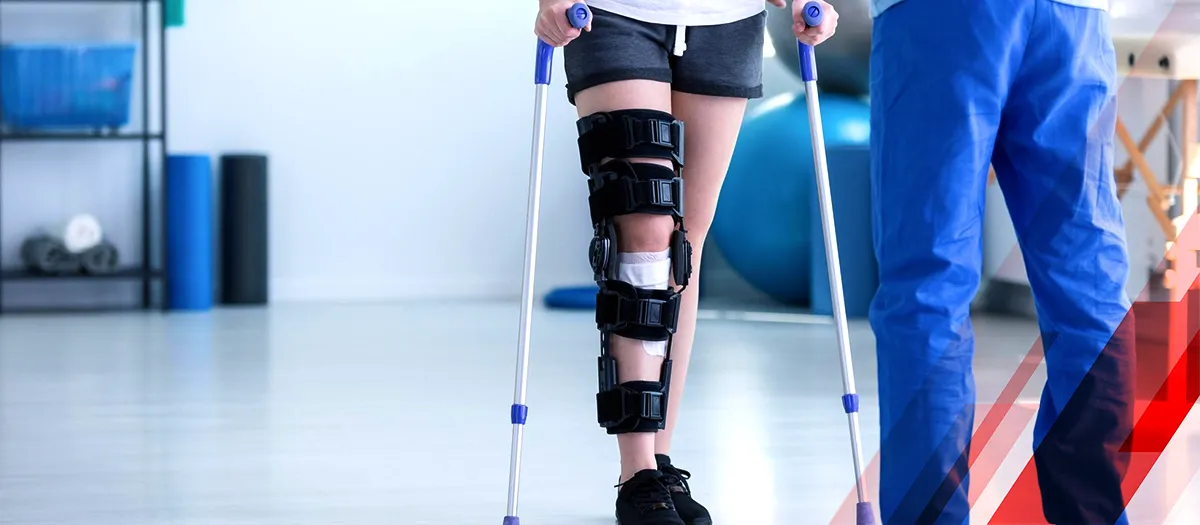
The integration of digital health tools into musculoskeletal care has shifted injury management from reactive clinical visits to continuous, data-informed monitoring. Wearable sensors now quantify joint loading patterns and tissue stress in real time, while algorithm-driven platforms adjust exercise protocols based on biomechanical feedback and pain metrics.
This technological convergence raises essential questions about clinical validation, equitable access, and whether remote monitoring can truly replicate the diagnostic precision of hands-on physical examination.
How Technology Is Changing Injury Prevention and Recovery
How has the integration of digital tools transformed the landscape of musculoskeletal care? Wearable sensors now provide real-time biomechanical data, identifying movement patterns that predispose individuals to anterior cruciate ligament tears, rotator cuff impingement, and stress fractures before clinical symptoms manifest. Machine learning algorithms analyze gait mechanics, joint loading, and muscle activation sequences with precision impossible through visual observation alone.
Telerehabilitation platforms enable physical therapists to monitor exercise compliance and technique remotely, reducing barriers to consistent therapeutic intervention. Motion capture systems quantify the range of motion deficits and compensatory strategies during functional tasks. Mobile applications deliver evidence-based exercise protocols with video demonstrations, ensuring proper form during home programs. These technologies facilitate early detection of injury risk factors and provide objective metrics for tracking rehabilitation progress, ultimately optimizing clinical outcomes.
Telehealth Platforms That Connect You With Specialists Remotely
Multiple specialized platforms now bridge geographical gaps between patients and musculoskelial specialists, addressing critical access disparities in orthopedic and rehabilitation care. Physical therapists conduct movement assessments through video consultations, analyzing gait patterns, range of motion, and compensatory mechanisms using screen-based observation tools. Sports medicine physicians review imaging studies remotely, providing diagnostic interpretations and treatment recommendations without requiring in-person visits.
These platforms integrate secure messaging systems for ongoing communication about symptom progression and treatment responses. Patients in rural areas gain access to subspecialists including hand therapists, vestibular rehabilitation experts, and sports injury consultants that is only previously available in metropolitan centers.
Digital platforms document treatment protocols, exercise progressions, and therapeutic outcomes within centralized electronic health records. Insurance coverage for telehealth musculoskeletal services has expanded extensively, reducing financial barriers to specialist consultation for injury management. Scheduling software for PT is the norm in 2026
Virtual Physical Therapy Sessions From Your Living Room
Through synchronous video sessions, licensed physical therapists guide patients in executing therapeutic exercises while observing movement quality, compensatory patterns, and adherence to proper biomechanics in real time. High-definition cameras enable detailed assessment of joint alignment, muscle activation sequences, and range of motion limitations that would otherwise require in-person evaluation. Therapists modify exercise progression immediately based on patient performance, pain responses, and fatigue levels.
This delivery model eliminates transportation barriers for individuals with mobility impairments, chronic pain conditions, or geographic isolation from specialized rehabilitation facilities. Digital platforms often integrate outcome measurement tools, tracking functional improvements through standardized assessments. Research demonstrates comparable efficacy between virtual and traditional physical therapy for specific musculoskeletal conditions, particularly when patients possess adequate technology access and baseline functional independence for safe home-based exercise participation.
Wearable Devices That Track Load, Range of Motion, and Pain
Biomechanical sensors embedded in compression garments, adhesive patches, and smartwatch devices now quantify movement patterns with clinical-grade precision previously available only in laboratory settings. Accelerometers and gyroscopes measure joint angles, velocity, and asymmetries during functional tasks, alerting users when compensatory movement strategies emerge. Load-monitoring technology tracks cumulative training volume, identifying when tissue capacity thresholds approach dangerous levels before microtrauma accumulates into structural injury.
Digital pain diaries integrated with wearable platforms correlate symptom intensity with specific activities, sleep quality, and stress markers. This data enables clinicians to identify aggravating factors and modify rehabilitation protocols accordingly. Range-of-motion sensors provide objective measurements during home exercise programs, replacing subjective patient estimates with accurate goniometric readings. Real-time biofeedback guides proper form execution, preventing technique errors that compromise healing tissues while accelerating neuromuscular re-education through immediate performance correction.
Movement Analysis Apps That Predict Injury Risk
Computer vision algorithms combined with smartphone cameras now detect biomechanical deficiencies that predispose athletes to musculoskeletal injury without requiring expensive motion capture laboratories. Applications analyze jump landing mechanics, identifying excessive knee valgus angles associated with anterior cruciate ligament tears. Gait analysis features quantify asymmetries in stride length, ground contact time, and pelvic drop that predict stress fractures and patellofemoral pain syndrome.
Overhead motion assessment evaluates scapular dyskinesis and glenohumeral internal rotation deficit in throwing athletes at risk for labral pathology. Machine learning models integrate kinematic data with training load metrics to calculate individualized injury probability scores. Clinicians receive automated alerts when movement patterns deviate from established normative ranges, enabling preemptive intervention through targeted neuromuscular training protocols that address specific biomechanical deficits before tissue damage occurs.
At-Home Rehab Programs That Supplement Clinical Care
Digital rehabilitation platforms now enable patients to perform evidence-based therapeutic exercises at home while maintaining clinical oversight through integrated monitoring systems. These applications provide video demonstrations, real-time form correction using smartphone cameras, and automated progress tracking that clinicians review during follow-up appointments. Patients receive customized exercise protocols targeting specific musculoskeletal deficits, with difficulty progressions adjusted based on performance metrics and pain levels. It can even suggest how often you need to tape your knee per day.
Remote monitoring capabilities allow therapists to identify compensatory movement patterns before they become habitual, reducing re-injury risk. Research indicates that supplemental home programs increase total rehabilitation volume without additional clinic visits, accelerating recovery timelines for conditions including anterior cruciate ligament reconstruction, rotator cuff repair, and chronic low back pain. The platforms also incorporate educational content explaining anatomical healing processes, enhancing patient compliance through improved understanding.
Treatment Plans That Adapt Based on Your Recovery Data
Modern rehabilitation protocols now incorporate machine learning algorithms that continuously analyze patient performance data to modify treatment parameters in real-time. These systems track range of motion, force production, compensatory movement patterns, and pain responses across treatment sessions. When data reveals plateau periods or regression, algorithms automatically adjust exercise intensity, volume, or modality selection.
Wearable sensors capture biomechanical data during home exercises, transmitting information to clinicians who can remotely modify protocols before maladaptive patterns develop. This dynamic approach prevents the common pitfall of rigid, time-based progressions that ignore individual recovery trajectories.
Evidence demonstrates that adaptive treatment plans reduce recovery time by 23-31% compared to static protocols. The technology enables personalized progression rates based on tissue healing markers, functional capacity improvements, and neuromotor control restoration rather than arbitrary timelines.
Early Warning Alerts That Catch Problems Before They Worsen
Advanced monitoring systems now detect subtle deviations in movement patterns, loading parameters, and physiological responses that precede clinical symptom escalation. Wearable sensors identify compensatory gait mechanics, asymmetrical weight distribution, and altered joint kinematics before pain intensifies or tissue damage progresses. Machine learning algorithms analyze baseline data to establish individualized thresholds, triggering alerts when metrics exceed safe ranges.
These proactive notifications enable timely intervention adjustments, preventing minor setbacks from becoming major complications. Clinicians receive real-time data regarding inflammation markers, range-of-motion restrictions, and compliance patterns, facilitating immediate protocol modifications. Patients gain awareness of biomechanical faults during functional activities, promoting self-correction and protective behaviors.
Integration with telehealth platforms guarantees rapid clinical consultation when concerning trends emerge, reducing emergency visits and unplanned treatment interruptions while optimizing rehabilitation trajectories through responsive, data-informed care strategies.
What These Technologies Cost and Who Can Access Them
Financial barriers markedly limit widespread adoption of sophisticated monitoring technologies, with wearable sensor systems ranging from $200 for consumer-grade accelerometers to $15,000 for clinical-grade motion capture equipment. Insurance coverage remains inconsistent, as many providers classify these devices as experimental rather than standard-of-care interventions. Geographic disparities compound accessibility challenges, with remote rehabilitation platforms requiring reliable internet connectivity and digital literacy that rural populations often lack.
Socioeconomic factors create additional stratification, as subscription-based monitoring services cost $30-150 monthly beyond initial hardware investments. Academic medical centers and professional athletic organizations primarily utilize expansive systems, while community clinics typically offer limited sensor-based assessments. Emerging telemedicine reimbursement policies may expand access, though regulatory frameworks vary substantially across jurisdictions and payer networks.
Conclusion
Modern injury prevention and rehabilitation technologies function like a precision compass guiding recovery, using real-time biomechanical data, remote monitoring, and adaptive protocols to optimize musculoskeletal outcomes. Evidence demonstrates that wearable sensors, movement analysis algorithms, and telehealth platforms enhance treatment personalization while reducing barriers to specialized care. However, cost considerations and regulatory frameworks remain significant access determinants. As these data-driven modalities mature, they offer patients measurable improvements in recovery trajectories, injury risk stratification, and long-term functional restoration when integrated appropriately into evidence-based clinical pathways.
