
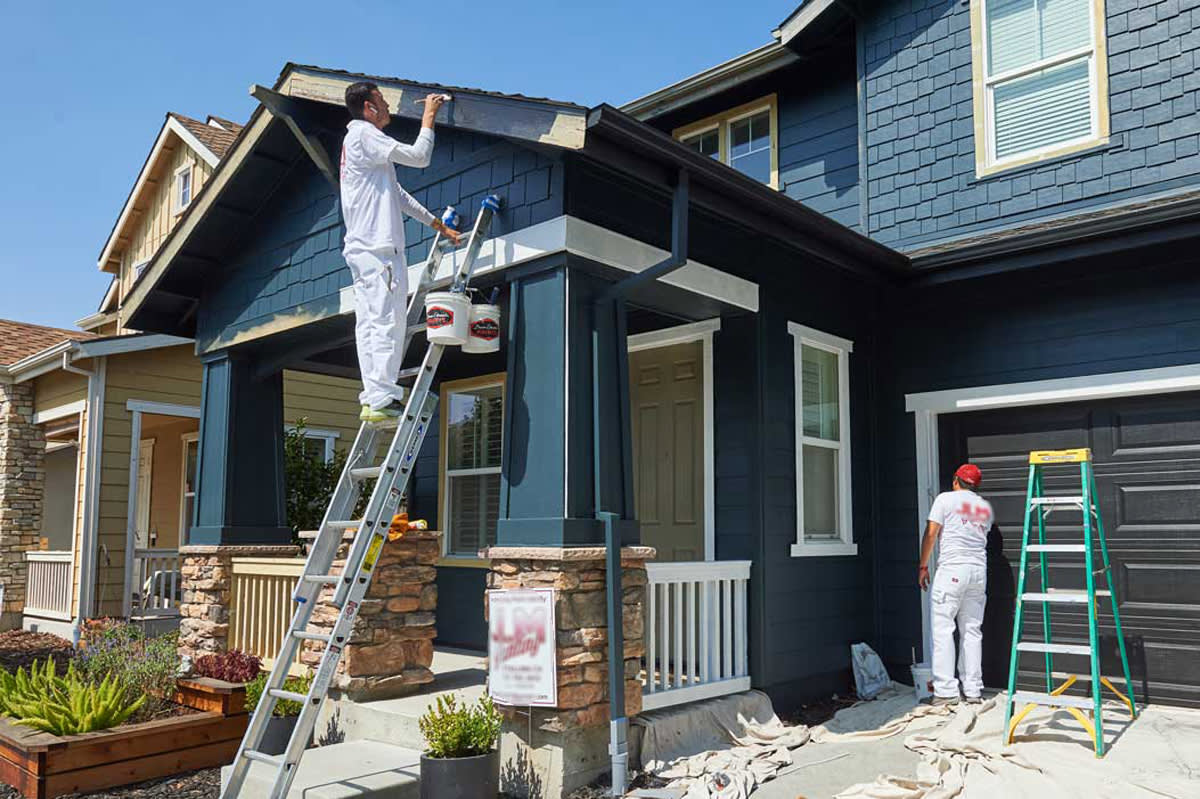
Exterior house painting is more than just a cosmetic upgrade; it is a vital home improvement project that enhances curb appeal, protects structural surfaces, and increases property value. The exterior of a house is constantly exposed to environmental stressors such as sun, rain, wind, and temperature fluctuations, which can cause paint to deteriorate over time. Regular painting and maintenance not only refresh the look of a home but also prevent long-term damage to siding, trim, and structural elements. Choosing the right painting techniques, materials, and colors ensures a durable finish that maintains aesthetic appeal while safeguarding the home’s exterior.
A professionally executed exterior painting project transforms the overall appearance of a house, giving it a fresh, clean, and updated look. Whether homeowners seek a bold modern statement or a classic and subtle finish, exterior painting provides flexibility in style and design. Beyond aesthetics, exterior painting serves a functional purpose, acting as a protective barrier against moisture, pests, and environmental wear. High-quality paint and proper surface preparation extend the life of the exterior materials, reducing the need for costly repairs and replacements over time.
The Importance of Exterior House Painting
Exterior house painting is an essential component of home maintenance, offering both protective and visual benefits. Paint acts as a barrier that prevents moisture infiltration, reducing the risk of wood rot, mold, and mildew. Siding, stucco, and trim that are not adequately painted or maintained are more susceptible to decay and deterioration. By applying a fresh coat of paint, homeowners reinforce the structural integrity of their homes while enhancing curb appeal.
In addition to protection, exterior painting contributes significantly to property value. Homes with well-maintained exteriors are more attractive to potential buyers, and a fresh paint job can provide one of the highest returns on investment for home improvement projects. Beyond real estate considerations, a painted exterior improves the overall aesthetics and livability of a home, creating a welcoming impression and improving the enjoyment of outdoor spaces.
Preparing for Exterior House Painting
Proper preparation is the foundation of a successful exterior painting project. Preparation ensures that the paint adheres correctly, provides long-lasting coverage, and delivers a uniform finish.
Surface Cleaning and Repair
The first step in exterior painting involves cleaning the surface to remove dirt, grime, mildew, and old peeling paint. Power washing is commonly used for large surfaces, while scrubbing and sanding may be necessary for stubborn areas. Any cracks, holes, or damaged sections must be repaired prior to painting to prevent future deterioration and ensure a smooth, professional finish.
Surface Priming
Priming is a critical step that promotes paint adhesion and provides a uniform base for color application. Exterior primers seal porous surfaces, cover stains, and prevent tannin or rust bleed-through. Primers are selected based on the type of surface being painted, whether wood, stucco, metal, or composite materials, to maximize durability and finish quality.
Choosing the Right Paint
Selecting the appropriate paint is essential for longevity and appearance. High-quality exterior paints are formulated to withstand sun exposure, temperature changes, moisture, and mildew. Acrylic latex paints are commonly recommended due to their flexibility, resistance to cracking, and ease of application. Paint finishes vary from matte to satin and gloss, with choices impacting durability, appearance, and maintenance requirements.
Color Selection
Color selection plays a key role in exterior aesthetics and can dramatically alter a home’s appearance. Lighter colors reflect heat and may be suitable for warm climates, while darker shades create depth and contrast. Complementary trim and accent colors enhance architectural details, while cohesive color palettes maintain harmony with the surrounding environment and neighborhood.
Steps Involved in Exterior House Painting
A professional exterior house painting project follows a structured process to ensure quality, consistency, and durability.
Inspection and Assessment
Before painting, a thorough inspection identifies areas of damage, moisture issues, or structural problems. Addressing these concerns before painting prevents future issues and ensures a smooth, uniform finish.
Surface Preparation
Surface preparation includes sanding, scraping, patching, caulking gaps, and priming as necessary. Proper preparation ensures paint adhesion and prolongs the lifespan of the coating. Neglecting this step often leads to premature peeling, cracking, or fading.
Paint Application
Painting is typically done using brushes, rollers, or sprayers, depending on the surface type and project scale. Professionals apply multiple coats as needed to achieve full coverage, even color, and a durable finish. Attention to detail, particularly around trim, edges, and architectural features, ensures a clean, professional appearance.
Drying and Curing
Adequate drying and curing time is essential to achieve a long-lasting finish. Environmental conditions such as temperature and humidity influence drying time, and proper curing enhances the paint’s durability and resistance to weathering.
Final Inspection
After painting is complete, a final inspection ensures that all areas are properly coated, imperfections are addressed, and the finished surface meets quality standards. Clean-up, removal of protective coverings, and touch-ups are completed to finalize the project.
Benefits of Professional Exterior House Painting
Investing in professional exterior house painting offers multiple advantages beyond simple aesthetics.
Long-Term Protection
High-quality paint serves as a protective barrier against moisture, UV damage, pests, and general wear and tear. This protection preserves siding, trim, and structural elements, reducing long-term maintenance costs and prolonging the life of the exterior.
Enhanced Curb Appeal
A fresh, well-executed paint job significantly enhances curb appeal, creating a positive first impression for guests, neighbors, and potential buyers. Exterior painting can modernize a home, highlight architectural features, and elevate overall appearance.
Increased Property Value
Homes with well-maintained exteriors and updated paint are more marketable and can command higher resale value. Exterior painting is considered one of the most cost-effective home improvement projects in terms of return on investment.
Energy Efficiency
Certain paint types, such as reflective or lighter-colored coatings, can help reduce heat absorption, contributing to improved energy efficiency in warm climates. Proper exterior painting, in combination with insulation, enhances comfort and reduces utility costs.
Professional Finish and Durability
Professional painters have the skills, tools, and experience to apply paint efficiently and evenly, avoiding common DIY mistakes such as streaks, drips, or uneven coverage. A professionally painted exterior is more durable and requires less frequent maintenance.
Maintenance and Longevity of Exterior Paint
Maintaining a painted exterior ensures that it continues to protect and beautify the home over time. Regular cleaning, inspection, and minor touch-ups prevent deterioration, mildew growth, and fading. Power washing the exterior annually, trimming vegetation away from painted surfaces, and promptly addressing any cracks or peeling paint are essential maintenance practices. With high-quality paint and consistent upkeep, exterior paint can last for a decade or more before requiring a full repaint.
Common Challenges in Exterior House Painting
Exterior house painting presents certain challenges that require expertise and planning. Weather conditions, including rain, humidity, and extreme temperatures, can affect paint adhesion and drying. Surface damage such as rot, cracks, or mildew must be addressed prior to painting to prevent failure. Architectural features, intricate trim, and high elevations also require skill and equipment to ensure complete and safe coverage. Professional painters mitigate these challenges by using the right materials, techniques, and safety measures to achieve a lasting finish.
Eco-Friendly and Sustainable Exterior Painting
Sustainability has become an important consideration in exterior house painting. Many high-quality paints are now formulated with low VOC (volatile organic compounds) content, reducing environmental impact and improving air quality. Choosing eco-friendly paints, responsibly sourced materials, and sustainable practices contributes to healthier living spaces and environmental stewardship. Proper disposal of paint and cleaning materials is also an integral part of sustainable exterior painting projects.
Conclusion
Exterior house painting is a transformative home improvement project that combines aesthetic appeal, protection, and long-term value. By investing in high-quality materials, professional application, and proper maintenance, homeowners can ensure that their property remains attractive, durable, and protected from environmental damage. A fresh coat of paint enhances curb appeal, increases property value, and creates a welcoming appearance, while also safeguarding siding, trim, and structural components from moisture, pests, and UV exposure.
From surface preparation to final inspection, each step of exterior house painting is critical to achieving a long-lasting and visually appealing finish. With thoughtful planning, professional execution, and regular maintenance, exterior painting provides both immediate visual enhancement and enduring protection, making it one of the most valuable and practical investments in home improvement.
