
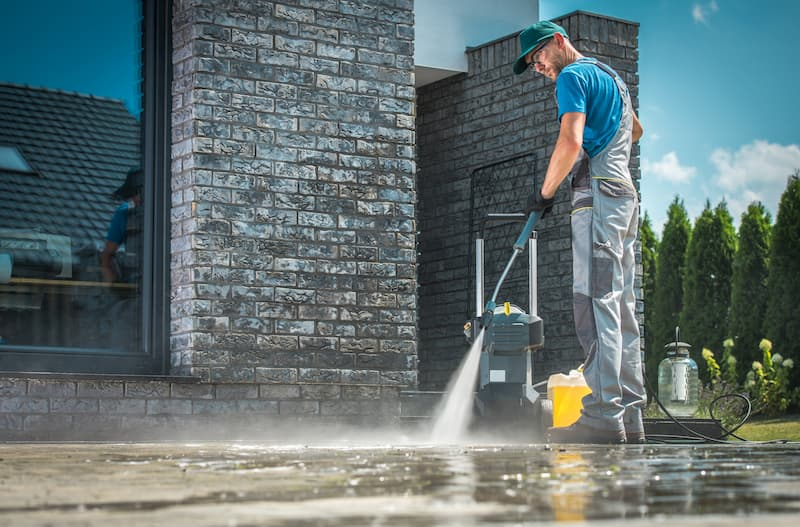
Maintaining the cleanliness and longevity of a property requires more than routine sweeping or scrubbing. Outdoor surfaces such as driveways, sidewalks, decks, patios, building exteriors, and fences are constantly exposed to dirt, mold, mildew, algae, and environmental debris. Pressure washing provides an effective and efficient solution to restore surfaces, improve curb appeal, and prevent long-term damage. By utilizing high-pressure water streams, pressure washing removes stubborn contaminants that traditional cleaning methods often cannot address, leaving surfaces clean, safe, and refreshed.
Both residential and commercial property owners benefit from professional pressure washing services. Over time, accumulated grime and biological growth not only detract from appearance but can also cause deterioration of materials. Regular pressure washing helps protect investments, ensures safety, and enhances overall property value. With advances in technology and cleaning techniques, pressure washing has become a reliable, cost-effective method for maintaining property aesthetics and structural integrity.
Understanding Pressure Washing
Pressure washing is a cleaning technique that uses a high-pressure water spray to remove dirt, mold, mildew, algae, paint, and other contaminants from surfaces. The pressure of the water is significantly higher than that of standard hoses, allowing it to dislodge debris and deeply clean surfaces efficiently.
Pressure washers come in various types, including electric and gas-powered units, each offering different levels of pressure suitable for specific tasks. Gas-powered washers generally provide higher pressure and are ideal for heavy-duty cleaning projects, while electric models are suitable for lighter residential tasks. Choosing the appropriate pressure level and nozzle type ensures effective cleaning without causing damage to the surface.
Benefits of Pressure Washing
The advantages of pressure washing extend beyond aesthetics, impacting property safety, maintenance, and value.
Improved Curb Appeal
A clean property makes a positive impression on visitors, clients, and potential buyers. Pressure washing removes stains, algae, dirt, and discoloration, instantly revitalizing driveways, patios, sidewalks, and building exteriors. For homeowners preparing to sell, professional pressure washing can significantly enhance the property’s visual appeal and marketability.
Prevention of Surface Damage
Mold, mildew, algae, and accumulated grime can deteriorate surfaces over time. Wood decks, concrete driveways, brick facades, and siding materials are particularly vulnerable. Pressure washing removes harmful substances before they penetrate and weaken the material, extending the lifespan of the property and reducing maintenance costs.
Health and Safety Benefits
Mold, mildew, and algae can create slippery surfaces that pose risks for accidents, especially in high-traffic areas such as sidewalks, patios, and pool decks. Pressure washing eliminates these hazards, making outdoor spaces safer for family, employees, and customers. Additionally, removing mold and mildew improves air quality and reduces potential allergens, contributing to healthier living and working environments.
Preparation for Renovation or Painting
Before painting or refinishing surfaces, it is essential to remove old paint, dirt, and contaminants. Pressure washing provides a clean, smooth surface that improves adhesion and ensures a professional, long-lasting finish. This is particularly important for decks, fences, exterior walls, and garage floors.
Common Applications of Pressure Washing
Pressure washing is versatile and can be applied to a wide range of surfaces and projects.
Residential Pressure Washing
Homeowners use pressure washing to clean driveways, sidewalks, patios, decks, fences, roofs, gutters, and siding. It is particularly effective in removing algae, mold, mildew, dirt, and stains that accumulate over time. Regular residential pressure washing enhances curb appeal, protects structural materials, and maintains a healthy environment.
Commercial Pressure Washing
Businesses benefit from pressure washing services for storefronts, parking lots, sidewalks, outdoor seating areas, and building exteriors. Clean commercial properties attract customers, comply with local health standards, and create a professional appearance. For industrial facilities, pressure washing helps maintain machinery, concrete floors, and equipment in optimal condition.
Specialty Applications
Pressure washing can also be used for graffiti removal, heavy equipment cleaning, and outdoor furniture restoration. Specialized techniques, including hot water pressure washing and chemical-assisted cleaning, address particularly stubborn stains or biohazard materials.
Choosing the Right Pressure Washing Service
Selecting a professional pressure washing service ensures safety, efficiency, and optimal results. Experienced technicians understand the correct pressure levels, cleaning solutions, and techniques for various surfaces. Overly high pressure can damage wood, paint, or siding, while insufficient pressure may fail to remove contaminants effectively.
Licensed and insured companies also follow environmental guidelines for wastewater management, preventing contamination of nearby plants, storm drains, and water systems. A reputable service will provide a clear quote, explain the process, and guarantee satisfaction.
Cost Considerations
The cost of pressure washing varies based on property size, surface type, level of contamination, and geographic location. Residential services are typically charged by square footage or project scope, while commercial projects may have customized pricing based on complexity and frequency.
Additional factors influencing cost include the type of pressure washer used, whether hot water or chemical agents are necessary, and accessibility of the surface. Although upfront costs may vary, the long-term benefits protection of property, extended surface lifespan, and improved appearance justify the investment.
Maintenance and Frequency
Regular pressure washing prevents the accumulation of dirt, algae, and mold. For most residential properties, annual pressure washing is recommended, with more frequent cleaning for high-traffic areas or regions with heavy rainfall and humidity. Commercial properties may require quarterly or monthly cleaning to maintain compliance, safety, and professional appearance.
In addition to pressure washing, proper surface maintenance such as sealing concrete or staining wood decks enhances longevity and effectiveness. Routine inspections help identify areas that require immediate cleaning or repair.
Environmental and Safety Considerations
Modern pressure washing practices emphasize environmental responsibility. Professionals use biodegradable detergents, proper wastewater management, and controlled runoff to minimize ecological impact. Safety precautions, such as protective gear, secure work zones, and careful handling of high-pressure equipment, prevent accidents and injuries.
Conclusion
Pressure washing is an essential service for maintaining clean, safe, and visually appealing properties. From residential driveways and decks to commercial storefronts and industrial equipment, pressure washing removes dirt, mold, mildew, algae, and other stubborn contaminants efficiently and effectively.
The benefits of pressure washing extend beyond aesthetics, including surface protection, safety enhancement, energy efficiency, and preparation for renovations. Professional services ensure optimal results, reduce risks, and provide environmentally responsible cleaning. Regular pressure washing preserves property value, enhances curb appeal, and promotes a safe, healthy environment for residents, employees, and visitors alike.
Investing in professional pressure washing is not merely a cosmetic upgrade; it is a proactive approach to property maintenance, long-term preservation, and overall improvement of the spaces you live and work in.
