
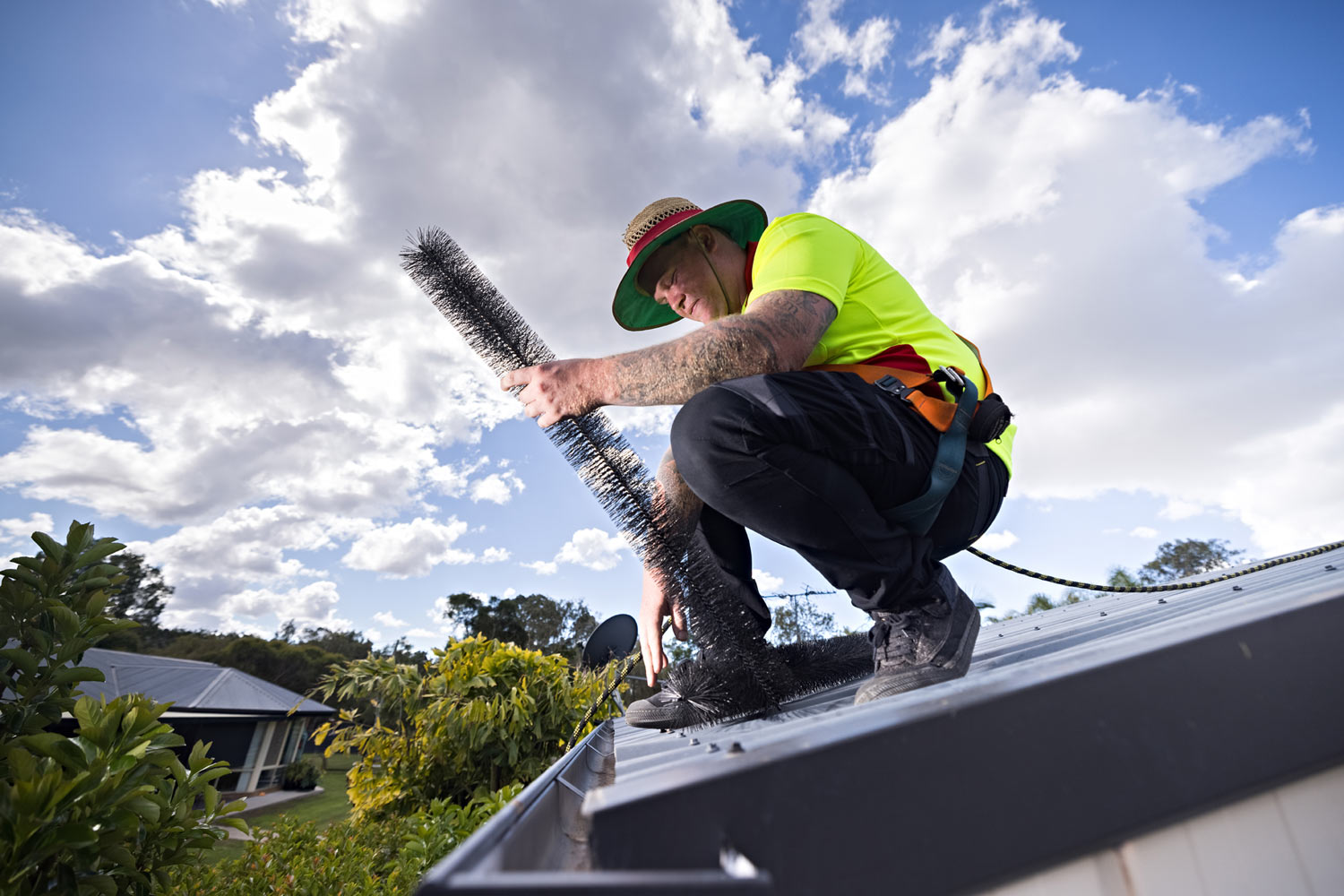
Gutters are an essential component of any building, channeling rainwater away from the roof and foundation to prevent structural damage, erosion, and water infiltration. However, gutters can easily become clogged with leaves, twigs, and other debris, leading to overflow, water damage, and costly repairs. This is where gutter guards play a vital role in protecting your property. By preventing debris from entering the gutter system, gutter guards ensure that water flows smoothly, reduce maintenance needs, and extend the lifespan of the gutter system. Installing gutter guards is a proactive solution for homeowners who want to protect their investment, improve drainage efficiency, and minimize ongoing maintenance tasks.
Gutter guards are designed to cover the opening of gutters while allowing rainwater to pass through into the gutter system. There are several types of gutter guards, including mesh screens, solid covers, reverse curve designs, and foam inserts, each with its own benefits and installation requirements. Selecting the right type of gutter guard depends on the building’s design, roof pitch, and the amount of debris typically encountered in the area. Properly installed gutter guards prevent clogs, reduce the risk of water overflow, and protect the fascia boards and foundation from damage caused by overflowing water. They are an investment in the long-term durability and effectiveness of your gutter system.
The Importance of Installing Gutter Guards
Installing gutter guards provides numerous benefits, primarily by reducing the risk of water damage to a property. Without guards, clogged gutters can lead to water spilling over the edges, which may damage siding, foundations, and landscaping. Standing water in clogged gutters can also promote mold and mildew growth, which can compromise both the exterior and interior of a building. By preventing debris from entering gutters, gutter guards ensure consistent water flow, protecting the property’s structural integrity and reducing the need for costly repairs.
Gutter guards also save time and effort associated with routine gutter cleaning. Regular maintenance of gutters without guards can be labor-intensive and potentially dangerous, as it often involves climbing ladders and handling sharp debris. By reducing the accumulation of leaves and other debris, gutter guards minimize the frequency of gutter cleaning and make maintenance safer and more manageable. Furthermore, gutter guards can help prevent ice dams in colder climates by allowing water to flow freely, reducing the risk of ice accumulation along the roof edge that can damage shingles and gutters.
Types of Gutter Guards and Their Advantages
There are several types of gutter guards available, each designed to address specific challenges and preferences. Mesh screens are among the most popular types, consisting of a fine metal or plastic mesh that blocks leaves and large debris while allowing water to pass through. Mesh guards are effective for areas with moderate debris and are relatively easy to install. Solid covers or top covers provide a barrier that directs water into the gutter while keeping debris out, often requiring professional installation. Reverse curve guards use a curved surface to divert water into the gutter while deflecting leaves and debris over the edge, making them highly effective in areas with heavy foliage. Foam guards are inserted directly into the gutter channel to filter out debris while allowing water to flow through; they are cost-effective and suitable for smaller homes or areas with minimal debris.
Each type of gutter guard has its advantages, and choosing the right one depends on factors such as the type of roof, climate, and amount of surrounding vegetation. Professional assessment can help determine the most suitable gutter guard system, ensuring optimal protection and longevity of the gutter system.
How Gutter Guards Improve Home Protection
Gutter guards play a critical role in preventing water-related damage to a property. Clogged gutters can lead to overflowing water that damages siding, foundation walls, and landscaping. This water intrusion can cause wood rot, weaken the structural integrity of the building, and create conditions conducive to mold and mildew growth. By keeping gutters clear of debris, gutter guards ensure consistent water flow and reduce the risk of water pooling near the foundation or seeping into the interior spaces.
In addition to protecting the structure, gutter guards also prevent damage to the roof. When gutters are clogged, water can back up under the roof shingles, leading to leaks, rot, and premature deterioration of roofing materials. Gutter guards help maintain proper drainage, preserving the roof’s lifespan and reducing the need for expensive roof repairs or replacements. Moreover, by preventing clogs, gutter guards reduce the likelihood of pests, such as mosquitoes, rodents, or birds, nesting in standing water within the gutters.
Maintenance Benefits of Gutter Guards
One of the primary advantages of gutter guards is the significant reduction in maintenance requirements. Traditional gutters without guards often require frequent cleaning, especially during the fall season when leaves accumulate rapidly. Cleaning gutters is not only time-consuming but also poses safety risks due to the need to climb ladders and navigate the roofline. With gutter guards in place, debris is largely prevented from entering the gutters, meaning fewer cleanings and safer maintenance routines.
Additionally, gutter guards reduce the likelihood of blockages in downspouts, ensuring that rainwater is efficiently directed away from the building. Efficient drainage prevents water from backing up into the gutters and reduces the risk of leaks, foundation damage, and landscape erosion. Over time, this decreased maintenance burden saves both labor costs and potential repair expenses, making gutter guards a cost-effective investment for long-term property protection.
Installation Considerations for Gutter Guards
Proper installation of gutter guards is crucial to ensure their effectiveness. Guards must be fitted securely to the gutter system and positioned correctly to allow water to flow while preventing debris from entering. In some cases, professional installation is recommended, particularly for complex roof designs, high-pitched roofs, or when using heavy-duty or specialized gutter guard systems. Professional installation ensures that the guards are properly aligned, firmly attached, and capable of withstanding extreme weather conditions such as heavy rain, wind, or snow.
When considering gutter guard installation, it is also important to evaluate the type of roof and the surrounding environment. Homes surrounded by large trees with substantial leaf fall may require more robust gutter guard systems, whereas areas with minimal debris may be well-served by simple mesh or foam guards. Selecting the appropriate system and ensuring correct installation maximizes the efficiency of the gutter system and the protective benefits of the guards.
Long-Term Benefits of Gutter Guards
Investing in gutter guards offers substantial long-term benefits. By preventing debris accumulation, guards help maintain the functionality of gutters, protect the foundation, reduce water damage risks, and extend the lifespan of the roof and gutter system. The reduced maintenance requirements save homeowners time and effort while minimizing the potential for accidents associated with cleaning gutters.
Additionally, the improved water flow provided by gutter guards supports landscaping by preventing erosion and protecting soil and plants from damage caused by uncontrolled water runoff. Gutter guards also enhance the overall durability and performance of the gutter system, ensuring that it functions efficiently during storms and heavy rainfall. Over time, this proactive approach can reduce repair costs, improve home safety, and maintain the property’s value.
Conclusion
Gutter guards are a highly effective solution for protecting properties from water damage, reducing maintenance, and prolonging the life of gutter systems and roofs. By preventing debris from entering gutters, these systems ensure proper drainage, prevent clogs, and reduce the risk of water overflow that can damage foundations, siding, and landscaping. Various types of gutter guards, including mesh screens, solid covers, reverse curve designs, and foam inserts, cater to different needs and property types, allowing homeowners to select the best system for their situation.
The installation of gutter guards represents a long-term investment in property protection, minimizing maintenance requirements, improving drainage efficiency, and reducing the likelihood of costly repairs. Homeowners who prioritize the installation of gutter guards ensure that their properties remain safe, functional, and aesthetically well-maintained. Ultimately, gutter guards provide peace of mind, ensuring that water is effectively managed and that the structural integrity of the home is preserved for years to come.
