
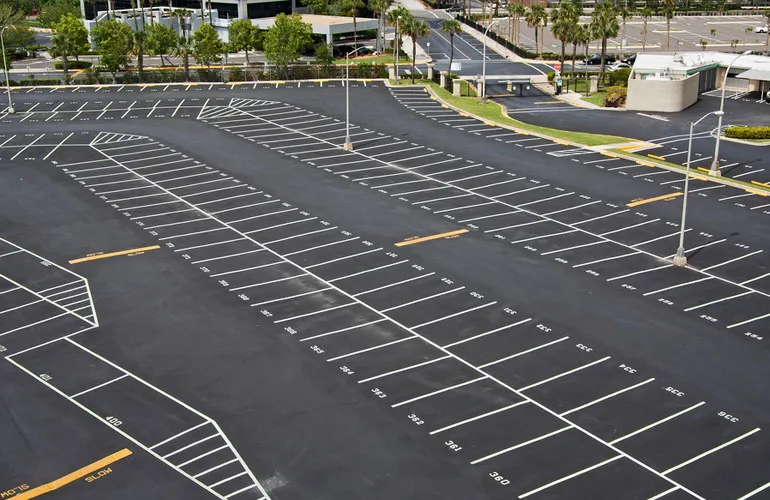
A well organized parking area is essential for maintaining safety, maximizing space efficiency, and creating a professional first impression. Parking lot striping plays a vital role in guiding vehicles, protecting pedestrians, and ensuring compliance with safety regulations. Without clear and visible markings, parking areas can quickly become chaotic, increasing the risk of accidents, traffic congestion, and liability concerns.
Property owners and managers must understand the importance of parking lot striping, the process involved, and the long term benefits it provides. Whether for retail centers, office buildings, residential communities, or industrial facilities, properly marked parking areas improve functionality and enhance the overall appearance of the property.
What Is Parking Lot Striping
Parking lot striping refers to the application of durable traffic marking paint to asphalt or concrete surfaces to create clearly defined parking spaces, directional arrows, pedestrian crosswalks, loading zones, fire lanes, and other essential markings. These lines and symbols help drivers navigate safely and efficiently while ensuring that parking layouts are optimized for maximum capacity.
The process involves surface preparation, precise measurement, professional application, and inspection to ensure accuracy and durability. High quality materials and proper techniques are necessary to withstand heavy traffic, changing weather conditions, and environmental exposure.
Importance of Clear Parking Lot Striping
Clear and visible striping significantly enhances safety. Drivers rely on clearly marked spaces and directional arrows to park properly and navigate traffic flow. When lines fade or become unclear, confusion can lead to accidents, improper parking, and blocked access routes.
Pedestrian safety is another major concern. Clearly marked crosswalks and designated walkways protect individuals moving between vehicles and buildings. Fire lanes and emergency access areas must be visibly marked to ensure they remain unobstructed during emergencies.
Beyond safety, parking lot striping improves the professional image of a property. A freshly striped parking area conveys attention to detail and commitment to maintenance, which positively influences visitors, customers, and tenants.
Benefits of Professional Parking Lot Striping
Hiring professionals for parking lot striping offers numerous advantages. Experienced contractors use specialized equipment to ensure straight lines, consistent spacing, and accurate measurements. This precision maximizes available parking space and ensures compliance with accessibility and safety standards.
Professional striping enhances durability. High quality traffic paints are designed to resist fading, peeling, and wear from constant vehicle traffic. Proper surface preparation ensures strong adhesion and long lasting results.
Another benefit is regulatory compliance. Accessible parking spaces, loading zones, and fire lanes must meet specific guidelines. Professional contractors understand these requirements and ensure that the striping meets all applicable standards, reducing the risk of fines or legal issues.
The Parking Lot Striping Process
The parking lot striping process begins with an assessment of the surface condition. Contractors inspect for cracks, potholes, and debris that may interfere with paint adhesion. Necessary repairs are completed before striping begins to ensure a smooth and durable finish.
Surface cleaning is a critical step. Dirt, oil stains, and loose debris are removed through sweeping or pressure washing. Clean surfaces allow paint to bond effectively with the pavement.
Next, layout planning and measurement are conducted. Professionals use chalk lines, measuring tools, and layout diagrams to ensure accuracy and compliance with design standards. The placement of parking stalls, directional arrows, and accessible spaces is carefully calculated to optimize traffic flow.
Striping machines are then used to apply paint evenly and precisely. Multiple coats may be applied depending on traffic volume and environmental conditions. Once completed, the paint is allowed to dry before reopening the area to vehicles.
Types of Materials Used in Parking Lot Striping
Different materials are available for parking lot striping, depending on the property’s needs and environmental conditions. Water based traffic paints are widely used due to their quick drying time and environmental friendliness. These paints provide excellent visibility and are suitable for standard traffic conditions.
Solvent based paints offer enhanced durability and resistance to harsh weather. Thermoplastic striping is another option for high traffic areas. This material is heated and bonded to the pavement, creating a long lasting and highly reflective finish.
Reflective glass beads can be added to improve nighttime visibility. This feature enhances safety by ensuring markings remain visible in low light or adverse weather conditions.
When to Restrip a Parking Lot
Over time, exposure to sunlight, rain, snow, and heavy traffic causes striping to fade. Regular inspections help determine when restriping is necessary. Signs that parking lot striping needs attention include faded lines, chipped paint, reduced nighttime visibility, and driver confusion.
Restriping restores clarity and provides an opportunity to update the layout or add new markings. Property managers often schedule restriping annually or as needed to maintain safety and compliance. Timely maintenance prevents confusion and reduces liability risks.
Enhancing Accessibility and Compliance
Accessibility compliance is a crucial aspect of parking lot striping. Designated accessible spaces must include proper dimensions, access aisles, and clear signage. Ensuring compliance not only meets legal requirements but also demonstrates commitment to inclusivity and community responsibility.
Fire lanes, no parking zones, and loading areas must also be clearly marked. These markings ensure emergency vehicles have unobstructed access and that traffic flows smoothly throughout the property. Professional striping ensures that all necessary markings are accurately placed and easily visible.
Cost Factors in Parking Lot Striping
The cost of parking lot striping depends on several factors, including lot size, number of parking spaces, complexity of layout, type of paint used, and surface condition. Larger lots with intricate designs require more materials and labor, increasing overall costs.
Surface repairs and cleaning may add to the expense, but they are essential for ensuring durability. Investing in high quality materials and professional application reduces long term costs by extending the lifespan of the striping.
Obtaining detailed quotes and understanding the scope of work helps property owners plan budgets effectively and avoid unexpected expenses.
Choosing the Right Contractor
Selecting a qualified contractor is essential for successful parking lot striping. Property owners should verify licensing, insurance, and experience. Reviewing previous projects and customer testimonials provides insight into reliability and workmanship quality.
Experienced contractors use advanced equipment and follow industry best practices to deliver precise and durable results. Clear communication regarding timelines, materials, and expectations ensures a smooth and efficient process.
Professional striping contractors also understand compliance requirements and can recommend layout improvements that enhance safety and space utilization.
Long Term Value of Parking Lot Striping
Parking lot striping offers significant long term value. Clear markings reduce accidents, improve traffic flow, and enhance pedestrian safety. Organized parking areas maximize available space and improve overall functionality.
Well maintained striping contributes to property value and creates a positive first impression. Regular maintenance and timely restriping protect the investment and extend the lifespan of the pavement.
As property needs evolve, updated striping ensures continued efficiency and compliance. Investing in professional services ensures that parking areas remain safe, organized, and visually appealing for years to come.
Conclusion
Parking lot striping is an essential component of property maintenance that enhances safety, organization, and professionalism. Clear and durable markings guide drivers, protect pedestrians, and ensure compliance with accessibility and safety standards.
By investing in professional parking lot striping services, property owners reduce liability risks, improve traffic flow, and create a welcoming environment for visitors and tenants. Careful planning, high quality materials, and skilled application ensure long lasting results that withstand heavy traffic and changing weather conditions.
A properly striped parking lot reflects attention to detail and commitment to safety, making it a critical investment for any commercial or residential property.
